


States question fairness of proposed 50% increase in LS seats after delimitation
A uniform 50% increase in Lok Sabha seats may preserve state-wise ratios but leave smaller and southern states at a disadvantage in absolute numbers
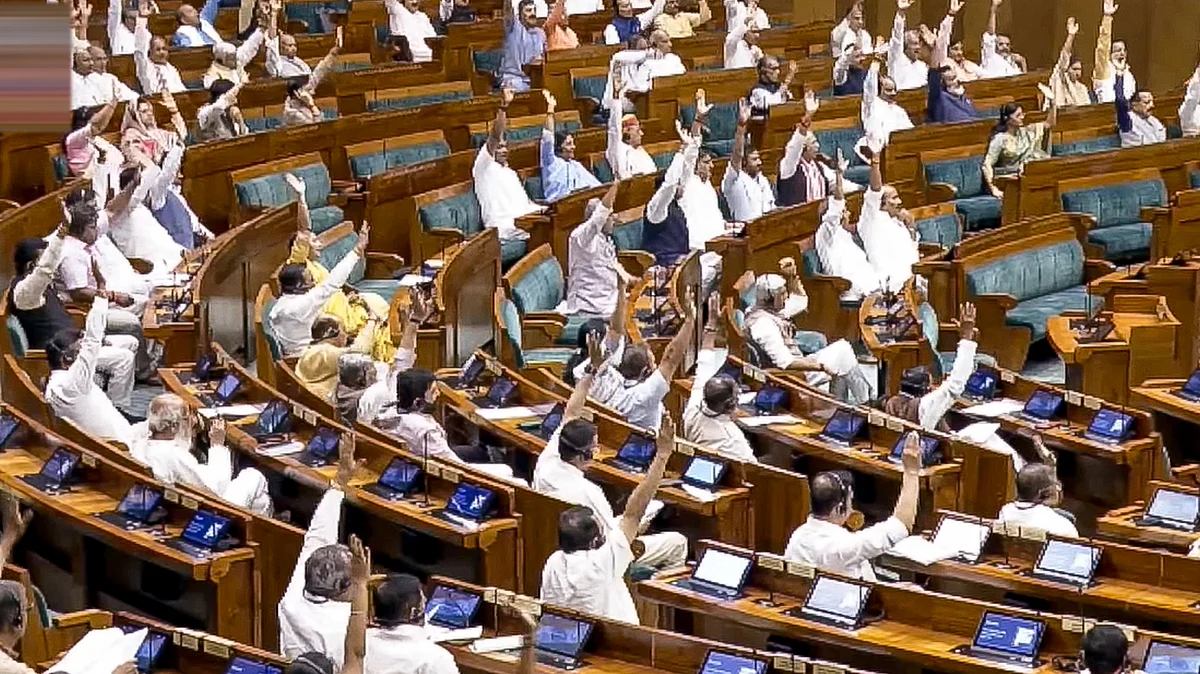


Political parties like the DMK, NCP and TDP seem satisfied with the provision in the Delimitation Bill to keep the states’ share of seats the same till 2051
Since the share of seats and the relative percentage of share will not change, they suggest, they will be better off voting for the Delimitation Bill
State leaders and MPs, however, have called the bluff to show why the southern states and the smaller states will still lose influence and comparative representation in the Lok Sabha
While the southern states today (29 November) elect 129 MPs to the Lok Sabha, 10 Hindi-speaking states in the North elect 225 MPs. A uniform 50 per cent increase in seats for each state will push the seats of the southern states to 195 after delimitation while seats of the Hindi-speaking states will increase to 340. The existing gap of 96 seats (225 minus 129) will actually increase to 145 (340 minus 195). Instead of 96 more MPs from the northern states currently, there will be 145 more MPs in the Lok Sabha than the southern states after delimitation.
MPs from the South and smaller states are questioning the formula. From where has the idea of a 50 per cent increase in seats come? Why not 45 per cent or less? Is this an arbitrary number or is it a number that suits the ruling party? If northern states gain more seats in relation to the South and the smaller states, how will it play out in Parliament, in the constitution of parliamentary committees, the time allocated to MPs and the relative political influence they exercise?
“Prime Minister Narendra Modi must explain why Karnataka and other southern States should be made to pay a political price for successfully implementing population stabilisation policies,” tweeted MP Naseer Hussain.
“The proposed 50 per cent expansion of the Lok Sabha takes Karnataka from 28 to 42 seats, while Uttar Pradesh moves from 80 to 120. The gap between the two states widens from 52 to 78 seats. A uniform increase does nothing to address this growing imbalance. Karnataka has every right to demand equal political weight in the Indian Union. Southern India's economic contributions and development achievements cannot be rewarded with a diminished voice in Parliament,” he added.
Voices from Tamil Nadu too have been making similar points. “TN has 39 Lok Sabha seats. UP has 80. Increase both by 50 per cent. TN gets approximately 59. UP gets 120. TN gains 20 seats. UP gains 40, twice as many.” Delimitation of constituencies will make the imbalance worse and allow the BJP and allies to expand in TN and other southern states. TN’s parliamentary voice risks getting diluted while northern states gain greater political weight,” pointed out several on social media.
Similar points have been made by Gaurav Gogoi from Assam. The Congress MP tweeted to say, “Currently Assam - 14 MPs UP - 80 MPs; Difference - 66 MPs After delimitation Assam - 21 MPs but UP - 120 seats and the difference grows to 99 MPs. This difference will have an impact on discussions, committees and other parliamentary proceedings. The same holds true for southern states as well. Where did the number of 50 per cent increase come from?”
Congress president in Odisha Bhakta Charan Das concurred. Das also took to Twitter to point out, “Today: Odisha: 21 MPs | UP: 80 MPs Gap: 59 MPs. After delimitation: Odisha: 31 MPs | UP: 120 MPs Gap: 89 MPs. The gap widens by 30 MPs. That translates into a greater disparity in parliamentary strength, influence over debates and voting power.”