


Trinamool holds edge in Bengal phase two as BJP seeks stronger showing
Ruling party dominates key districts while Matua voter concerns add new dimension to contest
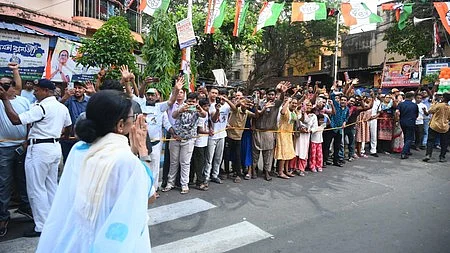


The second phase of West Bengal’s Assembly elections is shaping up as a challenging contest for the Bharatiya Janata Party (BJP), with the ruling All India Trinamool Congress (TMC) holding a clear advantage across most of the constituencies going to polls on 29 April.
A total of 142 seats spread across seven districts will vote in this phase, many of which have historically favoured the TMC. This presents a stark contrast to the first phase, where the BJP had entered relatively favourable territory, having performed strongly in the 2021 Assembly elections.
In districts such as Nadia, which has 17 Assembly segments, the BJP’s performance has been uneven. While it managed to retain pockets of influence — including the Ranaghat Lok Sabha seat — the TMC continues to dominate large sections, including areas represented in Parliament by Mahua Moitra.
The picture is even more challenging for the BJP in North and South 24 Parganas. The TMC swept the majority of Assembly segments in these districts in 2021 and maintained its dominance in the 2024 Lok Sabha elections, despite isolated BJP victories in constituencies such as Bongaon and Barrackpore.
South 24 Parganas, in particular, remains a stronghold of the ruling party, which secured nearly all Assembly seats in the previous election cycle. Similarly, in Kolkata and adjoining districts like Howrah and Hooghly, the TMC has consolidated its position, leaving the BJP with limited gains in earlier contests.
In Purba Bardhaman, the TMC achieved a clean sweep in the 2021 Assembly elections and carried that momentum into the parliamentary polls, further underlining its organisational strength in the region.
Also Read: It's Mamata versus the rest in West Bengal
However, the electoral landscape has been influenced by subsequent by-elections, where the TMC regained some ground from the BJP in seats such as Santipur and Ranaghat Dakshin.
A key factor in phase two is the Matua community vote, particularly in North 24 Parganas. The community, with roots in the Namasudra reform movement led by Harichand Thakur, represents a significant electoral bloc in the state.
Recent revisions to electoral rolls have triggered controversy, with over 1.2 million names reportedly removed across phases. Constituencies in the Bongaon subdivision — considered Matua strongholds — have been especially affected, leading to allegations of disenfranchisement among voters.
The issue has sparked a political tussle, with the TMC accusing the BJP of failing to deliver on promises of citizenship under the Citizenship Amendment Act, while BJP leaders have urged affected voters to pursue legal remedies.
The Matua vote remains crucial, as both parties attempt to consolidate support among marginalised communities whose concerns over citizenship and representation continue to influence electoral outcomes.
With the TMC maintaining a strong base across key districts and the BJP striving to improve on its previous performance, the second phase is expected to play a decisive role in shaping the broader electoral narrative in West Bengal.
With IANS inputs
Join our official telegram channel (@nationalherald) and stay updated with the latest headlines