


Umar Khalid feels 'isolated' after nearly six years in jail without trial
In interview with The Guardian, jailed activist says society's silence has emboldened government, reflects on personal cost of incarceration
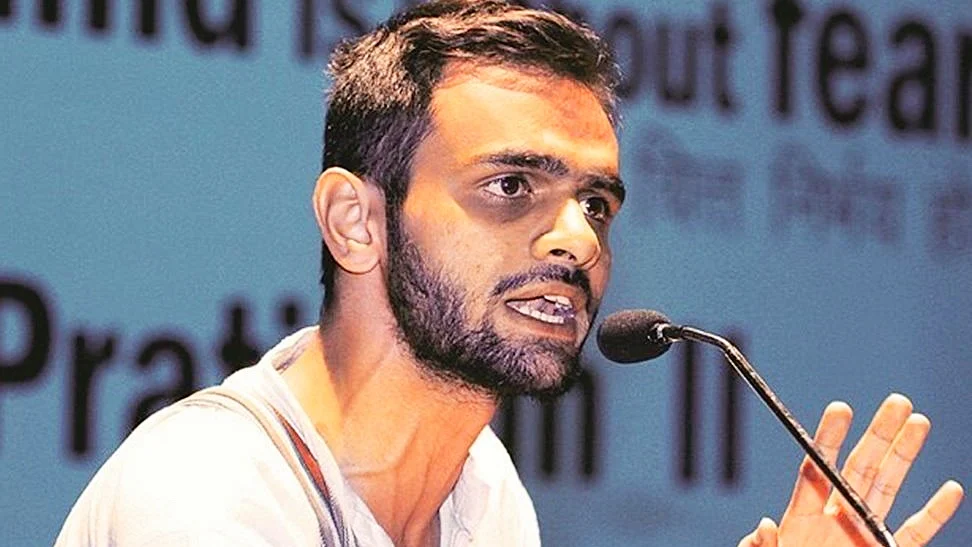


Jailed activist Umar Khalid has said he feels "isolated" after spending nearly six years in prison without trial, criticising what he described as the silence of Opposition parties and civil society, while reiterating that he considers himself a political prisoner.
In an interview published by The Guardian on 30 June, Khalid said he was disappointed that more political leaders and public figures had not spoken out over his continued incarceration.
"Six years down the line, I must say that I am really disappointed and even feel isolated," Khalid told the British newspaper. He said the silence of Opposition parties, civil society groups and prominent activists had, in his view, emboldened the government.
Khalid, a former student leader, was arrested in September 2020 under the stringent Unlawful Activities (Prevention) Act (UAPA) in connection with the alleged larger conspiracy behind the 2020 Delhi riots. He has denied all allegations against him and remains in judicial custody. His bail pleas have been rejected on multiple occasions, and the trial has yet to begin.
The interview is among Khalid's most extensive public comments since his arrest. According to The Guardian, the discussion did not address the merits of the criminal case but instead focused on his experience in prison, the personal impact of prolonged incarceration and his views on the political climate in India.
Khalid said prison had fundamentally changed his outlook, describing the struggle to retain one's humanity while being incarcerated for years without trial. Reflecting on his time in jail, he told the newspaper that he had come to realise "humanity is a privilege", saying prolonged imprisonment had reduced him, in the eyes of many, to an image rather than a person.
He also expressed concern about what he described as the normalisation of hate speech and misinformation, arguing that India was increasingly becoming a "post-truth society". Khalid alleged that dissenting voices were being targeted and said Muslims continued to face growing marginalisation.
The Guardian noted that rights organisations have long cited Khalid's case as an example of what they describe as the use of anti-terror laws against activists and critics of the government.
The BJP has consistently rejected allegations that criminal cases against activists are politically motivated, saying India's judiciary is independent and legal proceedings are conducted in accordance with the law.
Khalid has remained in custody since September 2020 in the Delhi riots conspiracy case, one of the most high-profile prosecutions arising from the communal violence that left 53 people dead (most of them Muslim) and hundreds injured in north-east Delhi earlier that year.
The interview comes as Khalid completes nearly six years in jail without his trial having commenced, offering his most detailed reflections yet on the personal and political consequences of his prolonged incarceration.
Join our official telegram channel (@nationalherald) and stay updated with the latest headlines