


FIFA's American dream set for kick-off amid concerns over future
The 48-team extravaganza promises inclusivity but is also driven by FIFA boss Infantino's expansionist designs
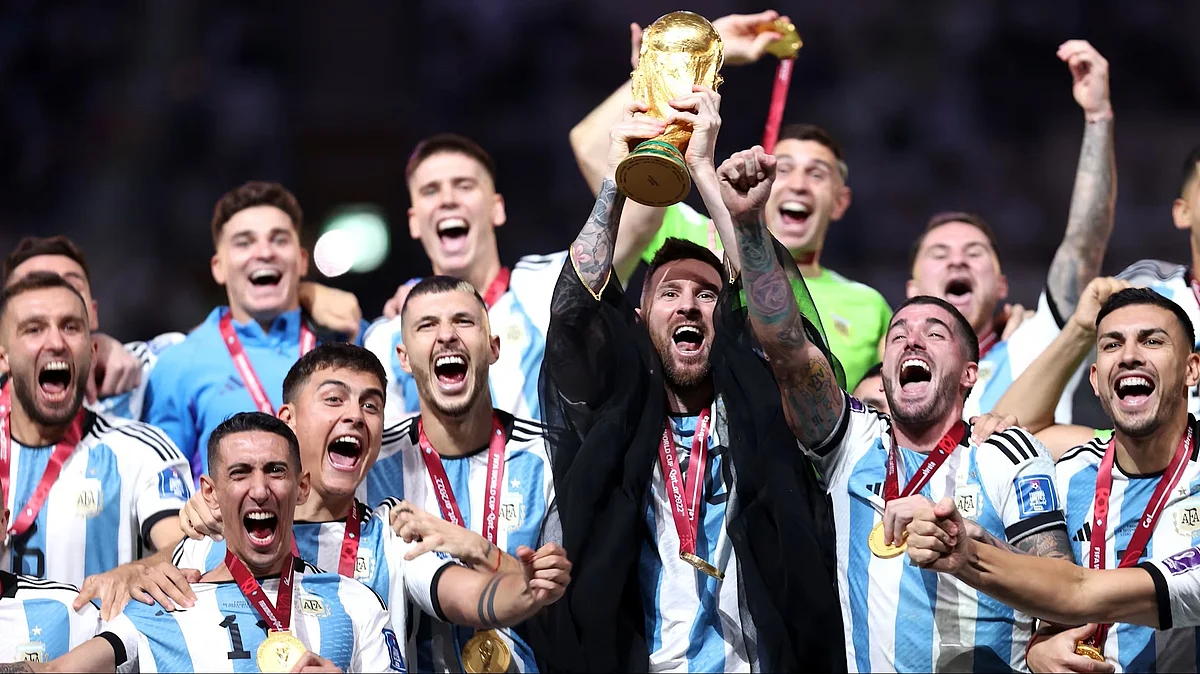


When co-hosts Mexico and South Africa set the ball rolling for the ‘biggest’ World Cup a little after midnight (IST) at the historic Azteca Stadium tomorrow, 11 June, it will mark the biggest gamble on the part of FIFA in the history of the game. As the jury is out on whether a 50 per cent increase in teams (48 from 32) at one go and a quantum leap in the number of matches will make the sport more inclusive, there are several points to ponder.
It was nine years back during a FIFA Congress in 2017 that it had voted to make the World Cup a 48-team affair from the existing 32, which had been in place since 1998. ‘’This is a historic decision to shape the World Cup of the 21st century. Football is more than just Europe and South America and it should give more countries the chance to dream,’’ said Gianni Infantino, the then newly appointed FIFA president replacing the long-serving Sepp Blatter who exited amidst charges of large-scale corruption.
The expansionist plans of Infantino, with an eye on the windfall that TV revenue could generate if there were 104 matches instead of 64, has polarised the football world since then. The footballing elite of Europe — particularly La Liga and Bundesliga bosses — had resisted even as the Asian and African blocs lauded the move.
Infantino, however, tried to push the envelope a bit too soon when he advocated the expanded format from Qatar 2022 itself, but was shot down on the grounds that the small Gulf kingdom would not have the wherewithal to play host at such short notice.
If the upcoming edition of what’s billed as the ‘greatest show on earth’ can smoothly merge economics with fan engagement, Infantino will certainly be hailed as a game-changer. In sheer scale, it is expected to shatter all attendance and broadcasting records, generating an estimated $9 billion in revenue for FIFA and injecting billions into local economies across 16 host cities. However, it’s the governing body’s desperate gesture of trying to woo US President Donald Trump (remember the peace award during the World Cup draw?) which has struck the biggest discordant note so far.
The important question on the pitch, meanwhile, is whether a bigger World Cup will necessarily mean better quality of competition. There could be a flicker of hope for Indian fans in future — however long the shot — as Asia now gets nine spots instead of the earlier six, while there has been a proportionate increase in berths for Africa and North and Central Americas. This has paved the way for fairytale debuts for nations like Jordan, Uzbekistan, Cape Verde and the Caribbean nation of Curaçao — the last named being the smallest to qualify for the event.
While there is a possibility that some of the matches could be lopsided contests, avid watchers of the tournament's evolution will vouch for the fact that there was a similar apprehension when the number of teams was increased from 24 to 32 in 1998. A World Cup, to fall back on Infantino’s famous words, cannot continue to be a preserve of Europe and Latin America at a time when other popular sporting disciplines are vying for new markets.
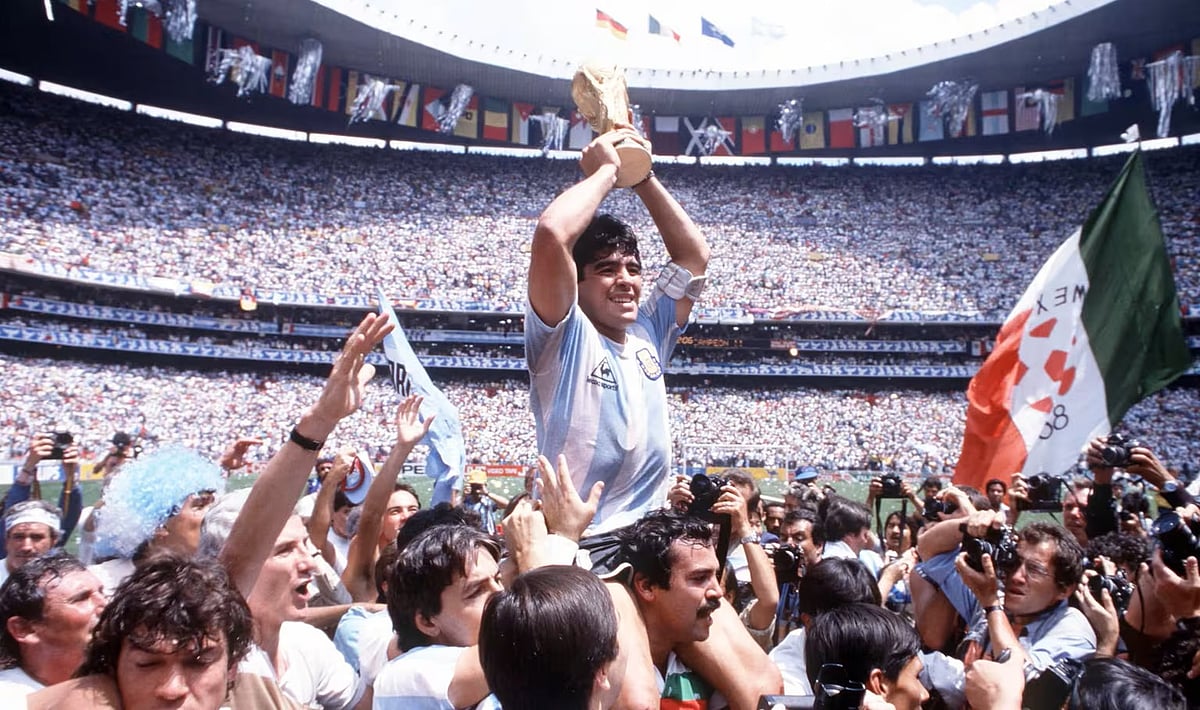
The depth of field in the beautiful game, or Pele’s jogo bonito if you like, is such that despite an increase in the quota of three teams for Europe (16 countries), four-time champions Italy still failed to qualify for the third straight edition. There were heartbreaks for other major football powers like former Euro champions Denmark, and Hungary, while 'Super Eagles' Nigeria failed to earn a place among 10 African nations.
Talk of individual players, and it’s a pity that someone like Georgian winger Khvicha Kvaratskhelia — who played a key role in PSG’s back-to-back Champions League titles, will be missing out as his country failed to make the cut from the European zone.
The format, meanwhile, will be bit of a culture shock for World Cup watchers. The top two teams from each of the 12 four-team groups will qualify for the round of 32, along with eight best third-placed finishers, leading to an extra round where the champions will have to play a maximum of eight matches instead of seven as in the past. The presence of eight best third-placed teams, however, minimises chances of a good team missing out, while even so-called underdogs only need a few good days to trigger chaotic, memorable upsets.
However, there are tangible concerns as to whether the length of the tournament — which now stretches over 39 days instead of the time-tested 30. With club football driving the ecosystem these days, top-tier international stars have arrived in North America after gruelling seasons, and forcing them to play eight matches does raise legitimate questions about burnout.
One thing is for certain — if Qatar 2022 had tested the response of football aficionados to a first-ever World Cup in winter, the 2026 edition may be the precursor to the tournament's future avatar. The question is: how many host countries will be capable of staging the tournament on such a scale on their own? The next one in 2030 has the trio of Spain, Portugal and Morocco but then, Saudi Arabia is due to host the next one.
Host cities in each country
Mexico: Guadalajara, Monterrey and Mexico City
Canada: Toronto and Vancouver
US: Atlanta, Boston, Dallas, Houston, Kansas City, Los Angeles, Miami, New York/New Jersey, Philadelphia, San Francisco Bay Area and Seattle.
Join our official telegram channel (@nationalherald) and stay updated with the latest headlines