


India tops global doping violations list in WADA 2024 testing report
Highest positivity rate among nations conducting over 5,000 tests raises concerns ahead of 2036 Olympics bid
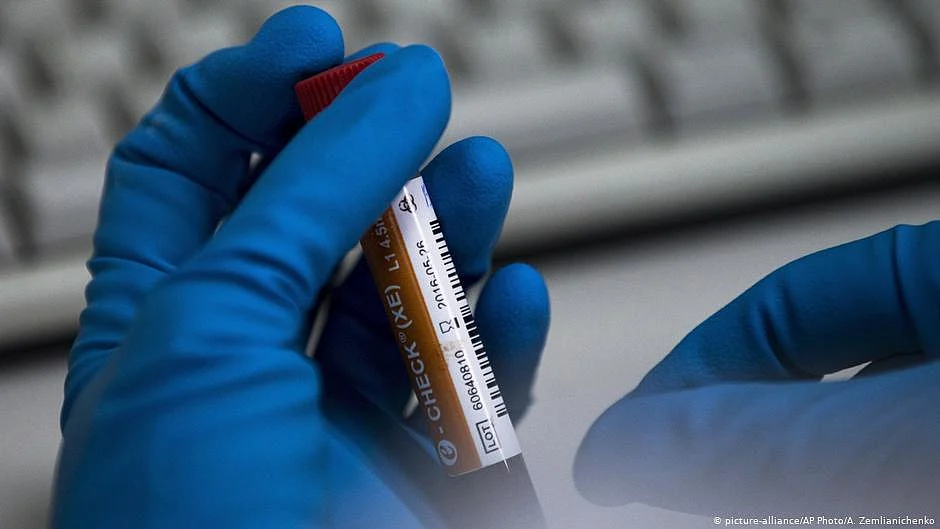


India has recorded the highest number of doping violations among countries that conducted more than 5,000 tests in 2024, according to the World Anti-Doping Agency (WADA) Testing Figures Report, underlining persistent challenges in the country’s fight against banned substances in sport.
As per the report, India conducted 7,113 tests last year — 6,576 urine samples and 537 blood samples — which resulted in 260 adverse analytical findings. This translated into a positivity rate of 3.6 per cent, the highest among all major testing nations.
The figures are likely to be closely scrutinised as the International Olympic Committee (IOC) evaluates India’s prospective bid to host the 2036 Olympic Games, where a strong anti-doping record is considered a key governance indicator.
In comparison, China, which carried out 24,214 tests, reported a positivity rate of just 0.2 per cent, while the United States, with 6,592 tests, recorded a 1.1 per cent rate. Russia, despite its history of state-sponsored doping scandals, conducted 10,514 tests and returned a positivity rate of 0.7 per cent, with 76 adverse findings.
Some countries, including Pakistan and Mongolia, registered higher positivity rates than India, but their overall testing volumes were significantly lower.
NADA’s defence
Responding to the findings, the National Anti-Doping Agency (NADA) said the high positivity rate should be viewed in the context of expanded testing and stronger detection mechanisms, rather than an increase in doping prevalence.
“While this position may appear concerning at both national and international levels, it is essential to underscore that the figures are a direct outcome of India’s intensified anti-doping efforts,” NADA said in a note.
In 2023, India’s positivity rate stood at 3.8 per cent, with 213 adverse results from 5,606 tests, indicating a marginal improvement in 2024 but still leaving the country at the top of an undesirable global ranking.
For 2025, NADA said it has so far conducted 7,068 tests, with 110 adverse findings, bringing the positivity rate down to 1.5 per cent.
Focus on education and prevention
NADA said it has significantly strengthened its anti-doping framework in recent years, with greater emphasis on education, awareness and prevention.
“In 2024, around 280 anti-doping workshops were conducted during sports events and training camps, reaching approximately 37,000 participants,” the agency said.
It added that by 16 December 2025, a total of 329 awareness programmes had been held, including webinars, seminars, television sessions, ADEL courses, mega events, competitions and digital campaigns.
“These initiatives have contributed to improved understanding of prohibited substances, safe medication practices and the responsibilities expected under the anti-doping framework,” NADA said.
The agency also highlighted the growing use of its ‘Know Your Medicine’ mobile application, aimed at preventing inadvertent doping. As of 2024, the app has logged around 2.4 lakh searches, allowing athletes and support staff to check whether medicines or substances contain banned ingredients.
Supplements under scrutiny
To address concerns over contaminated nutritional supplements, a recurring issue in Indian sport, NADA said it is working closely with the Food Safety and Standards Authority of India and the National Forensic Science University to strengthen testing and regulation in this area.
Union Sports Minister Mansukh Mandaviya has repeatedly stated the government’s commitment to tackling doping, particularly in disciplines such as athletics and weightlifting, which have historically accounted for a large share of violations.
Despite the marginal improvement reflected in the latest data, experts note that India’s positivity rate remains uncomfortably high, reinforcing the need for sustained enforcement, better athlete education and stricter oversight as the country seeks a larger role on the global sporting stage.
Join our official telegram channel (@nationalherald) and stay updated with the latest headlines