


India floats quick-fix trade pact with Mexico as tariff wall looms
PTA pitched as the fastest workaround to Mexico’s steep duties, while exporters brace for impact
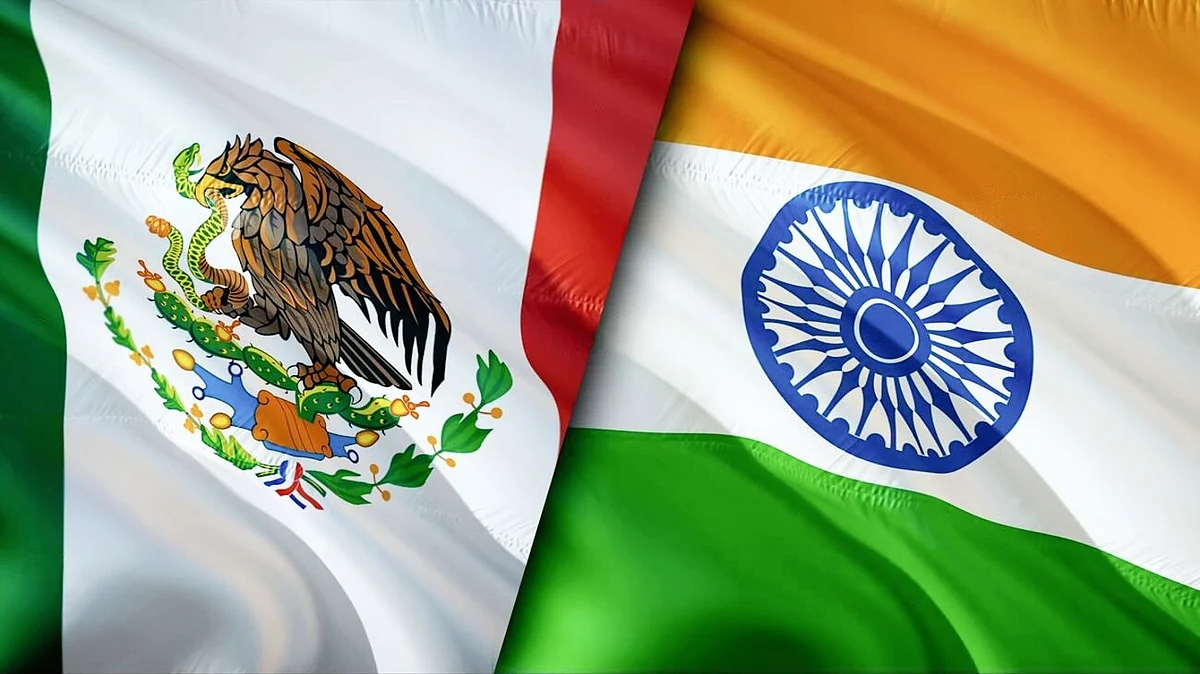


India has proposed a preferential trade agreement (PTA) with Mexico in an attempt to cushion domestic exporters from a looming wall of import tariffs imposed by the Latin American country, a senior government official said on Monday.
Mexico has decided to levy sharply higher import duties — ranging from about 5 per cent to as much as 50 per cent — on a wide swathe of goods from countries with which it does not have free trade agreements. The move covers roughly 1,463 tariff lines and affects exporters from India, China, South Korea, Thailand and Indonesia.
Commerce secretary Rajesh Agrawal said India is already engaged with Mexico to find a way around the tariff shock. “Technical-level talks are on. The only fast way forward is to try to get a preferential trade agreement, because an FTA will take a lot of time,” Agrawal told reporters. “We are trying to see what can be a good way forward.”
In trade-policy terms, a PTA is essentially the quicker, slimmer cousin of a full-fledged free trade agreement. While FTAs typically slash or eliminate duties across a broad range of goods, PTAs limit concessions to a smaller basket — faster to negotiate, if less ambitious.
There is little scope for legal challenge, either. Trading partners cannot contest Mexico’s tariff hike at the World Trade Organisation, as the duties fall within the country’s bound rates and are therefore WTO-compliant. Agrawal also stressed that India was not the principal target of the move.
“We have proposed a PTA because it’s a WTO-compatible way forward,” he said. “We can seek concessions required for Indian supply chains and, in return, offer Mexico concessions in areas where they have export interests in India.”
Mexico has justified the tariff increase — effective 1 January 2026 — as a measure to support domestic manufacturing and correct trade imbalances. The revised MFN tariffs apply to about 1,455 product categories and primarily target non-FTA partners, with curbing Chinese imports clearly high on the agenda.
For India, the fallout is not trivial. Preliminary estimates suggest exports worth around USD 2 billion could be hit, particularly in automobiles, two-wheelers, auto components, textiles, iron and steel, plastics, leather and footwear.
Bilateral merchandise trade between the two countries stood at USD 8.74 billion in 2024, with India enjoying a surplus of USD 2.72 billion — a detail unlikely to make New Delhi sleep easier.
The government said it has been closely tracking Mexico’s tariff revisions, consulting stakeholders and engaging in dialogue to protect exporters and maintain a “stable trade environment” for businesses and consumers on both sides.
Exporters, however, are already sounding the alarm. Federation of Indian Export Organisations director general Ajay Sahai described the move as a serious concern for sectors ranging from autos and machinery to pharmaceuticals and textiles.
“Such steep duties will erode our competitiveness and risk disrupting supply chains that have taken years to develop,” Sahai said, adding that the episode highlights the lack of urgency so far in pushing through a comprehensive India–Mexico trade agreement.
Auto component makers are also bracing for higher costs, with industry body ACMA warning that Mexico’s tariff hike will intensify pressure on Indian manufacturers exporting to the market.
With PTI inputs
Join our official telegram channel (@nationalherald) and stay updated with the latest headlines