Advertorial
Gold Loan Rate Per Gram Today on App
The per gram loan value is derived from the assessed value of gold and applicable lending regulations
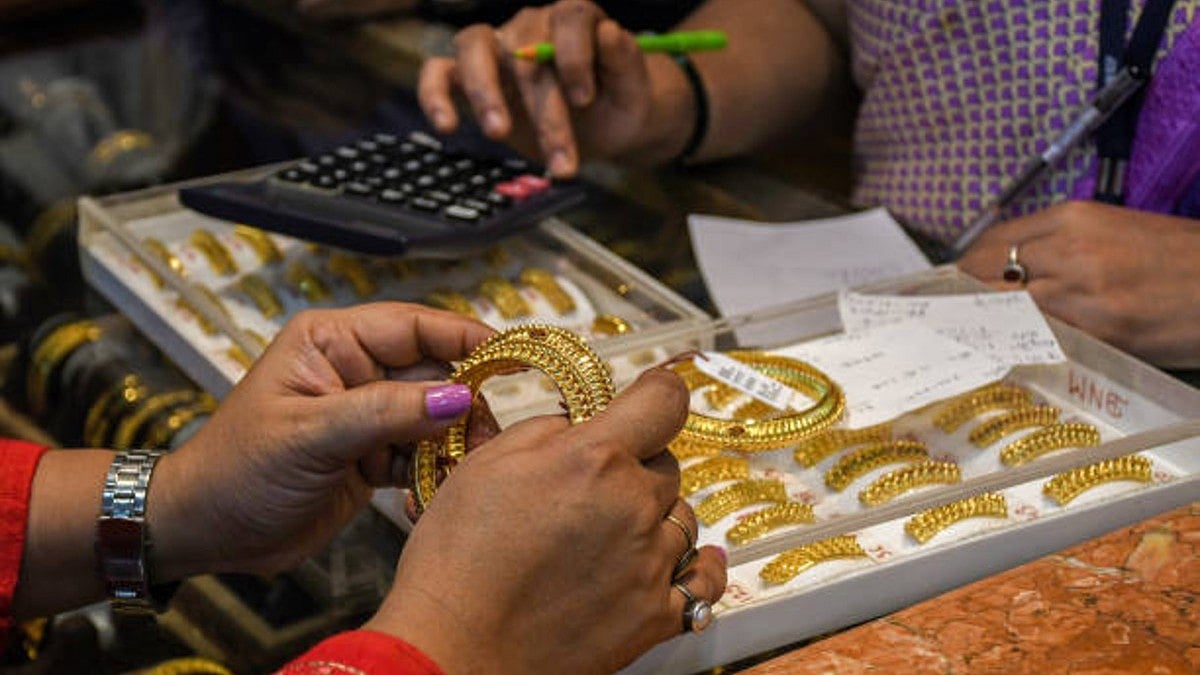
For anyone planning to pledge gold jewellery, understanding the gold loan rate per gram today is an important part of the borrowing process. The amount a borrower may be eligible to receive is directly linked to the value assigned to the pledged gold. Since gold prices can fluctuate over time, checking current rates before applying can help borrowers estimate their loan eligibility more accurately.
Today, many lenders provide digital tools that allow users to view indicative loan values, calculate eligibility, and plan repayments through a mobile application. A gold loan app online makes it easier for borrowers to access this information without visiting a branch during the initial planning stage.
How the Per Gram Rate Is Determined
The per gram loan value is derived from the assessed value of gold and applicable lending regulations. While gold prices in the market influence the valuation, the final loan eligibility is determined after applying the permitted Loan-to-Value (LTV) ratio.
For gold loans offered by regulated lenders, the maximum LTV is generally capped at 75% of the assessed gold value as per applicable RBI guidelines. As a result, the amount displayed in a loan eligibility calculator represents the potential loan value rather than the full market value of the gold itself.
This distinction is important when reviewing gold per gram loans in India. The per gram loan value reflects lending eligibility after regulatory and valuation considerations have been applied, not the prevailing retail gold price.
Because valuation methodologies may vary, the final loan amount is determined after physical appraisal and verification of the pledged gold.
Using a Gold Loan App Online to Check Today's Rate
A gold loan app online can help borrowers estimate their loan eligibility before initiating the application process.
Most lending apps provide a calculator that allows users to enter:
● Gold purity (18K, 20K, 22K, or 24K)
● Weight of gold in grams
Based on these inputs, the application provides an indicative estimate of the potential loan amount and corresponding per gram loan value.
This feature helps borrowers understand the approximate borrowing capacity of their jewellery before scheduling an appraisal. Although the final valuation is determined during physical assessment, digital calculators can provide useful estimates for financial planning purposes.
Many borrowers use these tools to compare different gold items and assess how purity and weight may influence the eligible loan amount.
Why Per Gram Rates Differ by Purity
Gold purity plays a significant role in determining loan eligibility.
Gold is commonly measured in karats, with higher karat values indicating a higher proportion of pure gold. Since the intrinsic gold content differs across purity levels, the per gram loan value may also vary.
For example:
● 24-karat gold contains the highest level of purity.
● 22-karat gold is commonly used in jewellery and contains approximately 91.6% pure gold.
● 20-karat gold contains a lower proportion of pure gold.
● 18-karat gold contains approximately 75% pure gold.
As a result, two gold ornaments of identical weight may support different loan amounts if their purity levels differ.
Many digital calculators display estimates across different purity categories, helping borrowers understand how purity impacts the valuation process before visiting a branch.
How Gold Price Changes Affect the Rate
While the maximum LTV remains regulated, the value of gold itself can change over time.
When gold prices rise, the assessed value of eligible gold may increase, potentially resulting in a higher loan eligibility estimate for the same quantity of gold. Conversely, when gold prices decline, estimated loan values may also decrease.
For borrowers who are not facing immediate funding requirements, monitoring market trends can provide additional context when evaluating borrowing options.
Many lending applications update their calculators periodically to reflect prevailing market conditions, allowing users to access more current estimates when planning a gold loan.
However, borrowers should remember that final eligibility depends on appraisal results, lender policies, and applicable regulatory requirements.
Combining the Rate Check with EMI Planning
One of the most useful features of a modern gold loan app online is the ability to combine eligibility estimation with repayment planning.
After reviewing the indicative per gram loan value, borrowers can use the estimated loan amount to calculate repayment obligations. Most EMI calculators require three inputs:
● Loan amount
● Applicable interest rate
● Loan tenure
Using these details, borrowers can estimate:
● Monthly EMI
● Total repayment amount
● Total interest payable during the loan tenure
This allows users to move beyond simply understanding how much they may borrow and focus on whether the repayment commitment fits their budget.
Many borrowers use this combination of rate checking and EMI planning to compare different loan amounts and repayment tenures before applying.
For example, digital tools offered by lenders such as IIFL Finance can help borrowers estimate eligibility, explore repayment scenarios, and better understand the overall borrowing commitment before proceeding to the appraisal stage.
Conclusion
Checking the gold loan rate per gram today is often the first step in evaluating a gold loan. By understanding how loan values are calculated, how purity influences eligibility, and how market movements can affect valuation estimates, borrowers can make more informed decisions before applying.
A gold loan app online brings together eligibility estimation, gold valuation insights, and EMI planning tools in one place. By using these resources before visiting a branch, borrowers can approach the appraisal and application process with clearer expectations and greater confidence.
Join our official telegram channel (@nationalherald) and stay updated with the latest headlines