Advertorial
Where Your Holiday Budget Goes: Cost for a 10-Day Europe Trip
The cost for a 10-day Europe trip from India depends on where you go, when you travel and how comfortably you want to stay
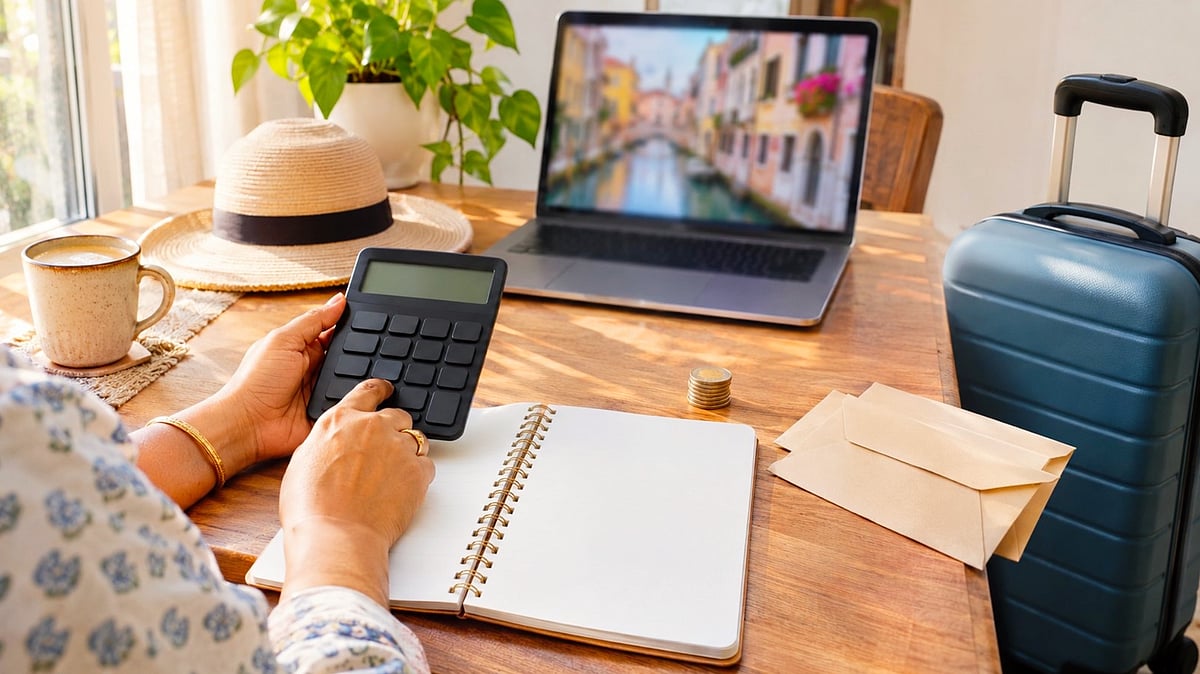
Europe is exciting to plan, but a holiday budget can get confusing once you start adding bookings together. The cost for a 10-day Europe trip from India depends on where you go, when you travel and how comfortably you want to stay.
Flights and hotels are obvious expenses. Train tickets, meals, museum entries and small daily payments matter too. Rather than relying on a package's headline price, work out the cost of the whole journey. Here is where your money will go.
Estimated Cost of a 10-Day Europe Trip from India
There is no single accurate amount for every traveller. Check return flight fares from your departure city and accommodation prices for your actual dates. Add food, transport, sightseeing and visa expenses to your budget. You should also buy travel insurance before departure and include its cost in your overall spending.
A hostel-based holiday using public transport will cost less than one with central hotels and private tours. Compare costs per person, especially when sharing a room. Keep an emergency reserve outside your planned spending, so a change of plans does not affect the rest of your trip.
Major Expenses That Shape Your Europe Trip Budget
Your expenses are easy to identify. The important part is checking what each booking includes before you pay for it.
International Flights and Airport Transfers
Airfare often takes a large share of your budget. A low fare can become expensive after extras are added.
Compare tickets with baggage charges included.
Check connection times and airport changes.
Include transfers between airports and accommodation.
Accommodation Costs Across European Cities
A cheaper room can be a poor deal if it is far from public transport. Check the total stay price carefully.
Look for hotels near metro or bus stops.
Check breakfast, cleaning charges and tourist taxes.
Read cancellation conditions before paying.
Food, Dining and Daily Expenses
Eating at restaurants for every meal adds up quickly. A few small changes can help without spoiling the holiday.
Mix restaurant meals with cafés or supermarket food.
Budget for drinks, snacks and occasional treats.
Check for kitchen access if you prefer cooking.
Local Transport and Intercity Travel
Changing cities frequently can make transport a major expense. Compare the full journey cost, not just the ticket price.
Check trains against flights with baggage and transfers.
Buy transport passes only if they suit your plans.
Allow for travel between stations and hotels.
Sightseeing, Attractions and Activities
Famous attractions and guided tours need their own budget. Not every enjoyable afternoon needs a paid ticket.
Choose your must-see places before booking.
Check official sites for admission charges.
Include free parks, markets and walking routes.
How Your Choice of European Destinations Affects Costs
A holiday covering Paris and Zurich can have a different price tag from one based in smaller European cities. Accommodation, restaurants and transport do not cost the same everywhere. Moving to a new country every other day also adds fares and leaves less time for sightseeing.
Here are some ways to save money:
Spend longer in fewer places to reduce transfers.
Compare neighbourhoods, not just city centres.
Choose nearby destinations instead of long detours.
Travel outside peak holiday periods if possible.
Hidden Expenses to Include in Your Europe Travel Budget
Some costs are easy to overlook because they appear separately from your main bookings.
Leave room for these expenses:
Visa application and related service charges, where applicable.
Mobile data, laundry and luggage storage.
Currency conversion fees and overseas ATM charges.
Hotel tourist taxes and unplanned local journeys.
Extra spending if a connection is missed or plans change.
Check what the policy says about medical emergencies, baggage problems and travel disruption, since benefits are subject to policy terms and conditions.
Conclusion
A good Europe budget is not about cutting out everything enjoyable. It is about knowing what you are paying for. Price your flights and accommodation first, then set realistic allowances for food, transport and sightseeing. Compare total costs rather than offers that leave out important extras. Avoid squeezing too many cities into one short holiday, and keep money aside for unexpected situations. With a clear spending plan, you can spend less time worrying about expenses and more time enjoying the places you came to see.