Business
Air India CEO steps down amid growing operational and financial pressures
According to sources familiar with the matter, Campbell Wilson conveyed his decision to airline’s board and has stepped down from the role
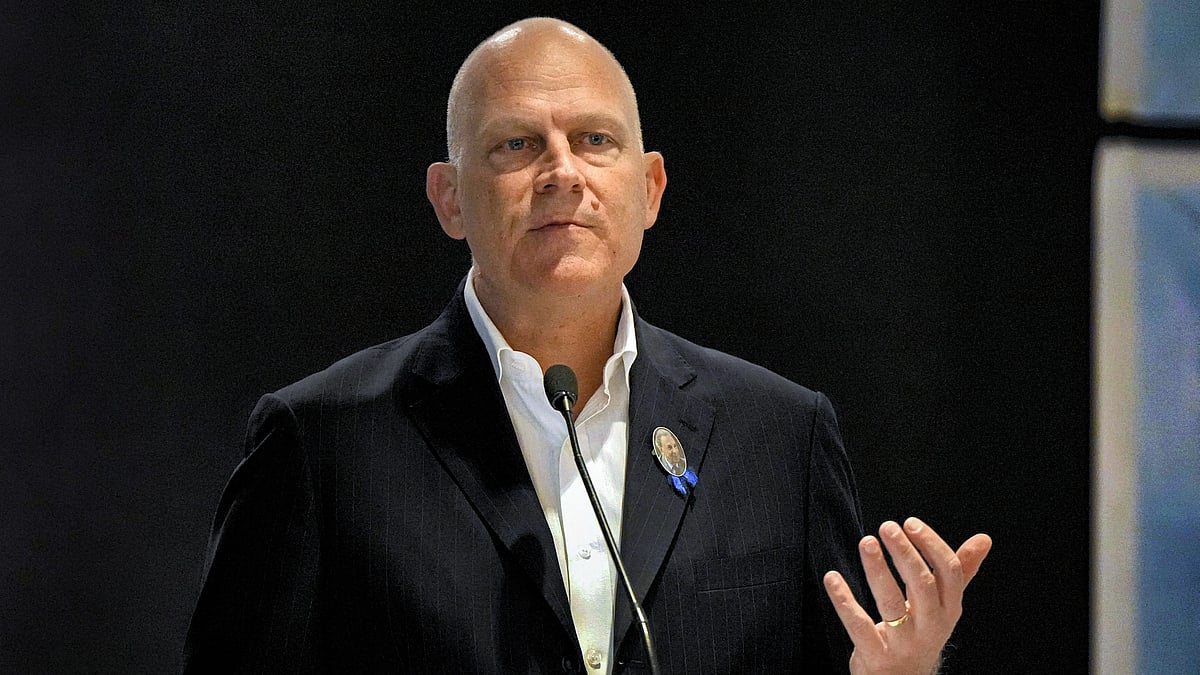
Updated at 3.30 pm, 4 April 2027:
Air India on Tuesday confirmed that its Chief Executive Officer and Managing Director, Campbell Wilson, has stepped down from his role, with the airline initiating the process to appoint a successor.
In an official statement, the carrier said a dedicated committee has been set up to identify and evaluate candidates, with a replacement expected to be finalised in the coming months.
The leadership transition comes at a critical juncture for Air India, which is navigating a complex shift from decades of state ownership to private control under the Tata Group. With a legacy spanning nearly a century, the airline remains one of India’s most recognisable aviation brands. The group currently operates two carriers — the full-service Air India and its low-cost arm, Air India Express.
Wilson, a New Zealand-born aviation executive, took charge in 2022 following the airline’s privatisation. His resignation comes ahead of the completion of his five-year term.
During his tenure, the airline undertook an ambitious transformation agenda, including fleet modernisation, service upgrades and operational integration. However, these efforts have been challenged by a range of external and structural factors, such as global supply chain disruptions, delays in aircraft deliveries and rising operational costs.
The incoming chief executive will be tasked with sustaining the airline’s turnaround momentum while addressing persistent operational and financial pressures.
Earlier a Hindustan Times report quoted sources familiar with the matter to state that Wilson conveyed his decision to the airline’s board and has stepped down from the role, although he is expected to remain with the company until a successor is appointed. His tenure, which began in July 2022 following Air India’s return to private ownership, had originally been expected to run until 2027. However, it is understood that he had indicated earlier this year that he did not wish to continue beyond his contractual term.
The airline has already initiated a global search for a replacement, with discussions reportedly underway with senior executives from full-service carriers. A key meeting regarding the appointment is expected in the coming days, though no names have been publicly confirmed.
Wilson’s departure comes at a challenging time for Air India, which is navigating a complex turnaround under the Tata Group’s Vihaan.AI transformation plan. While the strategy aimed to modernise the airline, expand its fleet and improve service standards, progress has been uneven.
The carrier is currently facing significant financial headwinds, with losses projected to reach as high as Rs 20,000 crore in the 2025–26 financial year. Rising operational costs have been exacerbated by longer flight routes necessitated by airspace restrictions linked to geopolitical tensions in West Asia, increasing fuel consumption and affecting international operations.
These pressures have compounded the fallout from the June 2025 crash of Air India Flight AI 171, a London-bound Boeing 787-8 that went down shortly after take-off from Ahmedabad, resulting in the deaths of 241 people on board and additional casualties on the ground. The incident triggered widespread scrutiny of the airline’s safety practices and operational oversight. While a preliminary investigation report was released in July 2025, the final findings are expected by June 2026.
Wilson faced sustained criticism in the aftermath of the crash, both for the airline’s handling of the crisis and for broader concerns around maintenance standards and regulatory compliance. The Directorate General of Civil Aviation (DGCA) had also raised issues in late 2025, including lapses related to aircraft certification and operational procedures.
Operational challenges have extended beyond safety concerns. The airline continues to grapple with supply chain constraints affecting aircraft deliveries, forcing it to retain older planes and manage frequent technical disruptions. At the same time, integration efforts—including the merger of Vistara into Air India—have added complexity to the transformation process.
Passenger experience has remained another area of concern, with complaints over delays, cabin conditions and service inconsistencies persisting despite efforts to overhaul the airline’s image.
Air India Express, the group’s low-cost subsidiary, is also without a permanent head following the recent exit of its managing director after completing his tenure, adding to leadership gaps within the organisation.
Industry observers note that the incoming CEO will need extensive global aviation experience, particularly in managing full-service operations while also understanding the dynamics of low-cost carriers. The timing of the appointment may also hinge on the conclusions of the ongoing crash investigation, which could influence the airline’s strategic direction and regulatory environment.
Air India is not alone in facing leadership churn. The broader Indian aviation sector has seen multiple executive exits this year, reflecting the pressures of a rapidly expanding yet highly competitive market.
Wilson’s tenure was marked by ambitious plans, including a large-scale aircraft order and efforts to reposition Air India as a globally competitive carrier. However, a combination of legacy issues, external disruptions and execution challenges ultimately defined a turbulent chapter in the airline’s ongoing transformation.
With PTI inputs
Join our official telegram channel (@nationalherald) and stay updated with the latest headlines
Published: 07 Apr 2026, 9:27 AM IST