Business
Bank Nifty drops sharply after RBI tightens forex exposure norms
Banking stocks fall as new curbs trigger unwinding of dollar positions and strengthen rupee
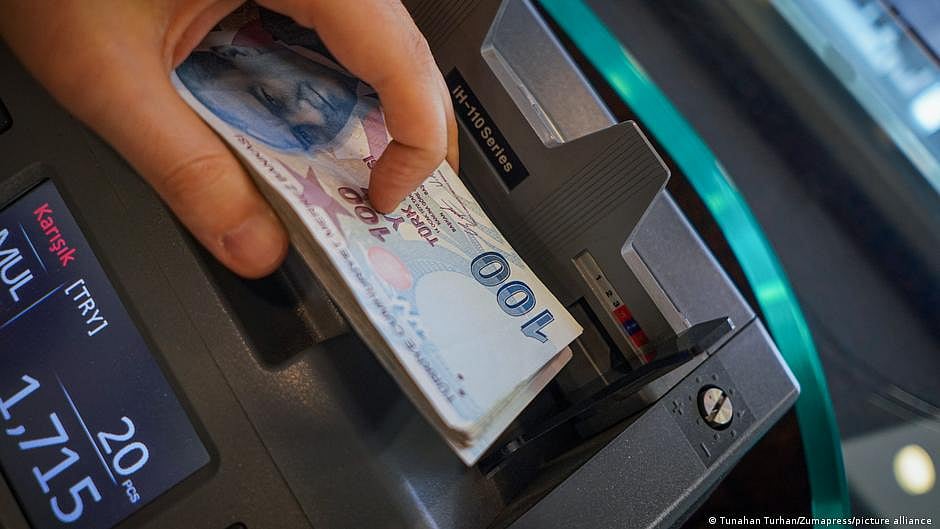
Banking stocks came under significant pressure on Monday, dragging the Bank Nifty index nearly 3 per cent lower after the Reserve Bank of India (RBI) introduced stricter limits on lenders’ foreign exchange exposure.
The central bank, in a directive issued late on Friday, instructed banks to cap their net open rupee positions in the foreign exchange market at $100 million by the end of each business day. The rule, which must be implemented by 10 April, prompted an immediate reaction in financial markets.
The Bank Nifty index reversed gains from the previous two sessions to fall to an intraday low of 50,744.60, marking a decline of 2.92 per cent. All 14 constituent stocks were trading in negative territory.
Among the worst performers, AU Small Finance Bank dropped 4.7 per cent, while IndusInd Bank and Union Bank of India declined by over 4 per cent each. Federal Bank and Punjab National Bank also registered losses of nearly 2 per cent. Heavyweight lenders, including HDFC Bank, touched fresh session lows, while State Bank of India fell more than 3 per cent.
The broader financial sector, including private and state-owned banks, witnessed declines in the range of 2 to 2.5 per cent.
Market participants attributed the sell-off to the RBI’s move, which is expected to force banks to unwind large arbitrage positions built across onshore and offshore currency markets. These trades typically involve exploiting price differences between domestic forward contracts and offshore non-deliverable forwards.
With the new cap in place, banks are now required to scale back such positions rapidly. This has led to increased dollar selling in the domestic market, contributing to a strengthening of the rupee in both spot and forward segments.
The one-month dollar-rupee forward rate eased to around 94.13, compared with levels above 95 seen at the end of last week, reflecting the shift in market dynamics.
The regulatory tightening comes at a time when the rupee has already weakened by more than 4 per cent in March amid heightened global volatility linked to geopolitical tensions in West Asia.
Bankers have reportedly sought additional time from the central bank to comply with the new norms, warning that a swift unwinding of positions could result in financial losses. Some market participants also expect the possibility of a relaxation in the timeline.
Analysts noted that while the move may reduce speculative activity and curb excessive risk-taking in the currency market, the immediate impact is likely to remain disruptive. The RBI has also been actively intervening in the foreign exchange market in recent weeks to manage volatility in the rupee.
With PTI, IANS inputs
Join our official telegram channel (@nationalherald) and stay updated with the latest headlines