Business
EVs take record 12.5% share of India auto sales in June amid fuel price hikes
According to the Federation of Automobile Dealers Associations, total electric vehicle retail sales across categories touched 3,06,220 units during the month
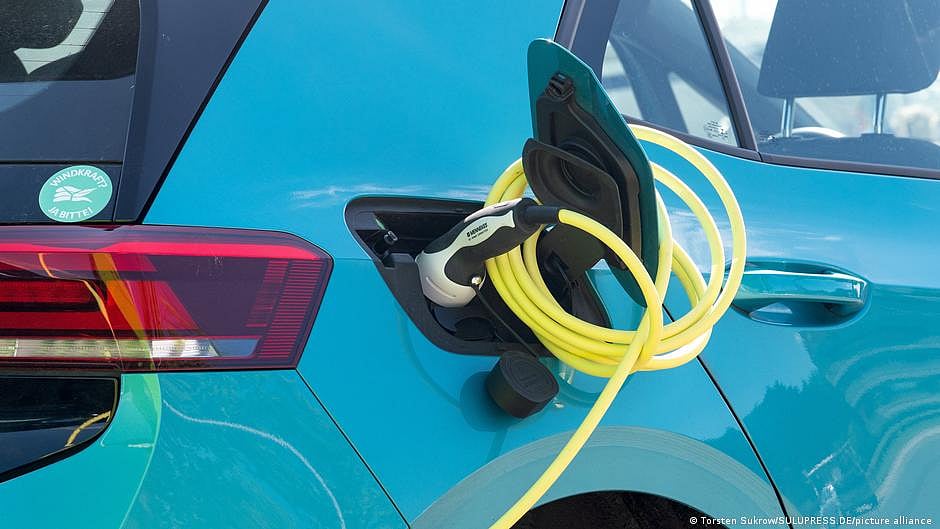
Electric vehicle penetration in India’s automobile market climbed to a record 12.5 per cent in June, as rising fuel costs and growing consumer acceptance of cleaner mobility pushed battery-powered vehicle sales to a new high.
According to a Federation of Automobile Dealers Associations press release, total electric vehicle retail sales across categories touched 3,06,220 units during the month, the highest ever recorded in a single month. That took EVs’ share of overall automobile retail sales to around 12.5 per cent.
The strongest gains came from the passenger vehicle segment, where electric cars accounted for 8 per cent of all new car and sport utility vehicle sales in June. Registrations of electric passenger vehicles rose to a record 31,823 units, underscoring the growing role of EVs in India’s car market.
Electric two-wheelers also crossed an important threshold, with battery-powered models accounting for 10.6 per cent of total two-wheeler retail sales for the first time, up from 7.3 per cent in the same month last year.
Three-wheelers remained India’s most electrified automotive segment, with EVs making up 64 per cent of total retail sales in June. Commercial vehicles, though still at an early stage of transition, recorded EV penetration of 4 per cent.
The broader vehicle market also posted a record performance. Overall automobile retail sales rose 21.8 per cent year-on-year to 2.56 million units, making June 2026 the strongest June on record for the industry. Every major segment — two-wheelers, passenger vehicles, commercial vehicles and three-wheelers — registered their best-ever June sales.
The period also coincided with the ethanol issue gathering attention. India’s ethanol debate is rooted in the government’s ambitious E20 programme, which mandates a 20 per cent ethanol blend in petrol. While the policy has helped cut crude oil imports and lower emissions, it has also drawn criticism over reduced fuel efficiency, the risk of engine damage in older vehicles, and concerns about food security arising from the diversion of crops towards ethanol production.
Passenger vehicles emerged as the biggest growth driver, with retail sales jumping 28.6 per cent to an all-time June high of 4,11,000 units. A notable shift within the segment was the rise of cleaner powertrains, with CNG, hybrid and electric vehicles together accounting for more than 40 per cent of passenger vehicle retail sales for the first time.
Two-wheelers, the largest segment in India’s auto market, also recorded their highest-ever June sales at 1.83 million units, up 21.2 per cent from a year earlier. Although volumes dipped slightly from May, the decline was attributed mainly to softer rural demand amid delayed monsoon rains, while urban demand remained resilient.
Three-wheeler sales climbed to a record 1,21,000 units, with the segment’s transition towards electric mobility continuing at a rapid pace. Commercial vehicle sales rose 16.9 per cent year-on-year to 90,972 units, supported by freight movement, e-commerce demand and improving supplies. Electric commercial vehicles reached a record market share of 3.5 per cent.
Tractor sales, a key indicator of rural demand, increased 25.3 per cent to 1,01,000 units, making it the second-best June on record as farmers stepped up purchases ahead of the Kharif sowing season.
FADA president C S Vigneshwar said the June numbers reflected resilient demand across both urban and rural markets, even though the delayed and uneven southwest monsoon had led to some moderation in rural buying on a month-on-month basis.
Join our official telegram channel (@nationalherald) and stay updated with the latest headlines