Business
India raises import duty on gold and silver amid West Asia crisis
Government says higher tariffs are aimed at reducing non-essential imports and easing pressure on foreign exchange reserves as global tensions drive up oil prices
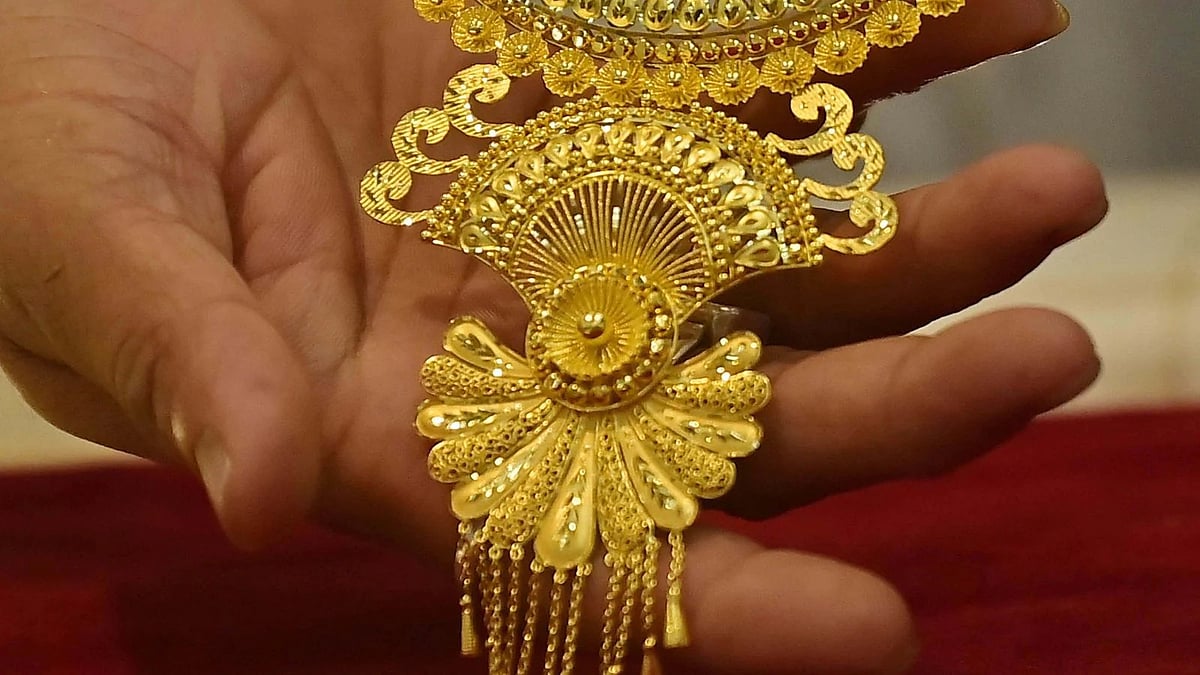
The Indian government has sharply increased import duties on gold, silver and platinum in a move aimed at curbing non-essential imports and protecting the country’s foreign exchange reserves amid the ongoing crisis in West Asia.
Under the revised structure, import duty on gold and silver has been raised from 6 per cent to 15 per cent with effect from 13 May, while the duty on platinum has increased from 6.4 per cent to 15.4 per cent. The changes also apply to related products such as gold and silver dore, coins and findings.
The decision comes days after Prime Minister Narendra Modi urged citizens to reduce avoidable foreign exchange expenditure by limiting fuel consumption, postponing gold purchases and cutting down on foreign travel.
Officials said the duty increase was intended as a preventive step to manage external-sector risks at a time of heightened geopolitical uncertainty.
“During periods of external stress, measured moderation of discretionary imports may contribute significantly to overall macro-economic stability,” a government source said.
India is the world’s second-largest consumer of gold after China, with demand largely driven by the jewellery sector. Imports of precious metals account for a significant outflow of foreign currency.
Industry representatives warned that the steep hike could fuel smuggling and push buyers towards unofficial channels. All India Gems and Jewellery Domestic Council chairman Rajesh Rokde said the increase would raise the price of gold by around Rs 27,000 per 10 grams.
“What the industry fears is that this will give rise to the grey market,” Rokde said, warning that smuggling activities could increase.
Senco Gold and Diamonds managing director and chief executive Suvankar Sen said the elevated duty structure could remain in place until the West Asia conflict eases.
He estimated that jewellery volumes may decline by 10 to 15 per cent, although higher prices would keep the value of sales elevated as consumers shift towards lighter ornaments.
Government officials said the duty hike was designed as a “calibrated and proportionate intervention” to discourage avoidable imports without imposing harsher restrictions such as quotas or outright bans.
The move comes as the conflict in West Asia and disruptions around the Strait of Hormuz continue to push up crude oil prices and import costs. Brent crude has risen sharply from about USD 73 per barrel before the conflict to over USD 100 per barrel in recent weeks.
India imports around 87 per cent of its crude oil requirements, with nearly half of those supplies passing through or near the Strait of Hormuz. The country also relies heavily on imports of LPG and fertilisers from the Gulf region.
India’s gold imports rose more than 24 per cent to a record USD 71.98 billion in the 2025–26 financial year despite a fall in shipment volumes. At the same time, domestic gold prices have surged sharply, with prices in Delhi touching Rs 1,56,800 per 10 grams this week.
Chief economic adviser V. Anantha Nageswaran recently described the ongoing West Asia conflict as a “live balance of payments stress test” for India, warning of potential implications for inflation, the current account deficit and the rupee, which hit a record low against the US dollar on Tuesday.
With PTI inputs
Join our official telegram channel (@nationalherald) and stay updated with the latest headlines