Business
India’s Russia imports plunge as crude purchases fall, official data shows
January trade data shows merchandise imports declined over 40% amid reduced Russian oil buys
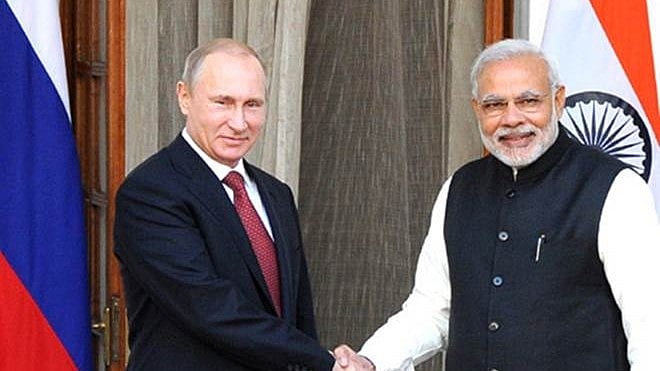
India’s merchandise imports from Russia plummeted 40.5 per cent in January to $2.86 billion, compared with $4.81 billion a year earlier, according to official trade figures released on Monday — a drop largely attributed to Indian refiners drastically scaling back purchases of Russian crude oil.
Petroleum crude has traditionally made up about 80 per cent of India’s merchandise imports from Russia, and industry sources estimate that crude imports last month were around $2.3 billion or possibly less.
The downturn in Russian crude shipments to India comes amid wider shifts in global energy trade and ongoing talks with the United States. In recent months, refiners have increasingly sought alternative barrels, including from the Middle East, as Western sanctions pressure grows and trade negotiations with Washington proceed.
Reuters data show India’s Russian oil imports had already been on a downward trajectory through late 2025 and into January, with volumes falling on a daily basis compared with the end of the previous year.
Last year’s imposition of punitive tariffs by the US on Indian goods over oil purchases from Russia contributed to the reduction in crude imports, and Washington has since eased some tariffs as part of broader trade discussions that include expectations of further diversifying India’s energy sources.
Beyond crude, India’s imports from Russia also include coal, coke, fertiliser, iron, newsprint and precious stones, but the sharp decline in total figures underscores how pivotal crude oil has been to the trade relationship.
Industry observers say Indian refiners’ shift away from Russian barrels is likely to continue, even as official government data by detailed product lines is still awaited, and as global energy markets evolve in response to geopolitical and economic pressures.
With agency inputs
Join our official telegram channel (@nationalherald) and stay updated with the latest headlines