Business
Iran–Israel conflict pushes up steel prices, raises costs for Indian real estate
Developers face mounting pressure as supply disruptions and rising crude prices impact construction
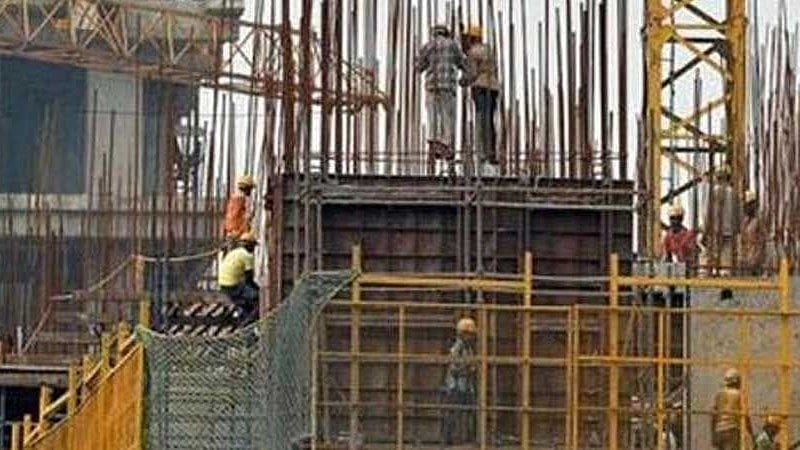
The ongoing tensions in West Asia are beginning to affect India’s real estate sector, with a sharp rise in steel prices increasing construction costs, particularly for high-rise and luxury housing projects.
Industry estimates indicate that steel prices have climbed by nearly 20 per cent in recent weeks, driven by supply chain disruptions, higher freight costs and broader geopolitical uncertainty. The surge is already being felt across key property markets, where steel is a critical input.
In Mumbai, the country’s largest high-rise market, the increase in steel costs is estimated to have added around Rs 50 per square foot to construction expenses. Similar pressures are being reported in other major urban centres such as Delhi-NCR and Bengaluru.
Experts quoted by moneycontrol said the spike is closely linked to disruptions in global trade routes, including tensions around the Strait of Hormuz, which has affected the flow of materials and increased transportation costs. Rising crude oil prices have also added to the burden, as fuel is a key component in construction activities.
According to ANAROCK Group, the impact is particularly pronounced in high-rise developments, where steel plays a central role in structural strength. Projects involving complex designs and premium materials are expected to face even steeper cost increases.
In Delhi-NCR, where luxury developments dominate areas such as Gurugram and Noida, construction costs could rise by Rs 40 to Rs 60 per square foot. In Bengaluru, where mid- and high-rise residential projects are common, the increase is estimated at Rs 30 to Rs 50 per square foot.
Analysts warn that the cost escalation comes at a challenging time for the sector, as housing demand has already shown signs of moderation. Developers may be forced to absorb part of the increase or pass it on to buyers, potentially affecting affordability.
Despite these concerns, industry bodies maintain that the current disruption is manageable in the short term. CREDAI said the sector remains stable, with only temporary supply-side challenges emerging due to global energy volatility.
However, experts caution that if geopolitical tensions persist, the impact could deepen, leading to sustained increases in input costs and eventual upward pressure on property prices across key markets.
With PTI, IANS inputs
Join our official telegram channel (@nationalherald) and stay updated with the latest headlines