Business
Rupee hits record low, breaches 94.50 against US dollar amid global pressures
Currency weakens on rising oil prices, stronger dollar and continued foreign outflows
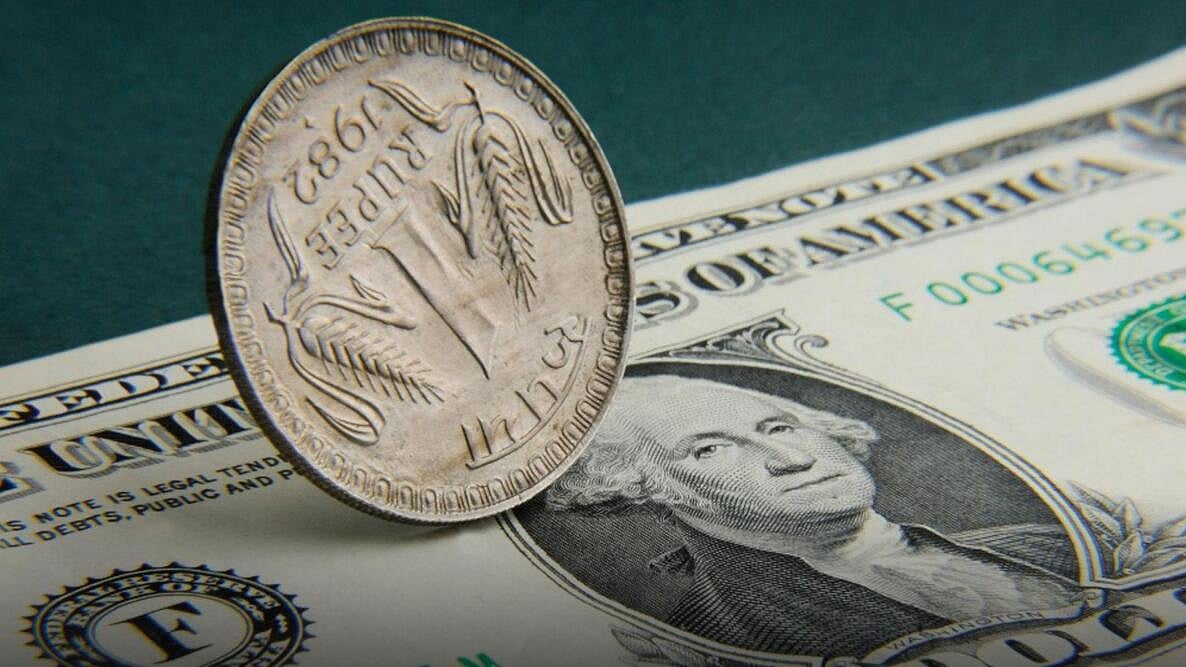
The Indian rupee fell to a record low during intra-day trade on Friday, breaching the 94.50 mark against the US dollar for the first time as global and domestic pressures weighed heavily on the currency.
At the interbank foreign exchange market, the rupee opened at 94.18 and slid further to touch an all-time low of 94.56, marking a sharp decline of 60 paise from its previous close.
The fall comes amid elevated crude oil prices and a stronger US dollar, with investors remaining cautious due to the lack of progress in resolving the ongoing conflict in West Asia. Rising geopolitical tensions have continued to drive demand for safe-haven assets such as the dollar, putting emerging market currencies under strain.
Forex traders said persistent demand for the US currency from oil importers also contributed to the rupee’s weakness, while exporters held back dollar inflows, further tightening supply in the market.
The dollar index, which measures the greenback against a basket of major currencies, edged higher to 99.67, reflecting continued strength in the US currency.
Global oil prices remain a key concern for India, which depends heavily on imports to meet its energy needs. Brent crude, the international benchmark, hovered around USD 107 per barrel after a sharp overnight rise, adding to inflationary pressures and widening concerns over the country’s trade balance.
Domestic factors also played a role in the rupee’s decline. Indian equity markets were sharply lower, with the BSE Sensex falling over 1,200 points and the Nifty 50 dropping more than 350 points in early trade.
Sustained foreign institutional investor (FII) outflows further weighed on sentiment. Data showed overseas investors had sold equities worth Rs 1,805.37 crore on a net basis in the previous session.
The rupee had already weakened significantly earlier in the week, closing at a then-record low of 93.96 against the US dollar on Wednesday before markets remained shut on Thursday for Ram Navami.
Analysts expect the currency to remain under pressure in the near term, with movements likely to be driven by global oil prices, capital flows and developments in the geopolitical landscape.
With PTI inputs
Join our official telegram channel (@nationalherald) and stay updated with the latest headlines