Business
Rupee swings sharply in early trade amid crude relief and trade deal worries
Easing oil prices lend support, but FPI outflows and India–US uncertainty keep currency under pressure
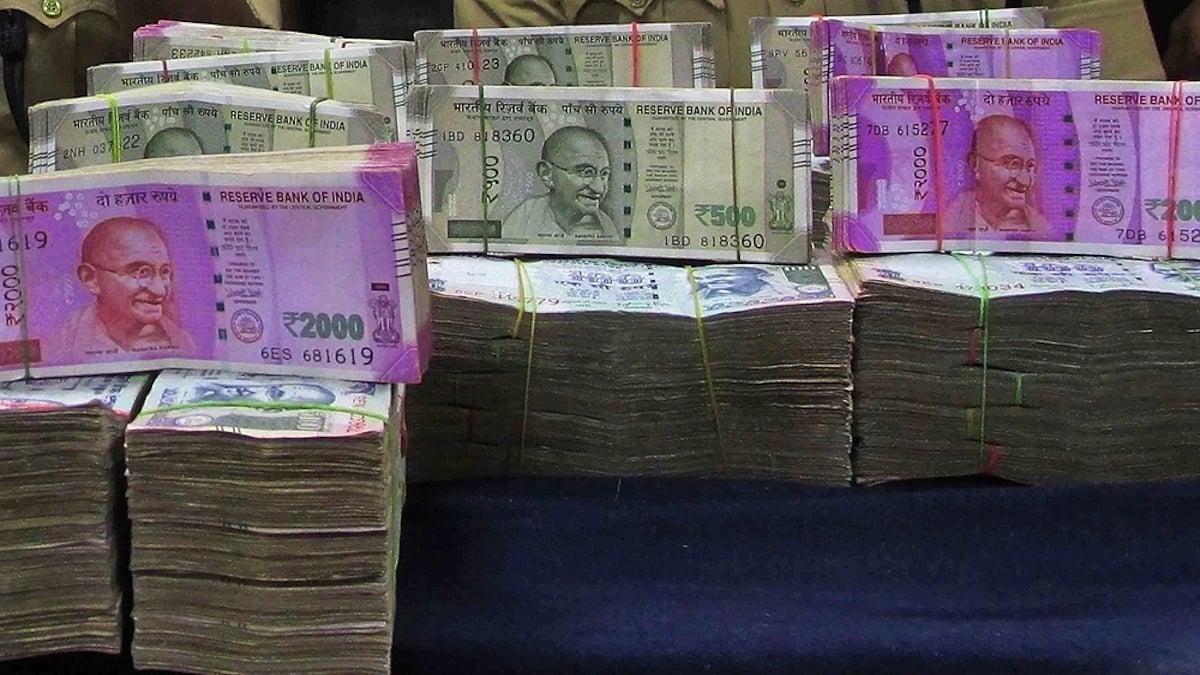
The rupee saw sharp volatility in early trade on Wednesday, with support from softer crude oil prices being countered by uncertainty surrounding an India–US trade deal and continued foreign fund outflows.
Forex market participants said persistent selling by foreign portfolio investors (FPIs) across equity and debt markets has been the dominant factor weighing on the domestic currency in December. They noted that overseas investors have been offloading Indian assets worth several billion dollars almost daily in recent months, with the pace of selling intensifying over the past two months.
At the same time, the rupee found some support from easing crude oil prices. Brent crude, the global benchmark, has been hovering close to multi-year lows near USD 59 per barrel, helping cushion the currency at lower levels.
In the interbank foreign exchange market, the rupee opened weaker at 91.05 against the US dollar, down 12 paise from the previous close. However, it staged a sharp recovery, rising as much as 97 paise to an early high of 89.96 before trading at 90.18 against the dollar around mid-morning.
On Tuesday, the local unit had slipped below the 91 mark, touching an intraday low of 91.14 before settling at 90.93 against the US currency.
The dollar index, which measures the greenback’s strength against a basket of six major currencies, was trading 0.17 per cent higher at 98.31, adding to pressure on emerging market currencies.
Brent crude was quoted at around USD 59.54 per barrel in futures trade, with traders attributing the decline to record non-OPEC supply, weak economic data from China and optimism over a possible ceasefire in Ukraine.
Meanwhile, Minister of State for Finance Pankaj Chaudhary told Parliament on Tuesday that the depreciation of the rupee during the current financial year has been influenced by a widening trade deficit and uncertainty linked to developments around India’s trade negotiations with the United States, along with relatively weak capital inflows.
He said while a weaker currency could improve export competitiveness and support economic growth, it may also push up the cost of imports. The overall impact on domestic prices, he added, would depend on how much global commodity price movements are passed on to the local market.
Equity markets traded in positive territory, with the benchmark Sensex rising 146.09 points to 84,825.95, while the Nifty gained 62.05 points to 25,922.15.
Exchange data showed that Foreign Institutional Investors sold equities worth Rs 2,381.92 crore on Tuesday, continuing the trend of sustained outflows.
According to Anil Kumar Bhansali, Head of Treasury and Executive Director at Finrex Treasury Advisors LLP, the rupee could gradually weaken further in the coming days. He said the absence of any clear progress on an India–US trade deal, coupled with pressure on equities, could push the currency towards the 92 level in the near term.
With PTI inputs
Join our official telegram channel (@nationalherald) and stay updated with the latest headlines