Economy
Tariff deal raises fresh fears for Indian agriculture as details remain opaque
For decades, powerful US farm lobbies have pressed Washington to pry open India’s protected agricultural market
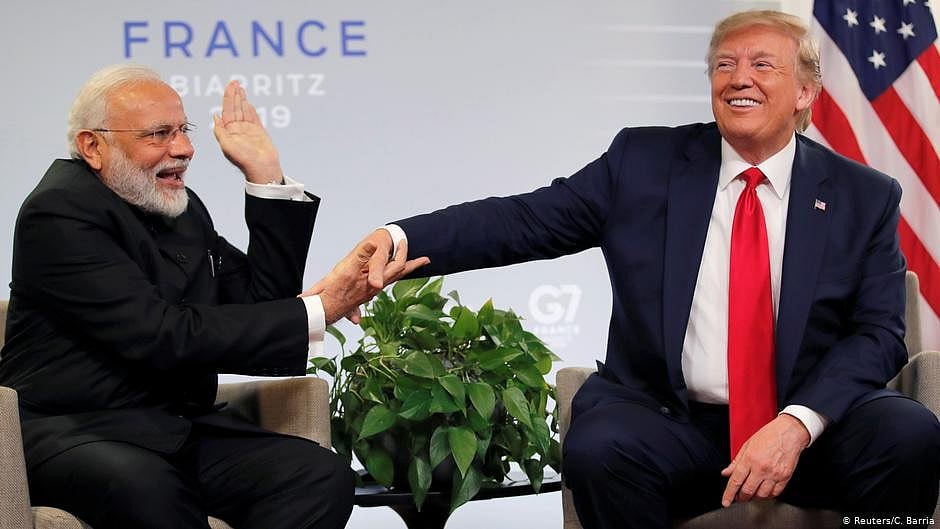
Even as the government and market cheerleaders project the proposed India-US tariff deal as a breakthrough, its implications for Indian agriculture remain deeply uncertain—and potentially troubling.
With no official text, joint statement or negotiated document in the public domain so far, it is impossible to say with clarity what India has conceded and what it has gained. But signals emerging from Washington are already ringing alarm bells for farm sector.
The strongest hint came not from New Delhi but from the United States.
In a post on X, US Agriculture Secretary Brooke Rollins described the agreement as a “big win for US farmers,” thanking President Donald Trump for a deal that would “export more American farm products to India’s massive market… pumping cash into rural America.” The message was unambiguous about who stands to benefit. For Indian farmers, however, the post raises uncomfortable questions.
If India has indeed agreed to open its agricultural markets, as the US claims, the consequences could be severe. Indian farmers, most of whom operate on small landholdings with limited state support, are in no position to compete with heavily subsidised American agriculture. Cheap imports of corn, soybean oil, almonds, apples or dairy products could undercut domestic prices, threatening rural incomes across large parts of the country.
Experts warn that agriculture could emerge as the “sacrificial lamb” of a deal otherwise projected as beneficial for sectors like textiles and jewellery. Ajay Srivastava of the Global Trade Research Initiative cautions against premature celebration. “Until there is a joint statement, negotiated text, and clarity on enforceability, this should be treated as a political signal—not a concluded trade deal. Caution, not celebration, is warranted,” he said.
For decades, powerful US farm lobbies have pressed Washington to pry open India’s protected agricultural market. Successive Indian governments, cutting across party lines, have resisted this pressure, citing food security concerns, rural livelihoods and the political sensitivity of farming. Agriculture still supports a majority of India’s workforce and contributes over 18% to Gross Value Added, making it too important to gamble with.
Recent developments have added to the unease. Only days ago, after India signed a trade agreement with New Zealand, officials had insisted that sensitive sectors like dairy would remain off-limits. Now, signals from the US suggest that this red line may be shifting.
Political voices are already demanding transparency. “Has our government opened the door for US agriculture imports?” asked Yogendra Yadav, calling on the Centre to come clean in Parliament.
Until the fine print is made public, Indian agriculture remains suspended between assurance and anxiety—caught in a deal that promises gains elsewhere but threatens to extract its highest price from farmers who have little left to lose.
Join our official telegram channel (@nationalherald) and stay updated with the latest headlines