Environment
11,000 litres of milk dumped into Narmada, environmentalists see red
Tankers of milk were brought to riverbank and poured into water as an offering for purity, well-being and prosperity
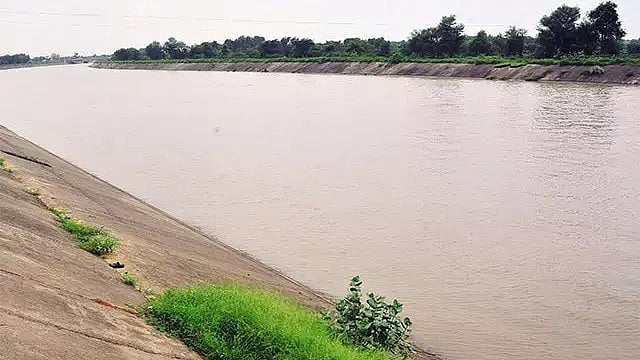
In a striking mix of devotion and controversy, nearly 11,000 litres of milk were poured into the Narmada River in Madhya Pradesh’s Sehore district as part of an elaborate religious ritual — an act that has raised concerns among environmentalists.
The offering marked the culmination of a 21-day spiritual event in Satdev village, located in the Bherunda area about 90 km from the district headquarters. The ceremony concluded with a grand mahayagna on Wednesday, drawing large crowds of devotees who gathered along the riverbank amid chants and rituals.
Organisers described the act as one of faith and sanctification. Tankers carrying milk were brought to the riverbank, where the contents were ceremonially poured into the flowing water as an offering for purity, the well-being of pilgrims, and prosperity.
However, the ritual has drawn criticism from environmental experts, who warn that such large-scale dumping of organic material into a river ecosystem can have serious consequences.
They note that milk, despite its religious significance, acts as a strong organic pollutant when released in large quantities into natural water bodies. Its decomposition can reduce dissolved oxygen levels, harming aquatic life and disturbing the ecological balance. The effects, they add, can also impact communities that depend on the river for drinking water and daily use.
Experts stress that such practices can lead to eutrophication, deteriorating water quality and potentially making it unsafe for consumption.
Originating from Amarkantak, the Narmada flows over 1,300 km through Madhya Pradesh, Maharashtra and Gujarat before emptying into the Arabian Sea. It serves as a vital water source for millions, supporting irrigation, livelihoods and ecosystems.
The incident highlights an ongoing challenge — balancing deeply rooted religious traditions with the need to protect fragile natural ecosystems.
With PTI inputs
Join our official telegram channel (@nationalherald) and stay updated with the latest headlines