Environment
Here's why hidden costs of AI boom fuel data centre backlash
Rapid expansion of energy-hungry facilities is fuelling protests and political opposition, even as tech firms tout investment, jobs and economic benefits
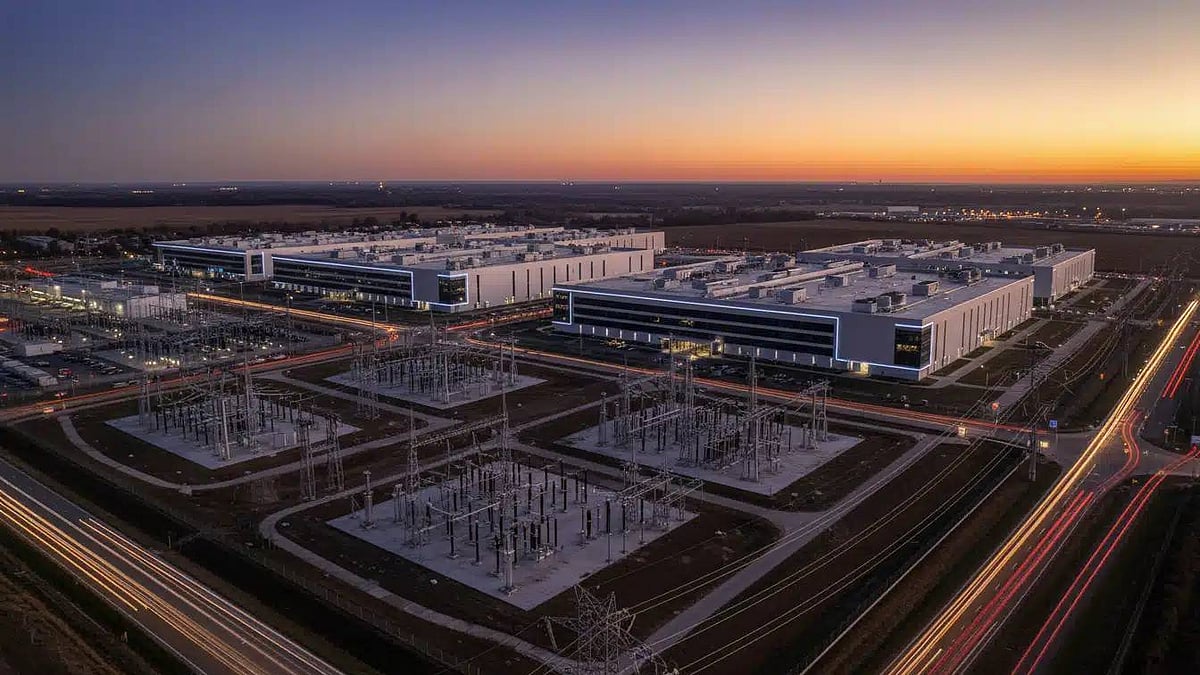
The rapid expansion of data centres to power artificial intelligence is fuelling a global backlash over electricity consumption, water use, pollution and the impact on local communities, according to a BBC report.
These warehouse-sized facilities house the servers and advanced computer chips that underpin online services, from web searches and emails to AI chatbots. Their growing demand for computing power has accelerated construction worldwide, prompting concerns about pressure on power grids, rising energy costs and environmental damage.
There are around 12,250 data centres globally, according to Data Center Map, up from approximately 8,000 operational sites in 2021. The United States has the largest number, with 4,767, followed by concentrations across Europe and Asia.
The US also leads in installed capacity, at 53.73 gigawatts (GW), ahead of China at 31.90 GW. The European Union has 11.92 GW, while India has 3.55 GW and the UK 2.59 GW, according to figures cited by the BBC.
Growing environmental concerns
Data centres can consume large amounts of electricity and water, with experts warning that their expansion could strain local resources. Global electricity consumption by data centres is estimated to exceed that of France, while rising demand is putting pressure on power networks and could contribute to higher energy prices.
The facilities also require substantial land and cooling infrastructure. As projects grow in scale, more are being built in rural areas, where their effects on surrounding communities and the environment have become a source of concern.
One example is the Colossus 2 data centre campus being developed by Elon Musk’s xAI. The facility is expected to house hundreds of thousands of advanced Nvidia AI chips and will use 41 methane gas turbines to help power the site. Activists have warned that the turbines could significantly increase local air pollution, while regulators say they will meet air quality standards.
Opposition is increasingly affecting policy debates. In the US, 16 states have proposed laws to ban or temporarily block new data centres, making the issue a potential factor in the midterm elections on 3 November. Opposition has also emerged in countries including Mexico, France, Indonesia and the UK.
US President Donald Trump has dismissed resistance to data centre expansion as a “sick conspiracy”, even as concerns grow among communities and political leaders.
Industry points to economic benefits
Technology companies and other supporters argue that data centres are essential for AI development and national security. They also point to investment, tax revenues and employment opportunities, particularly during construction.
However, a report by the Brookings Center cited by the BBC found that data centres generate fewer local jobs than industry advocates often claim. The benefits also vary by facility type: large hyperscale centres owned and operated by technology companies tend to have a greater positive effect on local employment than colocation facilities, which rent space to remote customers without necessarily establishing a substantial local presence.
Despite the growing opposition, investment in AI infrastructure continues to rise. The technology industry is expected to spend a combined $765 billion on AI infrastructure in 2026, with expenditure projected to exceed $1 trillion next year.
As concerns over environmental costs intensify, companies and researchers are exploring alternatives, including placing data centres in space or on the Moon to harness solar energy. Another possibility is to shift more AI processing to hardware in personal computers and smartphones, potentially reducing demand for enormous centralised facilities.
For now, however, the rapid rollout of data centres is continuing, while disputes over their costs and benefits intensify.
Join our official telegram channel (@nationalherald) and stay updated with the latest headlines