Environment
Fossil fuel firms may face global climate tax under proposed UN framework
Developing nations seek stronger ‘polluter pays’ rules as talks resume on international tax cooperation
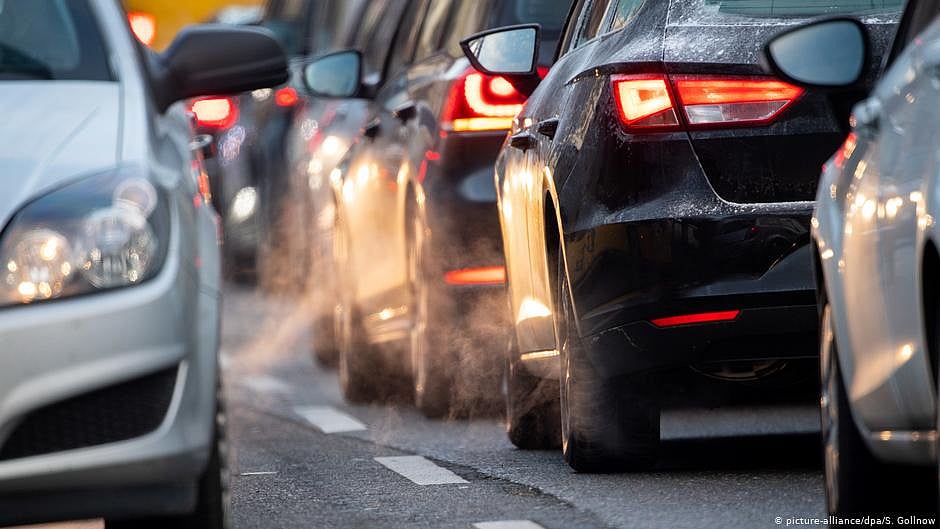
Fossil fuel companies could be required to contribute towards climate-related damage and the world’s ultra-rich subjected to a global wealth tax under proposals being negotiated as part of a new international tax framework at the United Nations, with negotiations resuming at UN headquarters on Monday.
The talks are focused on the proposed Framework Convention on International Tax Cooperation, a treaty intended to establish global rules to curb tax avoidance, improve resource mobilisation for developing countries, and explore mechanisms for taxing polluting industries and high-net-worth individuals more effectively.
Dozens of countries have backed the idea of stronger international tax rules, including provisions that would require major fossil fuel producers to bear part of the costs of climate damage linked to their activities. However, several developing nations have expressed concern that the latest draft of the convention lacks sufficient strength and clarity.
Proposals explicitly linking fossil fuel profits to climate damage compensation have been softened in recent negotiations, while plans for a global asset registry — aimed at tracking and taxing the wealth of the ultra-rich — have been removed from the draft text, negotiators said.
Jamaica’s lead delegate Marlene Nembhard Parker said climate disasters were highlighting the urgency of stronger provisions. Referring to Hurricane Melissa, which she said wiped out the equivalent of 40 per cent of Jamaica’s gross domestic product overnight, Parker called for clearer commitments on environmental taxation.
She said the draft needed to establish stronger links between sustainable development, climate change and taxation, particularly for countries and industries most responsible for historical emissions. Climate-linked taxation, she added, was essential to help vulnerable nations rebuild without becoming increasingly dependent on debt.
The convention, first proposed by African countries in 2022, could be adopted as early as the end of next year if member states can bridge differences over its scope and enforcement mechanisms. Supporters say it would mark a significant shift in global tax governance by giving all countries an equal voice, unlike existing forums dominated by advanced economies.
Progress has been slow, with the United States withdrawing from the negotiations. Some wealthy countries have also argued that international tax matters should continue to be discussed within the Organisation for Economic Co-operation and Development (OECD), whose membership is largely restricted to developed economies.
Campaigners and civil society groups argue that the UN-led process is necessary to address widening global inequality and climate vulnerability. According to the Tax Justice Network, countries lose an estimated $492 billion annually due to tax avoidance by multinational corporations and wealthy individuals through the use of tax havens.
The network has also pointed to the sharp rise in profits earned by oil and gas companies in recent years, particularly following the surge in energy prices after Russia’s invasion of Ukraine. Estimates by advocacy groups suggest that a 20 per cent surtax on the profits of the world’s 100 largest fossil fuel producers could have generated more than $1 trillion in the decade since the 2015 Paris climate agreement.
Tuvalu’s permanent representative to the UN Tapugao Falefou said responsibility for climate damage lay with the world’s largest polluters, warning that small island nations faced existential threats from rising sea levels and extreme weather.
While many countries already impose domestic taxes on fossil fuel consumption, only nations hosting extractive industries can directly tax production, limiting the effectiveness of national measures. Supporters of the convention argue that a coordinated global framework would help overcome these constraints.
Similar challenges exist for wealth taxation, with many governments reluctant to act unilaterally for fear of capital flight. Advocates say a multilateral agreement on minimum wealth taxes could mitigate such concerns, with some estimates suggesting an annual levy of up to five per cent on the ultra-rich could raise around $1.7 trillion globally.
The UK government said it remained actively engaged in the UN tax negotiations and supported efforts to strengthen international tax cooperation, including the “polluter pays” principle.
Negotiators are expected to continue discussions this week on the scope of the convention, enforcement mechanisms and whether climate-linked taxation should form a core component of the final treaty.
Join our official telegram channel (@nationalherald) and stay updated with the latest headlines