Environment
UK appoints climate security envoy as island nations warn of existential threat
At COP31 summit, leaders call for urgent climate action and greater financial support for vulnerable countries as a report warns that global efforts have stalled
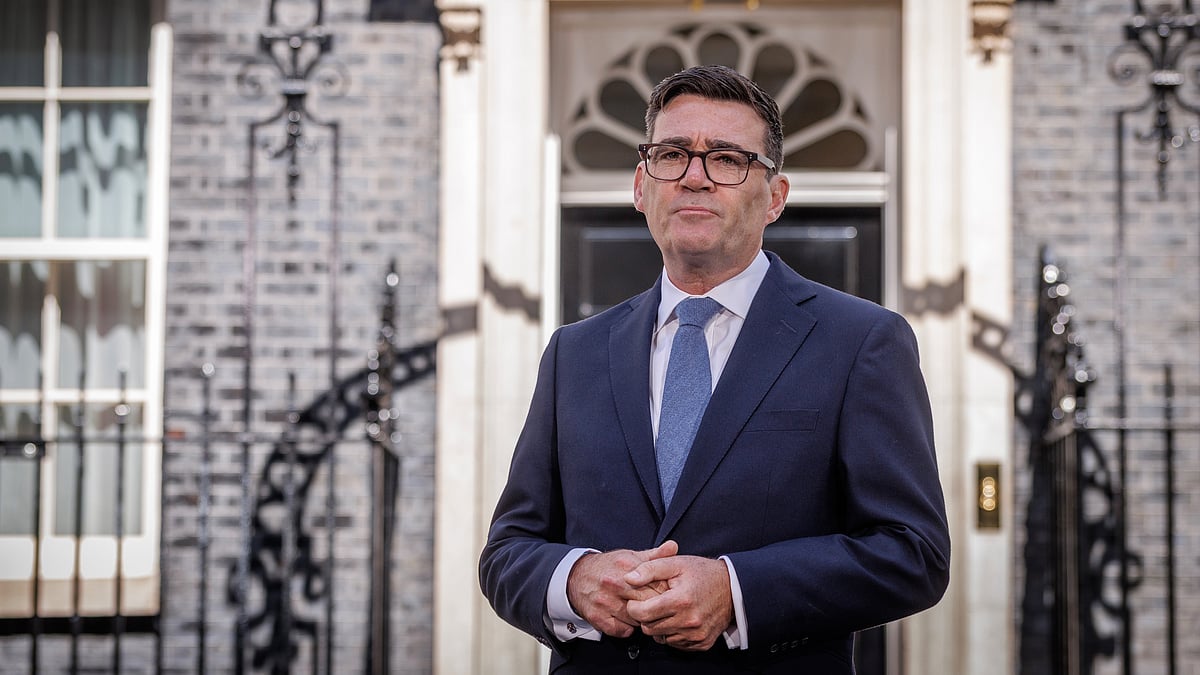
The United Kingdom on Thursday appointed a special representative for climate security as leaders of small island nations warned that climate change posed an immediate threat to their survival at the UN climate summit in Turkey.
British Prime Minister Andy Burnham announced the appointment of Madeleine Alessandri to address security risks arising from the climate crisis, describing climate change as a national security issue.
“The climate crisis is not a distant threat. It is upon us all now devastating lives and livelihoods everywhere,” Burnham said at the summit in Antalya.
He added that Britain would place climate resilience high on the agenda when it assumes the G20 presidency next year.
The appointment follows a British government assessment earlier this year that warned climate-driven damage to ecosystems could disrupt food supplies, fuel conflict and increase migration. The UK imports around 40 per cent of its food, making it vulnerable to disruptions in global supply chains.
The announcement came as leaders of island nations called for urgent action, saying rising sea levels, storms and floods were threatening their economies, security and territorial survival.
Alix Sebastien Pillay, vice-president of Seychelles, said climate action was no longer merely an environmental concern but a matter of national security and survival.
“It is time to move past the talking,” he said, adding that Seychelles was facing millions of dollars in damage from storms and floods despite contributing little to global greenhouse gas emissions.
Pillay called for an urgent strengthening of the UN fund created to compensate countries for climate-related loss and damage. He said recovery efforts should not come at the expense of development or push vulnerable countries further into debt.
Dalton Tagelagi, prime minister of the Pacific island nation of Niue, pointed to unusually high sea temperatures in the central Pacific as a warning of the consequences of unchecked global warming.
“Sea temperatures in the central Pacific are more than three degrees above normal. It is a warning of what is coming if we do not cut emissions now,” he said.
Climate action stalls for five years
The warnings came as a report by the independent Climate Action Tracker said global efforts to limit warming had effectively stalled for five consecutive years, with progress in some areas offset by setbacks elsewhere.
The report said climate action during the first five years after the 2015 Paris Agreement had reduced projected global warming by around 1 degree Celsius. However, projections had not improved since then.
The world was now headed towards an “irrecoverable overshoot” of the 1.5-degree Celsius warming threshold agreed under the Paris Agreement, it said.
Even if countries fulfil all their existing climate commitments, global temperatures could rise by 2.6 degrees Celsius above pre-industrial levels by the end of the century, according to the assessment.
Sarah Heck, a climate policy analyst at Climate Analytics and the report's lead author, said the latest commitments had failed to significantly change projected warming levels.
“Countries really do need to strengthen their targets,” she said.
Climate change is primarily driven by greenhouse gas emissions from burning fossil fuels such as coal, oil and gas. Countries set national plans, known as nationally determined contributions, to reduce these emissions, but their targets and timelines vary.
Developing nations seek climate finance
Leaders from countries particularly vulnerable to climate impacts also called for greater financial support from wealthier nations to help them adapt and recover from disasters.
Pakistan Prime Minister Shehbaz Sharif said the climate crisis recognised no national boundaries and called for solidarity backed by concrete action.
He cited the devastating 2022 floods in Pakistan, which submerged more than a third of the country, killed thousands of people and caused damage estimated at over $30 billion.
Marshall Islands President Hilda Heine, speaking a day earlier, criticised the expansion of fossil fuel production, saying every new oil well and coal extraction project threatened her country's future.
She recalled seeing coral reefs that had once been bright and lush turn white due to bleaching. Heine said the global response to the prospect of crossing the 1.5-degree warming threshold needed to be overwhelming.
Barbados Prime Minister Mia Mottley also urged wealthy countries to deliver on their climate finance commitments rather than make fresh promises.
“Pledges are not payments,” she said, adding that even the promised contributions were now 70 per cent below previous levels.
“The applause in this room, let us be clear, has never rebuilt a single home in any country,” Mottley said.