Environment
Unseasonal fog, rising heat, deepening air pollution hit Delhi-NCR
According to IMD, the capital records a maximum temperature of 37°C, while the minimum settled at around 18°C
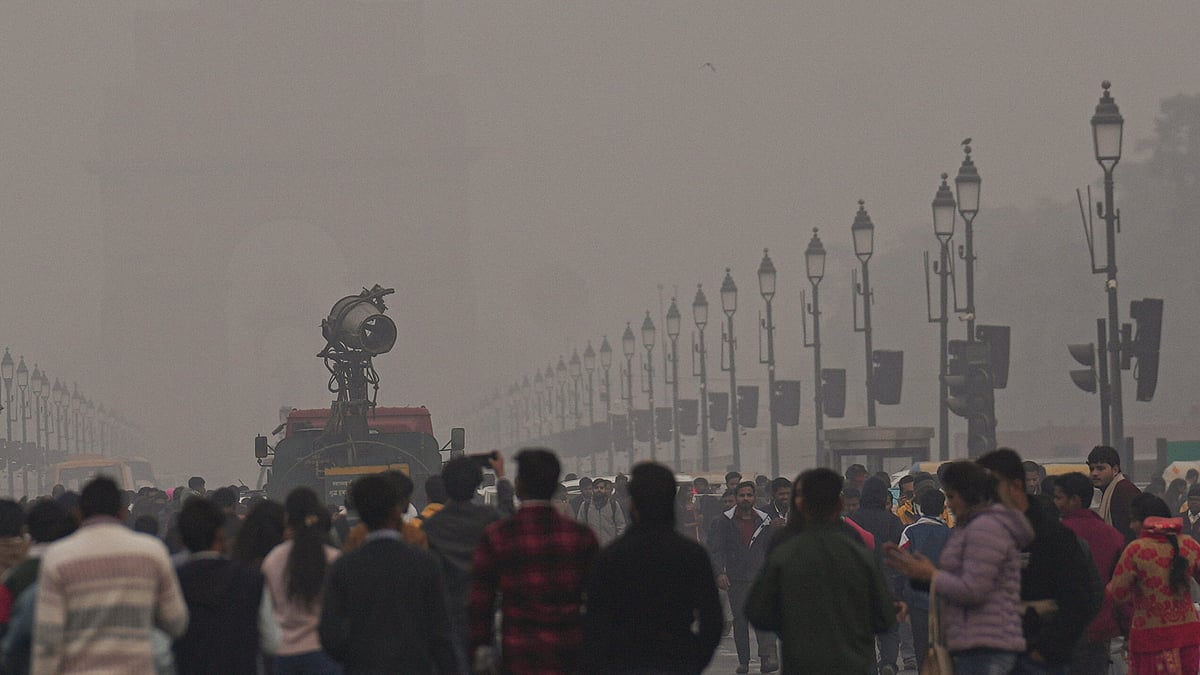
A strange and unsettling blend of weather patterns has gripped the National Capital Region, leaving residents to navigate a day that begins in murky fog and ends in unseasonable heat under a haze-laden sky. What should have been the mild calm of early March has instead unfolded as a troubling mix of reduced visibility, rising temperatures and hazardous air pollution, making daily life increasingly uncomfortable across the region.
In the early hours, a thick blanket of fog draped over the skyline of Delhi, blurring roads and slowing traffic as commuters struggled through the grey veil. Yet as the day advanced, the atmosphere shifted dramatically, with temperatures soaring to levels more typical of late spring than the opening days of March.
According to the India Meteorological Department (IMD), the capital recorded a maximum temperature of 37°C, while the minimum settled at around 18°C. Humidity also swung sharply through the day, falling from a dense 88 per cent in the morning to nearly 45 per cent by afternoon, adding to the sense of atmospheric instability.
Meteorologists say the coming days are unlikely to bring relief. The IMD has forecast clear skies and dry weather on March 12 and 13, with maximum temperatures expected to hover near 35°C while minimum temperatures remain close to 18°C. The unusually early arrival of summer-like heat has compounded the discomfort of residents already grappling with deteriorating air quality.
Across the region, pollution levels have surged to worrying heights. The Air Quality Index in several areas has slipped into the “very poor” and even “severe” categories, raising fresh alarms about public health. Experts warn that sustained exposure to such toxic air can aggravate respiratory illnesses and trigger long-term health complications.
Among the worst affected areas is Greater Noida, where the monitoring station at Knowledge Park-V recorded a staggering AQI of 429 — firmly within the “severe” bracket. Nearby Knowledge Park-III reported similarly grim conditions with an AQI of 301.
In neighbouring Noida, pollution levels remain equally troubling. Sector 116 registered the highest AQI at 362, followed by Sector 125 at 335, Sector 1 at 304 and Sector 62 at 262.
The grim pattern extends into Ghaziabad, where the locality of Loni emerged as the most polluted with an AQI of 358. Sanjay Nagar recorded 334, Vasundhara 317 and Indirapuram 326, underscoring the region-wide spread of hazardous air.
Within the capital itself, the historic trading hub of Chandni Chowk topped the list of polluted areas with an AQI of 390, closely followed by Anand Vihar at 388. Industrial belts such as Bawana and Alipur both recorded AQIs of 312, while Burari Crossing touched a concerning level of 300. In contrast, relatively cleaner pockets such as Aya Nagar and the Delhi Cantonment area reported AQIs of 206 and 214 respectively — still poor, but less alarming by comparison.
Adding to the region’s environmental puzzle, residents woke on Tuesday to an unexpected veil of haze and fog despite the rising temperatures. Early speculation on social media linked the phenomenon to fires sparked by attacks on Iran’s oil infrastructure. However, weather experts quickly dismissed such claims.
Meteorologists say the haze was more likely the result of dust-laden winds sweeping in from the arid expanses of the Thar Desert in Rajasthan and parts of Balochistan, carrying fine particles that mingled with local pollution to create the murky skies.
Historical data from the IMD also underscores how unusual the current heat is. On 8 March, Delhi’s temperature crossed 35°C — the earliest such spike recorded in at least 15 years — a sign of the shifting climate patterns that are making seasonal transitions increasingly unpredictable.
For residents across the Delhi-NCR belt, the days ahead promise little respite. With heat intensifying, fog blurring the mornings and pollution thickening the air, the region finds itself caught in a troubling atmospheric convergence. Experts are urging both authorities and citizens to remain cautious and adopt protective measures as the capital navigates this challenging stretch of weather.
With IANS inputs
Join our official telegram channel (@nationalherald) and stay updated with the latest headlines