Environment
US caused $10 trillion in global climate damage since 1990: Study
Research quantifies ‘loss and damage’ impact; India among worst-hit countries
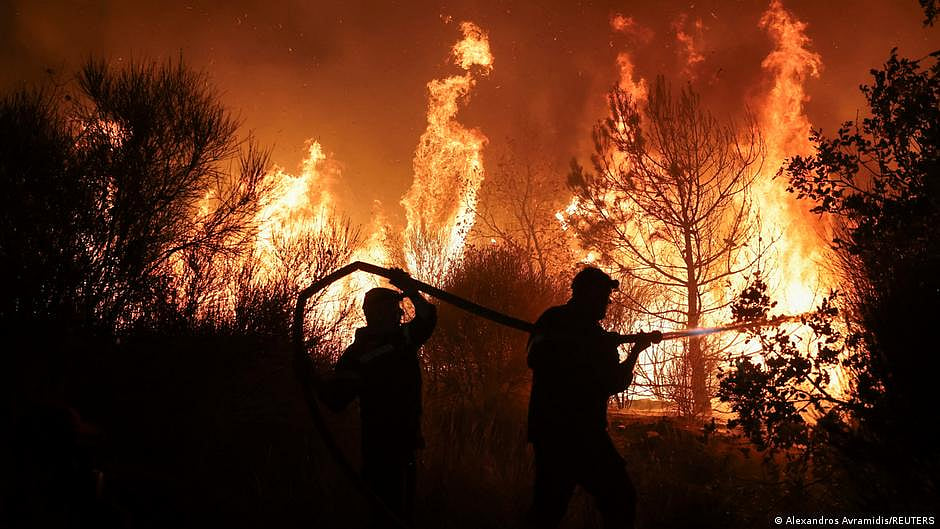
The United States has caused an estimated $10 trillion in global economic damage due to climate change since 1990, making it the single largest contributor to worldwide losses from rising temperatures, according to a new study published in Nature journal.
The research, led by Stanford University scientist Marshall Burke, attempts to quantify the economic impact of global warming by linking emissions from major countries to declines in global GDP over three decades.
US biggest contributor to climate damage
The study found that the US, historically the largest emitter of greenhouse gases, has inflicted more economic harm than any other country, ahead of China, which is estimated to have caused around $9 trillion in damage since 1990.
About 25 per cent of the economic losses attributed to US emissions have been borne domestically, while the rest have disproportionately affected other countries, particularly poorer nations.
India alone is estimated to have suffered around $500 billion in economic losses, while Brazil incurred losses of about $330 billion due to US emissions, the study said.
“These are huge numbers… our emissions have caused damage not only to ourselves, but pretty substantial damage in other parts of the world,” Burke said.
‘Loss and damage’ debate gains traction
The study focuses on the concept of “loss and damage”, which refers to the economic and social harm caused by climate change, including heatwaves, floods, droughts and declining agricultural productivity.
Developing countries have long argued that wealthier nations — which historically emitted the bulk of greenhouse gases — should compensate vulnerable nations for climate-related damages.
The research highlights how rising temperatures reduce economic productivity over time, with cumulative effects significantly impacting growth.
“If you accumulate those effects over 30 years… you get a really large change. It’s like death by a thousand cuts,” Burke said.
Disproportionate impact on poorer nations
Experts say the burden of climate damage is unevenly distributed, with poorer countries suffering more despite contributing less to global emissions.
Frances Moore, a climate economist at the University of California, Davis, said the study may still underestimate the true human impact.
“The consequences for wellbeing of a very poor person losing a dollar are much larger than for a much richer person,” she noted.
Policy implications and US stance
The findings come amid ongoing global debates over climate accountability and financing mechanisms.
The US has historically resisted legal liability for climate damage and has taken steps in recent years to withdraw from certain global climate commitments, including a loss and damage funding mechanism aimed at supporting vulnerable nations.
The study underscores growing calls for major emitters to take greater responsibility for climate impacts, both domestically and internationally.
Join our official telegram channel (@nationalherald) and stay updated with the latest headlines