World
Netanyahu seeks dismantling of Iran’s nuclear infrastructure as US talks resume
Netanyahu’s remarks are his first detailed account of his seventh meeting with Trump since the US president’s return to office
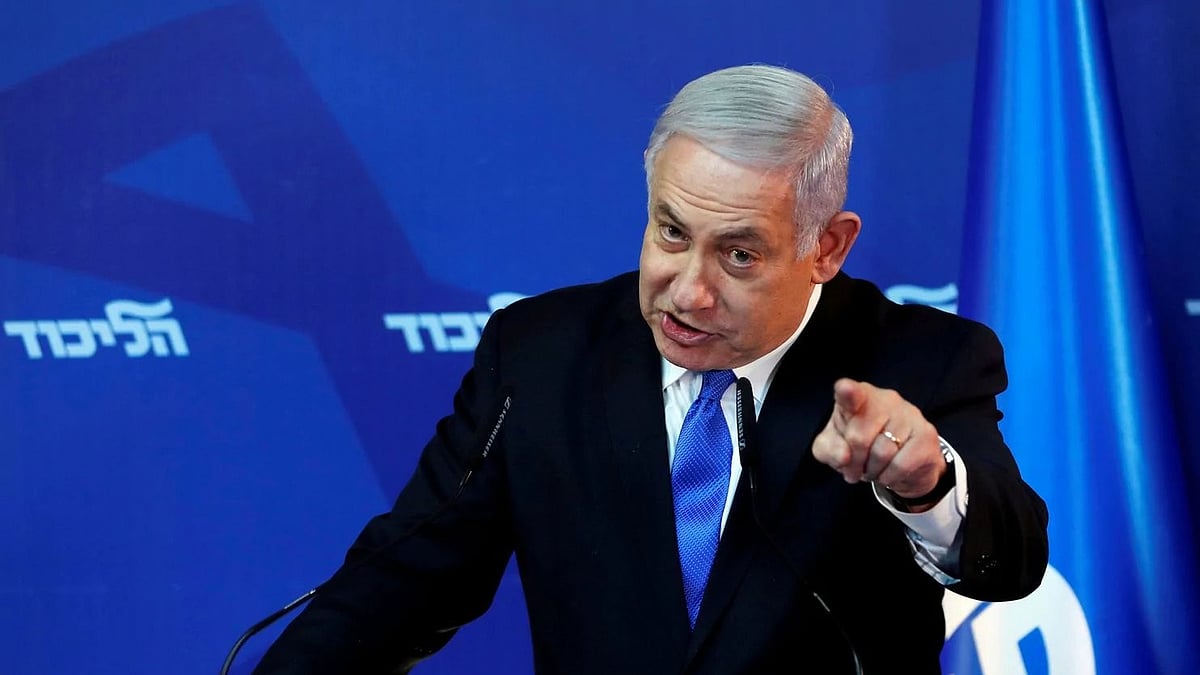
Israeli Prime Minister Benjamin Netanyahu has laid out a sweeping set of conditions he believes must underpin any future agreement between the United States and Iran, demanding nothing short of the dismantling of Tehran’s nuclear infrastructure as fresh diplomatic efforts gather pace, the Al Jazeera reported.
Speaking on Sunday at the annual conference of presidents of Major American Jewish Organisations, Netanyahu struck a sceptical note about the prospects of a deal but revealed that he had conveyed his red lines to US President Donald Trump during talks in Washington last week.
“The first is that all enriched material has to leave Iran,” Netanyahu said, outlining what he described as essential safeguards.
“The second is that there should be no enrichment capability — not merely halting the process, but dismantling the equipment and infrastructure that make enrichment possible in the first place.”
A third pillar, he added, must address Iran’s ballistic missile programme, alongside what he termed “real, substantive inspections” — not perfunctory visits with advance notice, but intrusive and effective oversight of Tehran’s nuclear activities.
His remarks came as Iranian foreign minister Abbas Araghchi travelled to Switzerland for a second round of nuclear talks with US officials, part of a renewed diplomatic push after months of escalating hostilities.
Iran and the United States resumed negotiations in Oman on 6 February, following the collapse of earlier talks last year when Israel launched an unprecedented bombing campaign against Iranian targets, igniting a brief but intense 12-day conflict. The US subsequently joined the assault, striking three Iranian nuclear sites.
Netanyahu’s public comments mark the first detailed account of his latest discussions with Trump, their seventh meeting since the US president returned to office. Trump told reporters afterwards that no “definitive” course had been charted but insisted negotiations should continue “to see whether or not a deal can be consummated”.
According to a report by Axios, the two leaders agreed on the ultimate objective — an Iran permanently barred from acquiring nuclear weapons — but differed sharply on how to achieve it. While Netanyahu reportedly warned that a viable agreement would be impossible, Trump was said to have urged caution and persistence: “Let’s give it a shot.”
The report also said the pair discussed tightening economic pressure on Tehran, particularly by targeting its oil exports to China, which account for more than 80 per cent of Iran’s crude sales abroad.
Meanwhile, CBS reported that Trump had privately assured Netanyahu during a December meeting in Florida that he would support Israeli strikes on Iran’s ballistic missile programme if diplomacy failed. Neither Washington nor Jerusalem immediately commented on the claim.
For its part, Tehran has consistently denied any ambition to develop nuclear weapons, while signalling a willingness to negotiate limits on its atomic programme in exchange for sanctions relief. However, Iranian officials have firmly rejected any linkage between nuclear talks and their missile capabilities.
The renewed diplomatic overtures unfold against a backdrop of mounting regional tensions. Trump has threatened fresh military action and dispatched additional US naval forces to the Middle East, including a second aircraft carrier, signalling readiness should talks falter.
“In case we don’t make a deal, we’ll need it,” Trump said of the deployment. “If we need it, we’ll have it ready.”
He also openly mused about the prospect of regime change in Tehran, saying it “seems like that would be the best thing that could happen”.
Iran has responded with stern warnings of retaliation, vowing to strike US bases across the region if attacked.
As negotiations resume and warships converge on strategic waters, the Middle East once again stands at a precarious crossroads — suspended between the promise of diplomacy and the peril of a wider regional conflagration.
Join our official telegram channel (@nationalherald) and stay updated with the latest headlines