World
Buy US oil or protect Hormuz yourselves: Trump to oil-dependent nations
US shifts Hormuz burden to oil-dependent nations as Trump blames Iran for price surge
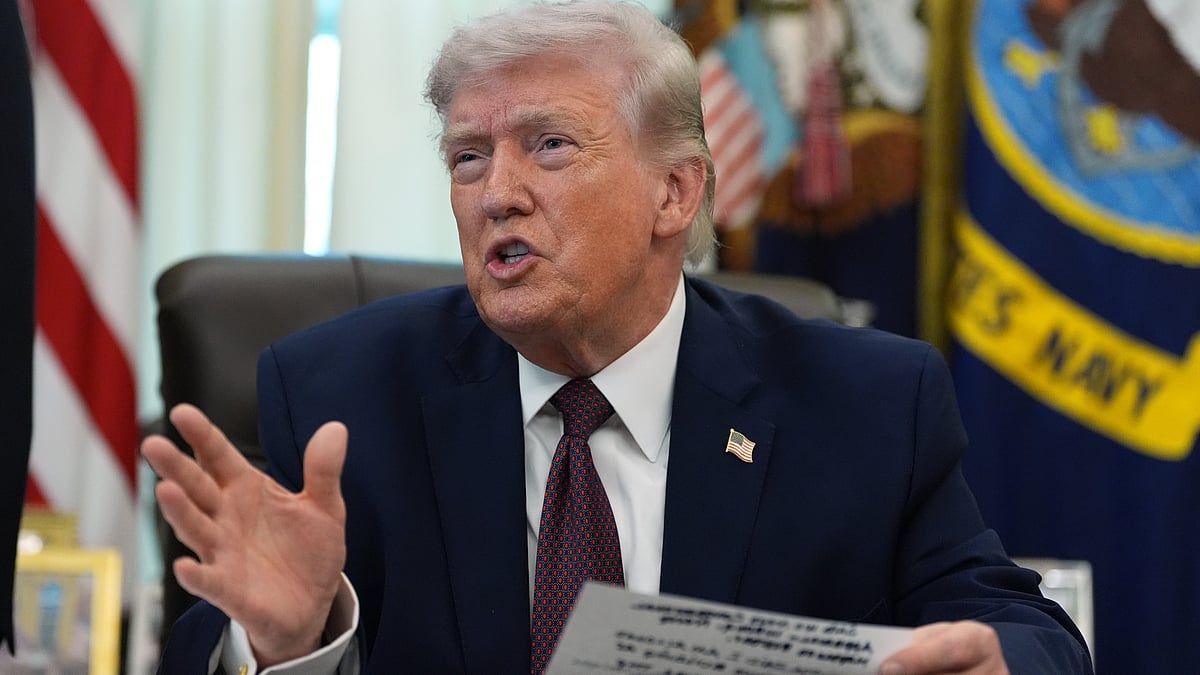
US President Donald Trump has said countries reliant on Middle Eastern oil must take responsibility for securing the Strait of Hormuz, blaming Iran for disruptions to global energy supplies and rising fuel prices — a charge Tehran has strongly rejected.
In a televised address on Wednesday night (local time), Trump accused Iran of triggering the spike in gasoline prices through attacks on commercial shipping. He said recent increases were “entirely the result” of what he described as “deranged terror attacks” on oil tankers and neighbouring countries.
The remarks come amid escalating tensions that have disrupted traffic through the Strait of Hormuz, a critical route for global crude shipments.
Trump warned that Iran’s actions had heightened risks to energy flows and reinforced Washington’s hardline stance. “This is yet more proof that Iran can never be trusted with nuclear weapons,” he said.
Signalling a shift in approach, Trump said the US would no longer bear the burden of securing key maritime routes alone. “They must take care of that passage… they must grab it and cherish it,” he said, referring to oil-dependent nations. He urged such countries to either buy American oil or take direct responsibility for protecting shipping lanes.
“Number one, buy oil from the United States… and number two, build up some delayed courage… go to the Strait and just take it, protect it,” he added.
Iran pushes back
Iran, however, dismissed Trump’s allegations, calling them “baseless” and politically motivated. Officials in Tehran said the US was attempting to shift blame for market instability while justifying its military posture in the region.
An Iranian foreign ministry spokesperson said insecurity in the Strait of Hormuz was a direct consequence of “provocative actions” by the US and its allies, not Iranian policy. Tehran has repeatedly denied targeting civilian shipping and warned that any escalation would further endanger global energy flows.
Iran also signalled that responsibility for safeguarding the waterway lies with regional countries, cautioning against what it described as external interference.
Energy stakes rise
Despite the tensions, Trump suggested disruptions would be temporary and tied to the course of the conflict, adding that Iran would eventually need to resume exports to rebuild its economy.
Highlighting US energy strength, he said domestic production would cushion global shocks and claimed the US is the world’s top producer of oil and gas. He also asserted that the US is largely insulated from Hormuz disruptions.
Global oil markets have reacted sharply, with prices climbing above $100 a barrel amid fears of prolonged supply constraints.
The Strait of Hormuz remains one of the world’s most critical energy chokepoints. For countries like India, which depend heavily on Gulf crude, continued volatility could directly impact inflation, trade balances and energy security.
With IANS inputs
Join our official telegram channel (@nationalherald) and stay updated with the latest headlines