World
Ebola crisis deepens in DR Congo as cases cross 1,500
According to DRC's latest report, 239 patients have recovered, while 628 remain in isolation or hospital care
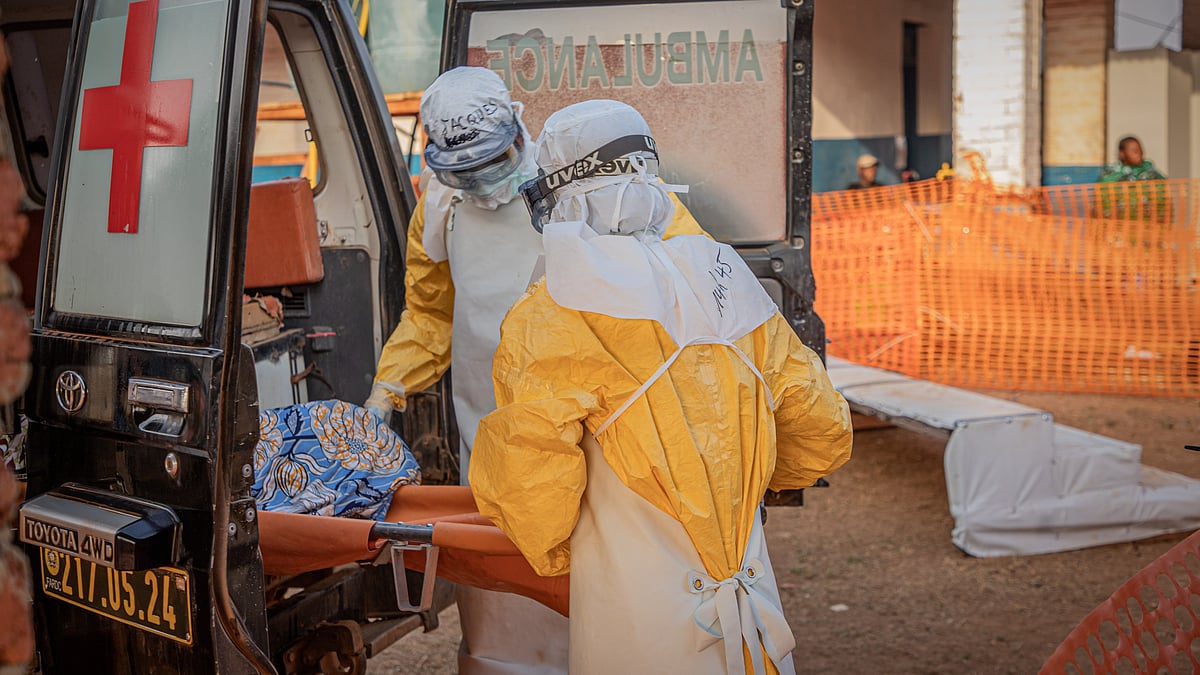
The Democratic Republic of the Congo (DRC) is grappling with its deadliest Bundibugyo Ebola outbreak on record, with confirmed infections climbing to 1,528 and the death toll rising to 492, as health authorities and the World Health Organization (WHO) warn that community transmission continues unabated.
According to the DRC's latest situation report released on Saturday, 239 patients have recovered, while 628 confirmed cases remain in isolation or hospital care. Health authorities have also identified 185 suspected cases, underscoring the continued strain on the country's healthcare system.
The outbreak has shown no signs of slowing. Officials said epidemiological weeks 25 and 26 each recorded more than 300 confirmed infections — the highest weekly totals since the outbreak began — highlighting sustained community spread.
The crisis has been compounded by a host of operational challenges. Authorities cited community resistance to post-mortem sampling, limited capacity at Ebola treatment centres, particularly in the conflict-hit eastern province of North Kivu, inadequate contact tracing, delays in laboratory diagnosis, shortages of medicines and infection-control supplies, and persistent insecurity that has hampered response efforts.
Speaking during an online media briefing, WHO Regional Director for Africa Mohamed Yakub Janabi described the situation as grave, saying transmission remains active in the eastern provinces of Ituri and North Kivu.
"The current outbreak is the largest Bundibugyo Ebola outbreak ever recorded," Janabi said.
WHO expert Pierre Akilimali said the outbreak is unfolding in regions plagued by armed conflict, making surveillance and contact tracing increasingly difficult. He noted that several affected areas in Ituri are active mining zones, where frequent population movement has heightened the risk of further transmission.
In a significant development, the WHO announced on Thursday that a clinical trial has begun in the DRC to evaluate potential treatments for Ebola caused by the Bundibugyo virus, a strain for which no approved vaccine or specific treatment currently exists.
The outbreak has also raised concerns beyond the DRC's borders. In neighbouring Uganda, WHO officials said the country had reported 20 confirmed Ebola cases as of Thursday, including 15 imported infections linked to the DRC. The remaining five locally infected patients were identified while in quarantine, and authorities said no community transmission has been detected.
To prevent the virus from spreading across borders, Uganda and the DRC have established a joint cross-border response mechanism and signed a memorandum of understanding to share surveillance data, strengthen border screening and enhance treatment capacity in vulnerable frontier regions.
With infections continuing to rise and insecurity complicating containment efforts, health officials warn that the coming weeks will be critical in determining whether the outbreak can be brought under control.
With IANS inputs
Join our official telegram channel (@nationalherald) and stay updated with the latest headlines