World
G7 to hold emergency meeting as oil surges above $100 amid Iran war
Energy markets rattled by disruption fears in Strait of Hormuz; strategic reserves release under discussion
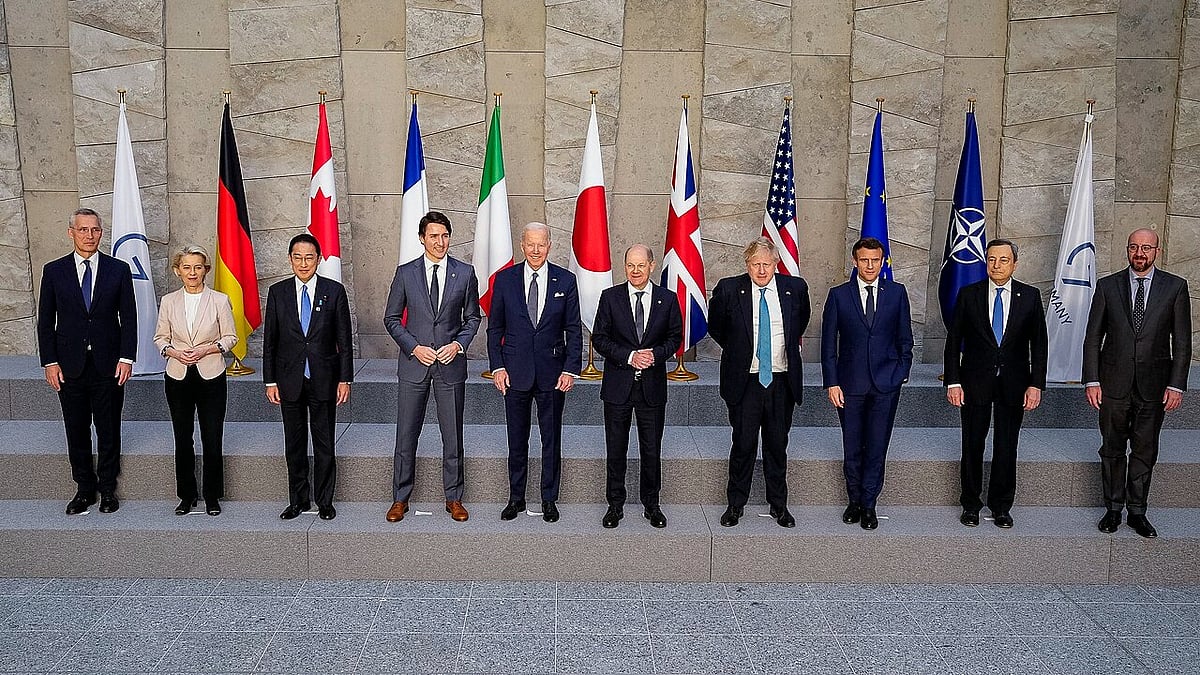
The Group of Seven (G7) nations will hold an emergency meeting on Monday to discuss the sharp surge in global oil prices and the wider economic impact of the escalating conflict involving the United States, Israel and Iran.
Finance ministers from the leading industrialised economies, including UK Chancellor Rachel Reeves, are expected to assess the economic fallout of the conflict as energy markets react to fears of supply disruptions in the Gulf region.
Oil prices surged sharply on Monday, with Brent crude briefly touching nearly $120 per barrel before easing back to around $102, while US West Texas Intermediate (WTI) crude traded near $101 a barrel. The spike triggered sell-offs in stock markets across the United States, Europe and Asia.
Supply fears linked to Strait of Hormuz
The surge in oil prices has been driven by concerns that the conflict could disrupt shipments through the Strait of Hormuz, a narrow maritime corridor between Iran and Oman that carries about one-fifth of the world’s oil supply.
Shipping traffic through the route has slowed significantly since the war intensified more than a week ago, raising fears of a prolonged supply disruption in global energy markets.
Energy infrastructure has increasingly become a target in the conflict. The United States and Israel carried out fresh airstrikes on Iranian targets over the weekend, including oil depots.
Iran, meanwhile, has targeted energy facilities in neighbouring Gulf states. Saudi Arabia said overnight that it had intercepted and destroyed two waves of drones heading towards a major oilfield.
Strategic reserves release being considered
Reports indicate that G7 countries may discuss the possibility of a coordinated release of petroleum from strategic reserves, under the supervision of the International Energy Agency (IEA).
If implemented, such a move would mark the first coordinated release of strategic oil reserves since 2022, when countries acted to stabilise markets after Russia’s full-scale invasion of Ukraine.
A major disruption to energy supplies from the Gulf could significantly increase fuel costs for consumers and businesses worldwide and potentially push up inflation.
Higher inflation could also complicate monetary policy decisions by central banks, potentially slowing or reducing expected interest rate cuts.
Markets react to escalating conflict
Energy markets had initially remained relatively calm following the outbreak of the conflict, despite concerns that millions of barrels of oil and liquefied natural gas could be trapped in the Gulf region.
However, intensified strikes over the weekend and damage to energy infrastructure in Iran and other parts of the region sharply increased market anxiety.
Analysts said the key uncertainty remains the duration of the conflict.
“The question everyone is asking themselves is, what is the duration of this conflict?” Paul Gooden, head of natural resources at NinetyOne Asset Management, told the BBC’s Today programme.
“The longer it goes on, the more nervous the oil markets are going to be,” he said.
Gooden added that prices could rise further if the conflict persists, potentially reaching $120 to $150 per barrel, a level at which global oil demand could begin to fall as consumers cut back on consumption.
Gas prices also jump
Natural gas markets have also reacted sharply to the conflict. In the United Kingdom, month-ahead gas prices surged nearly 25 per cent to 171 pence per therm at the start of trading on Monday before easing to about 149 pence per therm.
Gas prices have now almost doubled since the conflict with Iran began, although they remain significantly below the 640 pence per therm peak recorded in 2022 following Russia’s invasion of Ukraine.
The developments have heightened concerns about the stability of global energy supplies and the broader economic consequences of the escalating war in West Asia.
Join our official telegram channel (@nationalherald) and stay updated with the latest headlines