World
Starmer vows to stay on as Epstein links trigger crisis inside Labour govt
UK PM rejects resignation calls as party divisions deepen over Mandelson appointment and leadership judgment
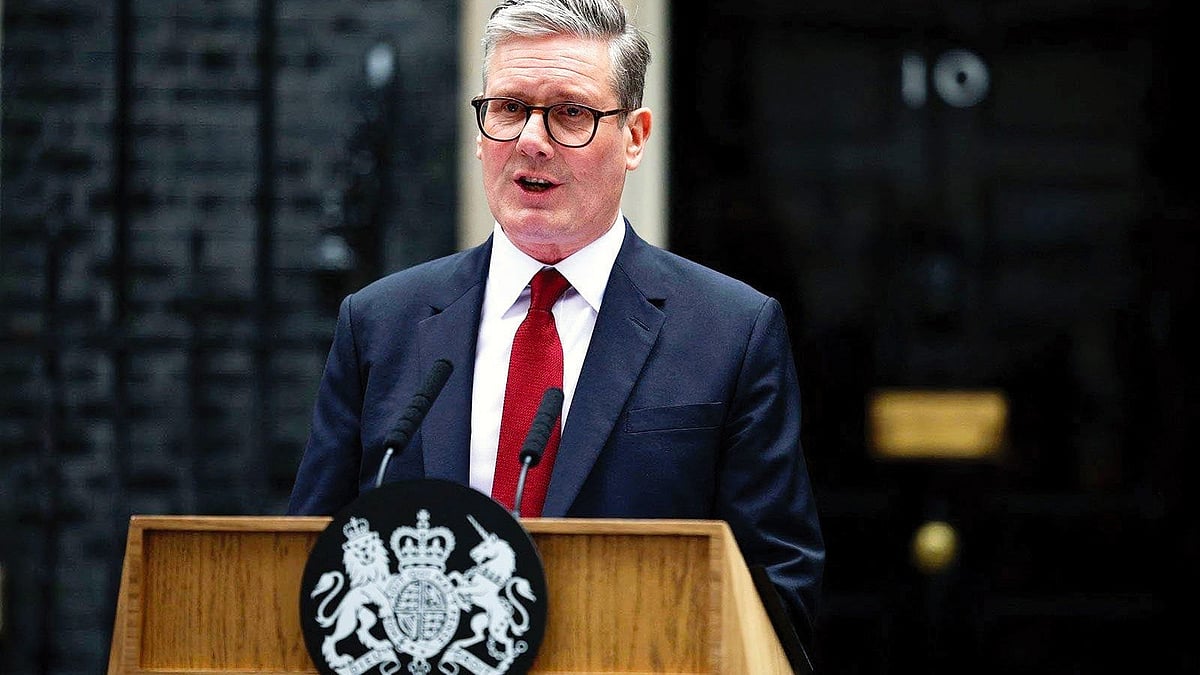
British Prime Minister Keir Starmer pledged on Monday to remain in office as disclosures about links between the former UK ambassador to Washington and Jeffrey Epstein escalated into a serious challenge for his government, now 19 months into its term.
Starmer's standing within the Labour Party has been shaken by the fallout from the release of files tied to Epstein — an individual Starmer never encountered and whose criminal conduct has not drawn him into wrongdoing.
Nonetheless, some members of the centre-left party have urged him to step aside over his decision to appoint Peter Mandelson to the prominent diplomatic role in 2024 despite Mandelson’s association with the disgraced financier. Anas Sarwar, who heads Labour in Scotland, echoed that position on Monday, arguing that “there have been too many mistakes” and insisting that “the leadership in Downing Street has to change”.
The turmoil has already prompted the resignations of Starmer’s chief of staff and communications chief within days of one another. Starmer, however, made clear he intends to stay. "Every fight I have ever been in, I've won," he told Labour lawmakers gathered in Parliament. "I'm not prepared to walk away from my mandate and my responsibility to my country.”
After Sarwar’s remarks, several senior figures — including names mentioned as possible rivals — voiced their backing. Deputy Prime Minister David Lammy wrote on X: "We should let nothing distract us from our mission to change Britain and we support the prime minister in doing that."
Foreign secretary Yvette Cooper said: "At this crucial time for the world, we need his leadership not just at home but on the global stage." Former deputy prime minister Angela Rayner, seen as a potential successor, stated that Starmer “has my full support”.
Supporters within Labour said Starmer steadied nerves when he addressed dozens of MPs privately on Monday evening. “Of course, there were tough moments,” legislator Chris Curtis said. “But he really brought the room round.”
Starmer dismissed Mandelson last September after emails surfaced indicating he remained on friendly terms with Epstein following the financier’s 2008 conviction for offences involving a minor. Opponents contend the appointment should never have been made, noting Mandelson’s reputation as a controversial veteran politician whose career has repeatedly been overshadowed by financial or ethical disputes.
Further disclosures in a newly released batch of Epstein-related documents in the United States last week shed additional light on the relationship, intensifying scrutiny of Starmer’s judgment. The prime minister apologised to Epstein’s victims and expressed regret for “having believed Mandelson's lies”.
He also pledged to make public records connected to Mandelson’s appointment, which officials say will demonstrate that Mandelson misrepresented his ties to Epstein. Their release may take weeks, as they must undergo national security screening and checks for overlap with an ongoing police probe.
Authorities are examining whether Mandelson committed misconduct in public office after documents suggested he shared sensitive government information with Epstein roughly fifteen years ago — an offence carrying a possible life sentence.
He has neither been detained nor formally charged, and there are no allegations of sexual misconduct against him.
Morgan McSweeney, Starmer’s chief of staff, resigned on Sunday, accepting blame for recommending Mandelson for the post. He said he “advised the prime minister to make that appointment, and I take full responsibility for that advice”.
Since Starmer became Labour leader in 2020, McSweeney had been regarded as his most influential adviser and a principal strategist behind the party’s landslide general election victory in July 2024. Yet some colleagues faulted him for miscalculations in the period since.
Within Labour, some believe his exit could give Starmer space to restore credibility with party members and voters alike. Senior MP Emily Thornberry described him as a “divisive figure” and said his departure created a chance for renewal. She added that Starmer is “a good leader in that he is strong and clear. I think that he needs to step up a bit more than he has”.
Others contend losing such a close confidant has left the prime minister politically exposed. Conservative leader Kemi Badenoch argued Starmer “has made bad decision after bad decision” and declared that "his position now is untenable”.
Beyond the controversy, Starmer’s administration has faced difficulty fulfilling pledges to boost growth, repair strained public services and reduce living-cost pressures. Although he promised cleaner governance after 14 years of scandal-marked Conservative rule, critics say he has stumbled over reversals and unpopular measures, including welfare changes.
Labour also trails the hard-right Reform UK in opinion surveys, fuelling speculation about leadership unrest even before the Mandelson controversy emerged.
Britain’s parliamentary system allows for a change of prime minister without a general election. Should Starmer be forced out or resign, Labour would hold an internal leadership contest, with the victor automatically assuming the premiership.
The Conservatives themselves cycled through three leaders between the 2019 and 2024 elections — among them Liz Truss, whose tenure lasted only 49 days.
Starmer had campaigned on restoring stability after that turbulent period. Labour MP Clive Efford cautioned detractors to reflect carefully before pushing for upheaval. He warned critics should “be careful what you wish for”.
“I don't think people took to the changes in prime minister when the Tories were in power," he told the BBC. “It didn't do them any good.”
With agency inputs
Join our official telegram channel (@nationalherald) and stay updated with the latest headlines