World
Trump digs in on Iran demands as talks stall over Hormuz, uranium dispute
Administration’s tough rhetoric comes as Washington struggles to secure major concessions from Tehran after months of military and economic pressure
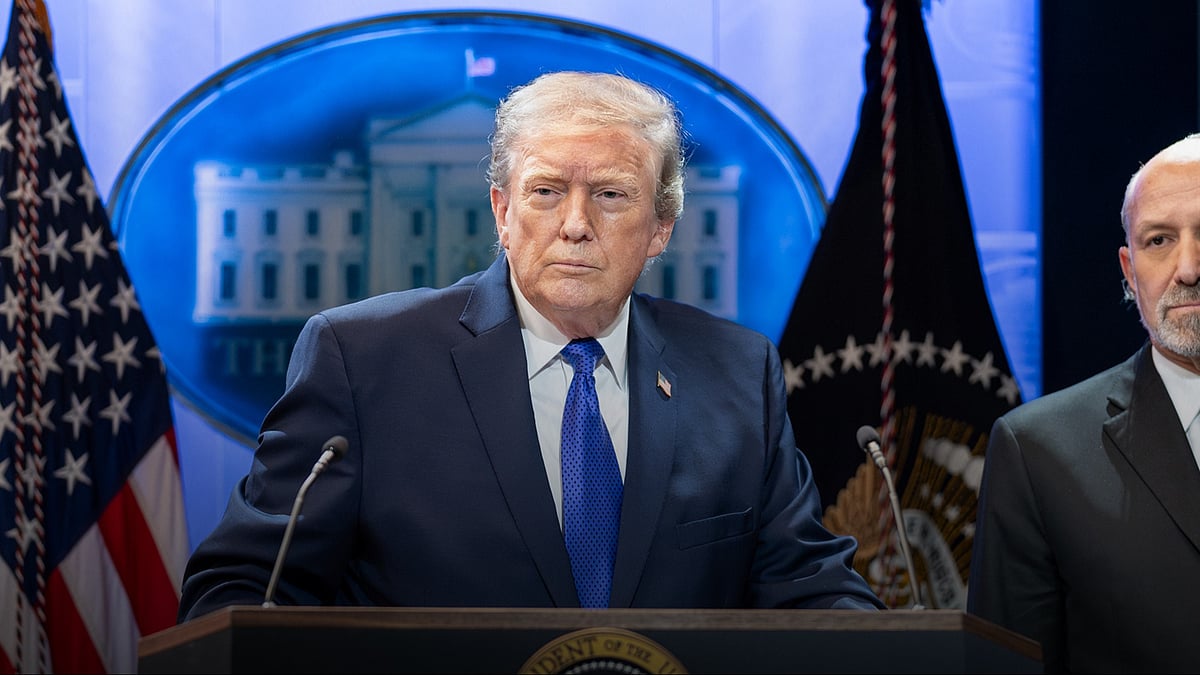
The Donald Trump administration has hardened its public stance on Iran, insisting Tehran meet three sweeping conditions for any agreement even as negotiations appear increasingly deadlocked and Washington faces mounting pressure to secure a diplomatic breakthrough.
Speaking during a White House briefing, treasury secretary Scott Bessent said Iran must surrender its stockpile of highly enriched uranium, abandon any path toward nuclear weapons and restore unrestricted navigation through the Strait of Hormuz before sanctions relief could even be considered.
“The teams have been going back and forth,” Bessent told reporters, while declining to confirm reports that negotiators were discussing a temporary ceasefire extension or an interim arrangement to keep talks alive.
Referring to Trump’s position, Bessent said: “Iran has to turn over their highly enriched uranium. They cannot pursue a nuclear weapon. And the Strait of Hormuz has to have free transit.”
The administration’s tough rhetoric comes despite growing signs that Washington has struggled to extract major concessions from Tehran after months of military escalation and economic pressure.
Iran has rejected key American demands, describing them as unrealistic and politically motivated. Foreign ministry spokesperson Esmail Baghaei recently called the US position “unreasonable” and “one-sided”, while denying reports that Tehran had agreed to hand over its enriched uranium stockpile.
Iranian officials have instead insisted that any agreement must include meaningful sanctions relief and recognition of Iran’s authority and security interests in the Strait of Hormuz — a strategic waterway through which nearly 20 per cent of the world’s oil and gas passes.
Despite repeated questioning, Bessent refused to clarify whether Washington had softened any of its demands to prevent negotiations from collapsing.
“Everything depends on what the president wants to do,” he said. “It’s always a mistake to get out ahead of the president.”
The treasury secretary nevertheless argued that the administration’s “maximum pressure” strategy had forced Iran back to the negotiating table.
“President Trump has done something that no other administration was able to do. We have gotten the Iranians to talk about their nuclear program,” Bessent said.
But critics of the administration note that Tehran continues to retain leverage through its influence over the Strait of Hormuz and its expanding regional alliances, while global energy markets remain vulnerable to further disruption.
Iran has increasingly tightened oversight of shipping traffic through the Strait in recent weeks, with the Islamic Revolutionary Guards Corps (IRGC) reportedly coordinating the passage of commercial vessels through the chokepoint.
Bessent also warned that military options remained under consideration if diplomacy failed.
“President Trump always prefers a peace deal,” he said. “If President Trump doesn’t think he can get a peace deal, then kinetic is back.”
The remarks underscore the fragile state of negotiations, with neither side showing signs of backing down and fears growing that the standoff could trigger a deeper regional and global energy crisis.
With IANS inputs
Join our official telegram channel (@nationalherald) and stay updated with the latest headlines