World
Pakistan ranked world’s most polluted country in 2025 report
PM2.5 levels far exceed WHO limits as global air quality shows mixed progress
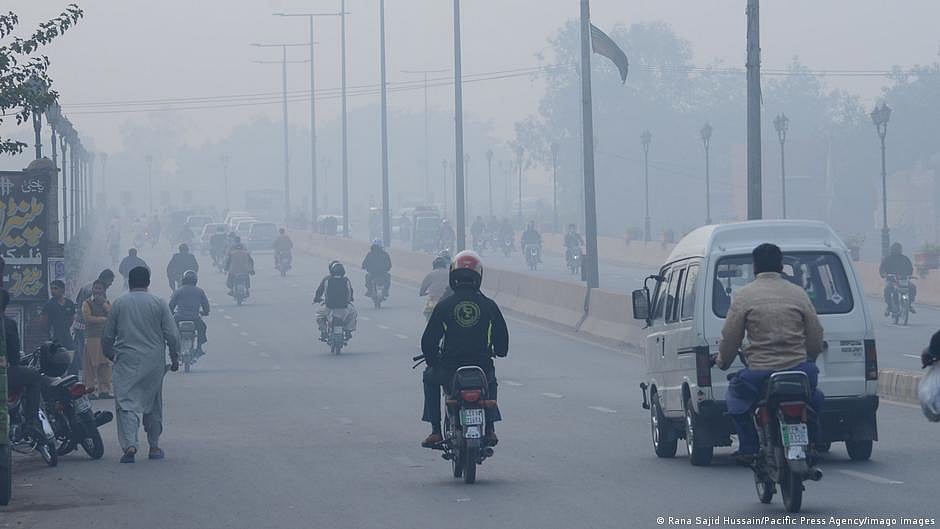
Pakistan has been identified as the most polluted country in the world in 2025, with dangerous levels of fine particulate matter far exceeding global health guidelines, according to a new report.
The annual study by Swiss air quality monitoring firm IQAir found that concentrations of PM2.5 — tiny particles capable of penetrating deep into the lungs — were up to 13 times higher than the safe limits set by the World Health Organization.
The report highlighted that only 13 countries and territories managed to maintain average PM2.5 levels within the WHO’s recommended threshold of 5 micrograms per cubic metre in 2025, an improvement from seven the previous year. However, the vast majority — 130 out of 143 monitored nations — failed to meet the guideline.
Following Pakistan, Bangladesh and Tajikistan ranked as the second and third most polluted countries, respectively. Chad, which topped the list in 2024, slipped to fourth place this year.
Globally, just 14 per cent of cities met the WHO’s air quality standards in 2025, underscoring the scale of the challenge. Countries that complied with the guidelines included Australia, Iceland, Estonia and Panama.
The report also pointed to regional improvements in parts of Southeast Asia, where nations such as Laos, Cambodia and Indonesia recorded lower pollution levels, aided by wetter and windier conditions linked to the La Niña weather pattern.
Overall, 75 countries reported a decline in PM2.5 concentrations compared to the previous year, while 54 experienced an increase.
Pakistan had already ranked among the most polluted nations in 2024, with air quality levels consistently exceeding WHO safety thresholds. Major urban centres such as Lahore and Karachi continue to face severe smog episodes, particularly during winter months when a combination of fog and industrial emissions worsens air quality.
Experts warn that the country’s persistent smog crisis poses serious health risks and remains a significant obstacle to long-term environmental improvement efforts.
With IANS inputs
Join our official telegram channel (@nationalherald) and stay updated with the latest headlines