World
Pakistan’s biggest military command overhaul since 1976 puts Munir at the top
Defence Forces of Pakistan Act, 2026 creates Chief of Defence Forces post, with Field Marshal Asim Munir becoming the country’s first CDF while retaining his position as army chief
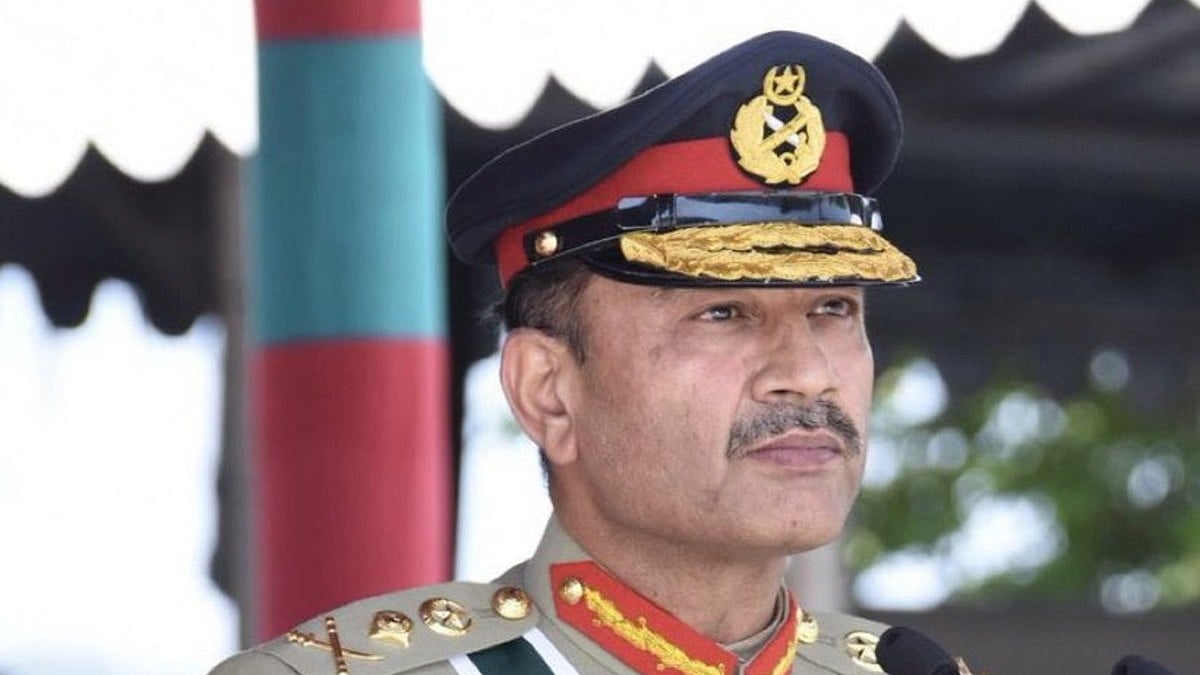
Pakistan’s Parliament has, for the first time, legally placed the country’s army, navy and air force under the command of a single officer, marking the biggest formal restructuring of its military command system since 1976.
The Defence Forces of Pakistan Act, 2026, cleared by the National Assembly in late August, creates the post of Chief of Defence Forces (CDF). Field Marshal Asim Munir has become the first officer to hold the post while continuing as Pakistan’s army chief.
The new position gives the CDF statutory operational command over all three services and places the post directly under the federal government.
The change replaces the Chairman of the Joint Chiefs of Staff Committee, established in 1976 to coordinate between the army, navy and air force. Unlike the new CDF, the chairman did not have legal authority to command the other services.
A retired three-star general based in Rawalpindi told Al Jazeera that the new law creates a clearly defined chain of command from the prime minister to military units on the ground. Retired general Naeem Khalid Lodhi described the CDF as “a real commander”, rather than a coordinating authority.
What changes with the CDF?
Under the previous system, the three service chiefs operated as separate commanders, while the Joint Chiefs chairman primarily coordinated between them.
The new arrangement gives one officer operational authority across land, air and sea forces. Pakistan says the restructuring is intended to improve coordination across conventional forces as well as cyber and drone capabilities, eliminate duplication between the services and speed up decision-making during crises.
Munir’s simultaneous tenure as army chief and CDF also means the country’s army chief now directly commands the broader armed forces structure.
Concerns over army dominance
The restructuring has triggered questions over whether it will make Pakistan’s military command system even more army-centric.
The new law requires the head of the nuclear-forces command post to come from the army, effectively preventing officers from the navy or air force from holding the position.
Analyst Majid Nizami said the change formally closes off a role that the other services could previously have technically occupied.
A retired three-star general described the new structure as “unmistakably army-centric”, while a former strategic planning official warned that career decisions within the navy and air force could increasingly come under an army-led command.
Lodhi, however, defended the arrangement, saying the new CDF has the authority to enforce decisions that the previous coordinating post lacked.
Questions over civilian oversight
The legislation has also raised concerns about the balance between military authority and civilian oversight.
Lawyer and former officer Colonel Inam Raheim said the CDF can now dismiss officers through a letter, without the cabinet summary that was previously required.
Karachi lawyer Abdul Moiz Jaferii argued that the legislation effectively makes one service chief subordinate to another despite the formal equality of the three services. He also questioned whether Pakistan's judicial system has sufficient independence to examine such a dispute.
Supreme Court advocate Hafiz Ahsaan Ahmad Khokhar took a different view, comparing the structure with arrangements in countries such as the UK, Canada and Australia. However, he noted that in those countries equivalent senior defence positions rotate between the services rather than being permanently combined with the army chief's position.
The legislation therefore represents more than a change in military coordination: it establishes, in law, a single operational command over Pakistan’s three armed services, with Munir becoming the first officer to exercise that authority.
Join our official telegram channel (@nationalherald) and stay updated with the latest headlines