World
Iran war: Reopening Strait of Hormuz faces major military, insurance hurdles
Naval experts say escorts may only begin after ceasefire as insurers warn of prohibitive premiums
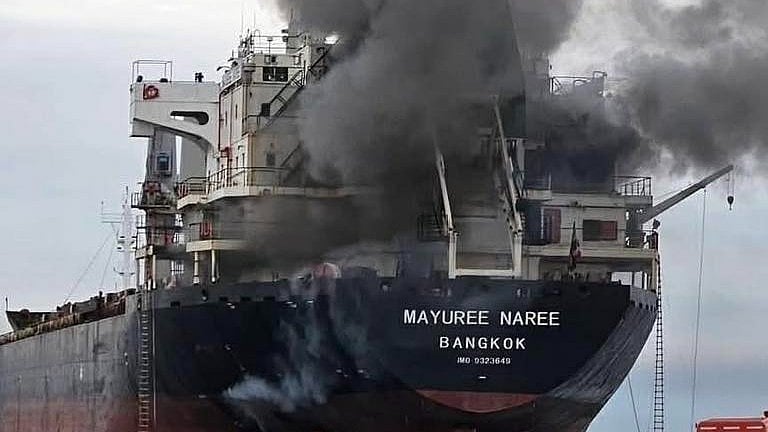
Reopening the Strait of Hormuz, effectively shut by the ongoing Iran war and carrying about one-fifth of global oil trade, faces major military and financial obstacles and may require a ceasefire before naval escorts can safely resume shipping, naval experts said.
French President Emmanuel Macron is leading discussions on a possible international naval escort mechanism to secure commercial shipping once fighting subsides, drawing lessons from multinational efforts to protect vessels in the Red Sea during attacks by Yemen’s Houthi rebels.
Under those operations, French, United States and British naval forces escorted commercial vessels and intercepted incoming threats using ship-mounted machine guns, naval cannons and air defence systems, officials said.
However, experts cautioned that the security environment in the Strait of Hormuz is far more complex and dangerous due to Iran’s extensive coastal missile and naval capabilities.
Experts warn against pre-ceasefire escort operations
Retired French Vice Admiral Pascal Ausseur said escorting merchant vessels through the strait while hostilities continue would be extremely risky because of the narrow shipping lanes and Iran’s ability to strike across the entire waterway.
“It would be suicidal to operate before a ceasefire,” Ausseur said.
According to him, Iran can target shipping across the strait using a combination of anti-ship cruise missiles, longer-range missile systems, armed drones, fast attack boats and naval mines deployed from the coastline.
The Strait of Hormuz’s geography also amplifies vulnerability, with limited manoeuvring space for large tankers and escorting warships.
Retired Vice Admiral Michel Olhagaray, who previously patrolled the region during the Iran-Iraq war in the 1980s, said Iran’s current military capabilities far exceed those used by the Houthis in the Red Sea.
“Before tankers can transit safely, offensive installations must be neutralised,” Olhagaray said, adding that such operations would require continuous surveillance and detailed intelligence.
He said even escorted convoys would remain exposed if missile launch sites and drone infrastructure along Iran’s coast remain operational.
Red Sea operations offer limited precedent
Western navies have recently gained experience protecting commercial shipping during the Red Sea crisis.
During escort operations there, the French Navy frigate Alsace successfully intercepted three ballistic missiles launched by Houthi forces in 2024, according to French defence officials.
Crew members aboard escort vessels often faced repeated missile and drone threats during those missions, forcing extended periods of high alert and limited rest.
Experts said the Red Sea experience demonstrated that naval escorts can reduce risks to shipping but cannot eliminate them completely, especially when adversaries possess advanced missile systems.
They added that escort operations require coordination between multiple navies, robust air defence capabilities and real-time intelligence sharing.
Insurance costs threaten commercial viability
Beyond the military risks, shipping companies are also facing soaring insurance premiums that could discourage vessels from entering the strait even if escorts are provided.
France’s transport minister said insurance premiums for vessels operating in the region have already reached “insane levels”.
Ausseur said commercial operators would avoid the route if insurance costs exceed potential profits.
“If insurance costs prevent profit, shipowners will simply avoid the area,” he said.
According to maritime experts, insurers typically lower premiums only after sustained naval protection and clear security guarantees are established.
Naval escort missions in previous conflicts have helped stabilise insurance markets by demonstrating that shipping lanes are actively protected.
India faces potential energy price impact
The disruption could also have significant consequences for major energy importers including India.
Industry estimates suggest India imports roughly 40 per cent of its crude oil through the Strait of Hormuz.
Officials and analysts said prolonged disruption could raise petrol prices in India by around Rs 5 per litre while aviation turbine fuel (ATF) costs could rise by about 25 per cent, potentially affecting airline operations.
Energy planners may also prioritise domestic gas distribution to essential sectors such as LPG and CNG supplies, while Oil and Natural Gas Corporation (ONGC) may attempt to maximise domestic output, officials said.
Strategic chokepoint for global energy trade
The Strait of Hormuz, located between Iran and Oman, is about 33 kilometres wide at its narrowest point and remains one of the world’s most critical maritime chokepoints.
According to industry data, roughly 21 per cent of global oil shipments and about 25 per cent of global liquefied natural gas (LNG) trade pass through the strait.
The waterway was effectively closed after Iran announced restrictions following United States and Israeli strikes on Iranian nuclear facilities, according to shipping reports.
About 150 oil tankers are currently waiting outside the strait for safe passage, maritime tracking data indicates.
France has proposed a multinational naval escort framework that could begin once hostilities subside, but insurers and shipping companies are expected to wait for credible security guarantees before resuming normal operations, experts said.
Join our official telegram channel (@nationalherald) and stay updated with the latest headlines