World
Russia, China, France veto UNSC resolution to reopen Strait of Hormuz
'No' by key Security Council members stall military intervention amid Middle East tensions and Iran’s blockade of a vital global energy route
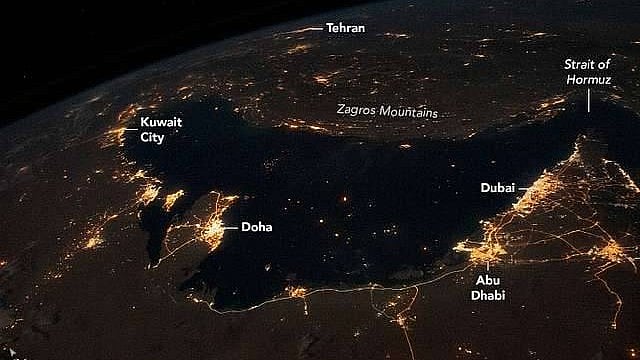
Arab nations, led by Bahrain, seeking UN Security Council authorisation for military intervention to reopen the Strait of Hormuz have faced a major setback as Russia, China and France vetoed the proposed resolution.
The strategic Strait of Hormuz—through which approximately 20 per cent of the world’s oil and gas supplies transit—was closed by Iran on 28 February 2026 amid escalating conflict with the United States and Israel. Its closure has severely disrupted global energy markets, causing soaring costs for oil, shipping, and insurance. Qatar and other Gulf nations have been forced to halt production, resulting in estimated annual losses of $20 billion.
Bahrain’s draft resolution aimed to empower member states and multinational naval forces to use "all necessary means"—including military force—to ensure uninterrupted maritime traffic. However, Russia, China, and France, all permanent UN Security Council members, opposed the resolution’s language authorising military action.
French President Emmanuel Macron described the military option as “unrealistic”, warning it could escalate threats posed by Iran’s Revolutionary Guards, who wield significant ballistic missile capabilities along the Gulf coast. Despite weeks of closed-door negotiations and limited amendments, the Council remains deadlocked, making a diplomatic consensus unlikely in the near term.
Since closing the Strait, Iran has launched thousands of retaliatory attacks targeting US bases and infrastructure across Gulf states, resulting in at least 18 civilian deaths. Bahrain’s Foreign Minister Abdullatif bin Rashid Al Zayani condemned these as “aggressive” and “premeditated” attacks deliberately aimed at civilian infrastructure. Iran has also signalled its intent to continue monitoring vessels transiting the Strait.
The conflict has strained relations between Iran and its Gulf neighbours, disrupting previous mediation efforts by Oman and Qatar. Instead, Pakistan, Turkey and Egypt have assumed more active roles in seeking de-escalation.
Abdulaziz Sager, chairman of the Saudi Arabia-based Gulf Research Center, emphasised that any ceasefire would need to address Iran's missile strike capabilities and control over the strait. He noted unambiguously, “What has happened cannot be forgotten.”
With the UNSC resolution stalled, the future of the Strait of Hormuz remains uncertain, prolonging regional instability and the global energy supply crisis.
Join our official telegram channel (@nationalherald) and stay updated with the latest headlines