World
US administration partially removes tariffs on four Latin American countries
US will remove tariffs on textiles and apparel from Guatemala and El Salvador, providing a welcome relief to industries and consumers alike
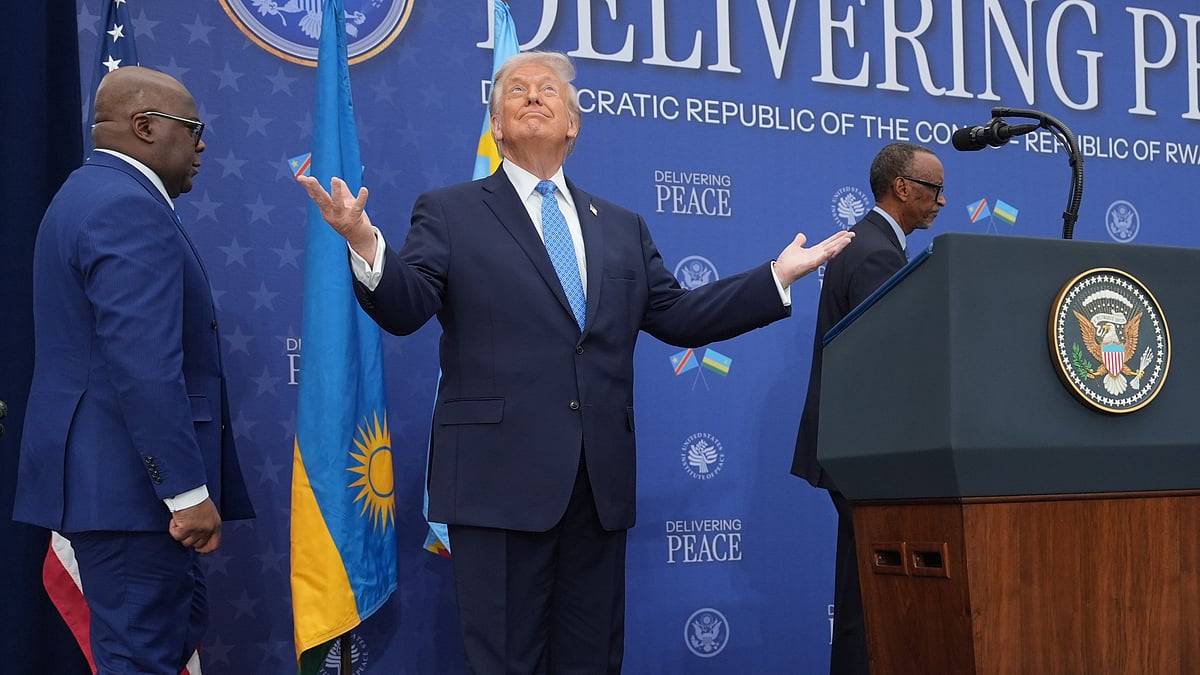
In a significant diplomatic and economic overture, the United States administration on Thursday unveiled that it has reached the frameworks of bilateral trade agreements with Argentina, Guatemala, El Salvador, and Ecuador, signaling a fresh chapter of commerce and cooperation across the Americas.
Under these agreements, Washington will lift reciprocal tariffs on select goods that cannot be naturally produced, grown, or mined within the United States, while the four partner nations have pledged to open their markets and collaborate on multiple fronts. Notably, the US will also remove tariffs on textiles and apparel from Guatemala and El Salvador, providing a welcome relief to industries and consumers alike.
Argentina, in turn, has agreed to grant preferential market access for a wide array of American exports — spanning medicines, chemicals, machinery, information technology products, medical devices, motor vehicles, and an extensive selection of agricultural produce.
Yet, the United States will retain a 10 per cent tariff on most goods from Argentina, Guatemala, and El Salvador, and a 15 per cent tariff on the majority of Ecuadorian goods, according to senior officials briefing the press. The White House anticipates finalising the agreements in the coming weeks, setting the stage for a new era of trans-American trade.
The move comes as a welcome balm to the US economy, which has felt the sting of inflationary pressures in recent months. Earlier this year, reciprocal tariffs had contributed to rising costs, with the consumer price index climbing 3 per cent year-on-year in September. Analysts expect that the lowering or removal of tariffs on commodities such as bananas, coffee, and cocoa could help ease these pressures, offering some respite to American households.
Across the southern hemisphere, the International Monetary Fund has cast a cautious eye on Argentina’s economic horizon. The IMF recently trimmed its 2025 GDP growth forecast to 4.5 per cent, down from the 5.5 per cent projected earlier in the year, and predicts a further moderation to 4 per cent in 2026.
Meanwhile, inflationary pressures are expected to remain formidable, with Argentina’s 2025 inflation projected at 41.3 per cent, before easing to 16.4 per cent in 2026. These projections mirror the World Bank’s recent outlook, which lowered its forecast for Argentina’s 2025 GDP growth to 4.6 per cent.
Together, the new trade frameworks and economic forecasts paint a nuanced picture of the hemisphere’s intertwined destinies — a dance of tariffs, markets, and macroeconomic tides, shaping the path of commerce, growth, and stability for nations on both sides of the equator.
With IANS inputs
Join our official telegram channel (@nationalherald) and stay updated with the latest headlines