World
US launches phase two of Gaza peace plan, announces technocratic rule
The move marks the first explicit US-backed effort to remove both Hamas and Palestinian authority from governing the territory
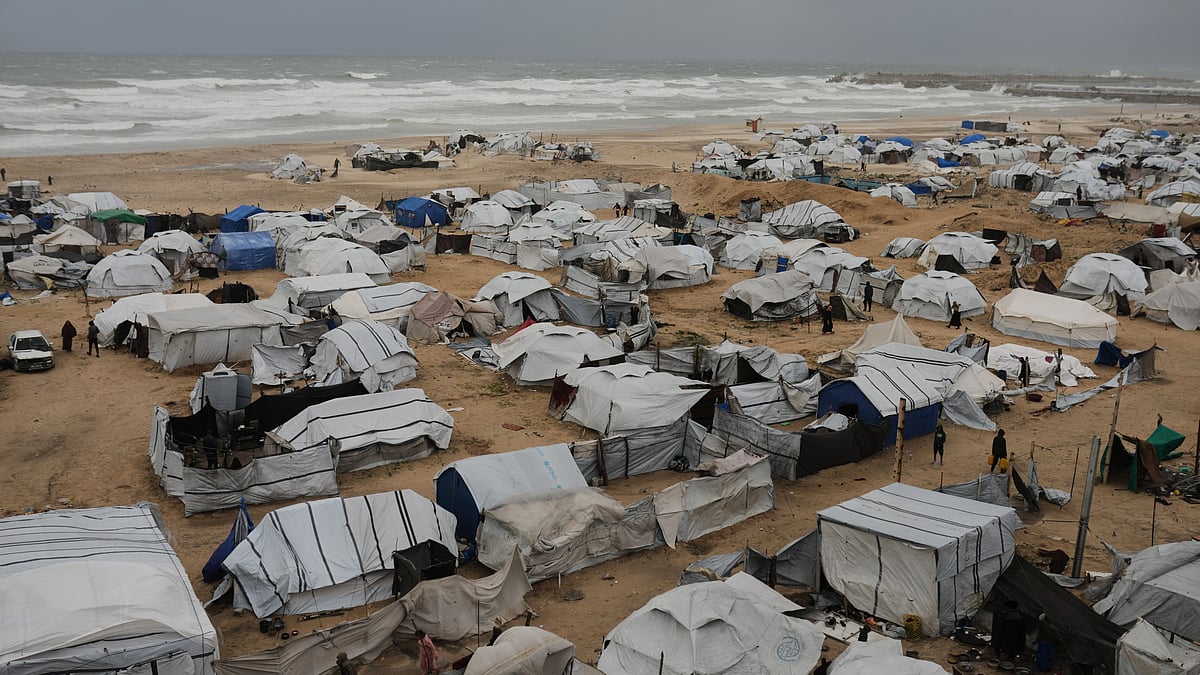
The United States has formally ushered Gaza into a new post-war political phase, approving a technocratic interim administration and launching the second phase of President Donald Trump’s plan to end the conflict. The move marks the first explicit US-backed effort to remove both Hamas and the Palestinian authority from governing the territory.
Phase two establishes a transitional Palestinian technocratic body — the National Committee for the Administration of Gaza (NCAG) — and shifts the focus from managing a ceasefire to demilitarisation, governance, and reconstruction, according to two senior US administration officials.
“Today, on behalf of President Trump, we are announcing the launch of Phase Two of the President’s 20-Point Plan to End the Gaza Conflict,” US special envoy for peace missions Steve Witkoff said in a public statement. “This phase moves from ceasefire to demilitarisation, technocratic governance, and reconstruction.”
The officials said the NCAG was formed following consultations with regional mediators and Palestinian factions and is designed to operate as a non-political, service-focused authority. Its mandate is to oversee rebuilding efforts and improve daily life in Gaza.
They described the development as the first time in years that Gaza will be governed by neither Hamas nor the Palestinian Authority.
The decision to advance to phase two was taken even as some hostage-related issues remain unresolved. All living hostages have been returned, and the remains of 27 of the 28 deceased hostages have been recovered. Efforts are continuing to locate the final remains while maintaining the ceasefire, an official said.
Witkoff said the United States expects Hamas to meet its remaining obligations under the agreement, including the return of the final deceased hostage. “Failure to do so will bring serious consequences,” he warned.
Senior officials acknowledged widespread scepticism over whether Hamas would fully disarm, noting that the group has spent years building extensive military infrastructure. Nevertheless, they stressed that dismantling terror capabilities is essential for Gaza’s future.
Reconstruction, they said, cannot proceed if the territory risks sliding back into conflict. Removing heavy weapons and dismantling militant infrastructure are central objectives aimed at breaking Gaza’s recurring cycles of war and creating conditions for sustained rebuilding and improved living standards.
Officials also pointed to what they described as significant humanitarian gains during phase one of the plan. More than 53,000 aid trucks entered Gaza following the ceasefire, delivering over two million pallets of goods. Vaccination campaigns reached tens of thousands of children, and substantial amounts of rubble were cleared.
Witkoff highlighted the role of regional mediators in a social media post, saying Washington was “deeply grateful to Egypt, Turkey, and Qatar for their indispensable mediation efforts that made all progress to date possible.”
US officials said these countries would continue to play a central role as the plan moves into its next phase.
With IANS inputs
Join our official telegram channel (@nationalherald) and stay updated with the latest headlines