World
US Navy embarrasses India by sinking ‘unarmed’ Iranian warship
Sinking of IRIS Dena hours after leaving Indian waters is a blow to New Delhi’s regional credibility, says Sushant Singh
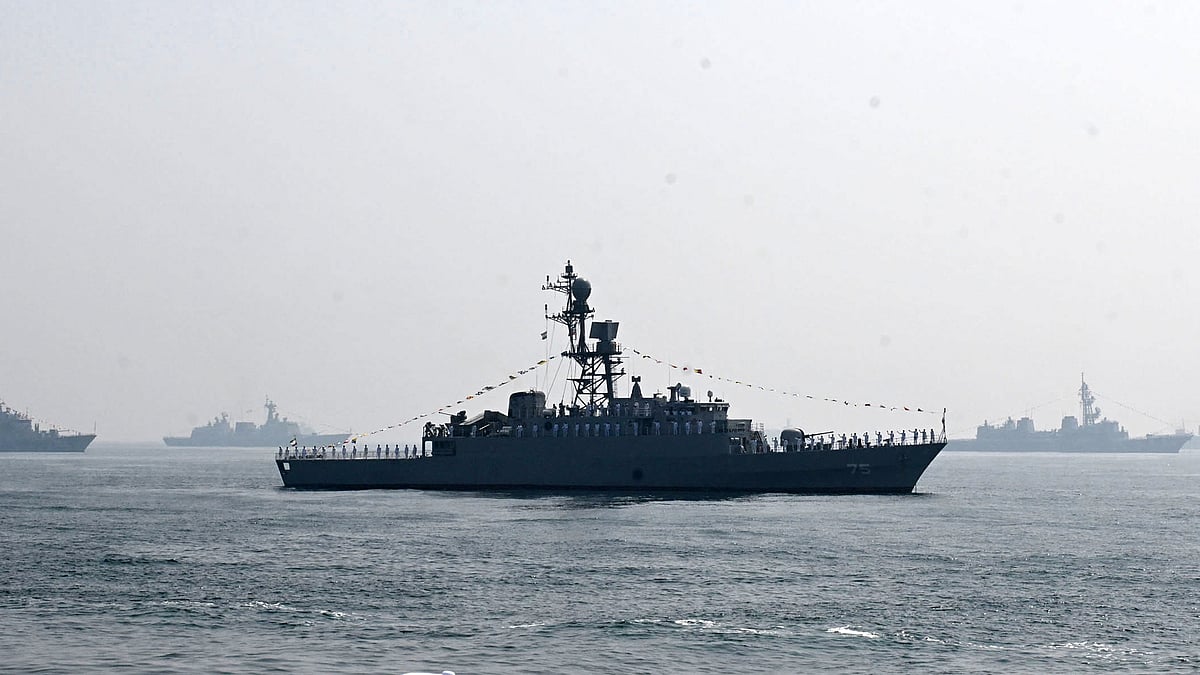
No word of condolence or condemnation from India over the US Navy’s act of sinking the Iranian ship IRIS Dena in the Indian Ocean has diminished India’s neutrality and added to its diplomatic isolation and embarrassment, say experts. The unprovoked attack thousands of kilometres away from the conflict zone — firing torpedoes without warning and without giving the sailors an opportunity to launch lifeboats and escape — has also set a dangerous precedent. No ship is now safe anywhere.
Admiral Arun Prakash (retd), a former chief of the Indian Navy, said on TV that the sinking of the Iranian warship was a senseless and inflammatory act. It was bound to spread alarm across the high seas and disrupt global seaborne commerce. “India must convey our displeasure to the US… you have brought maritime warfare to our borders without informing us,” he said, clearly outraged that a nuclear submarine was lurking so close to the Indian coastline, apparently without any information being shared with the Indian Navy.
The sinking of IRIS Dena just hours after it left Indian waters is a massive blow to New Delhi’s regional credibility, said strategic affairs analyst Sushant Singh. “In all likelihood, the Trump administration bypassed the Modi government entirely, launching a lethal submarine strike to expand the war zone without prior notice,” he added. The Iranian ship had just participated in MILAN 2026, the international fleet review exercise at Visakhapatnam, at the invitation of the Indian Navy.
Former foreign secretary Kanwal Sibal, known to be generally supportive of the Modi government, pointed out: “The MILAN biennial exercise aims to foster mutual understanding, trust and professional interaction among navies to promote a free, open, inclusive and rules-based maritime order. The purpose is to promote peace and stability in the maritime space. The Iranian frigate was hosted by the Indian Navy. The US submarine was obviously monitoring the exercise and torpedoed the frigate near Sri Lanka while it was sailing back to Iran… the spirit of the MILAN exercise has been violated by this US action… all this is not helpful.”
Strategic affairs analyst Brahma Chellaney posted on X: “By sinking a vessel returning from an Indian-hosted multilateral exercise, Washington effectively turned India’s maritime neighbourhood into a war zone, raising uncomfortable questions about India’s authority in its own backyard. In diplomatic terms, the strike violated the unwritten code of naval hospitality. Attacking a ship immediately after it leaves a host’s waters is widely seen as a slight to that host. The message to participating navies is stark: attending India’s exercises may not guarantee safety once they sail away.”
“The decent thing — though not legally obligatory — would have been to notify India and Iran that the IRNS Dena could be targeted while sailing home from Visakhapatnam. Then its captain may have chosen to shelter in a neutral port,” pointed out Praveen Swami, contributing editor to The Print. Both Chellaney and Swami acknowledge that international waters guarantee freedom of navigation, not immunity from attack during wartime. But the laws of war — under the Geneva Conventions — impose a clear obligation: once a ship is sinking, the attacking party must, as far as military circumstances permit, search for survivors. The US submarine instead departed the area, leaving the rescue to the Sri Lankan Navy. It remains unclear whether the Indian Navy mounted any rescue effort.
Observers have also been quick to debunk the argument that India bears no responsibility since the ship was sunk beyond India’s territorial waters. “The Iranian ship was a guest of the Indian Navy and it should not matter if it is attacked just beyond your boundary,” said a scathing comment on social media.
Others claimed that this is not the first time the US Navy has taken unilateral action that embarrassed India. In 2021, the US Navy conducted a military exercise in the vicinity of Lakshadweep, critics noted. The United States has not ratified the United Nations Convention on the Law of the Sea (UNCLOS), whereas India has. UNCLOS requires the prior consent of the state in whose exclusive economic zone military exercises are undertaken. Critics argue that the US Navy flouted both UNCLOS and Indian law and was allowed to get away with it.
Join our official telegram channel (@nationalherald) and stay updated with the latest headlines