


Drop in Congo's Ebola case count offers hope, but outbreak remains serious
Lower figures reflect improved testing rather than reduced transmission; contact tracing and insecurity continue to hamper response efforts
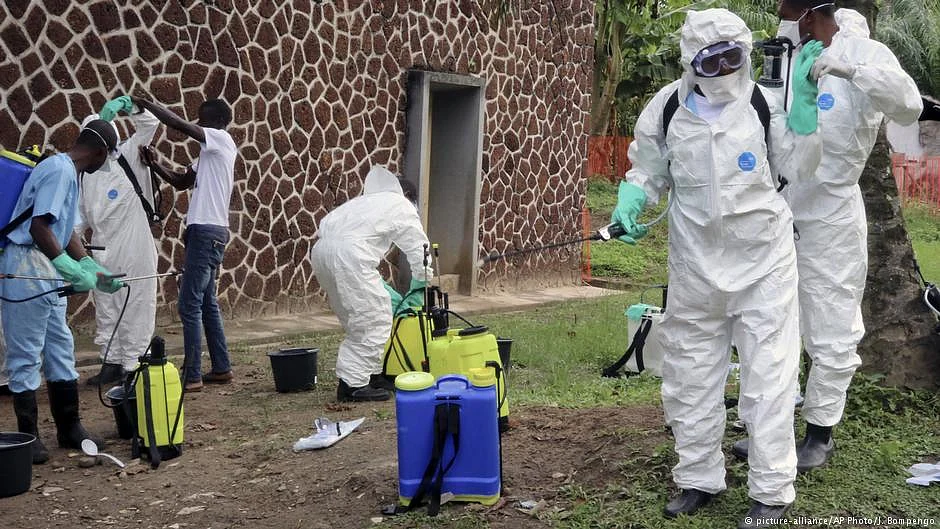


A sharp decline in the official number of Ebola cases reported in the Democratic Republic of Congo (DR Congo) has raised hopes that the outbreak may be coming under control, but health experts caution that the situation remains serious.
Authorities had previously reported more than 1,000 suspected cases and nearly 250 suspected deaths linked to the outbreak. The latest figures show around 380 confirmed cases and 60 deaths in DR Congo, along with 15 confirmed cases and one death in neighbouring Uganda.
However, the reduction largely reflects improved laboratory testing rather than a sudden slowdown in transmission.
Many suspected cases were later ruled out after testing showed patients were suffering from other illnesses, including malaria, which is widespread in DR Congo.
World Health Organization (WHO) Director-General Tedros Adhanom Ghebreyesus said response teams were beginning to catch up after the outbreak gained a significant early foothold.
Contact tracing challenge
Health officials remain particularly concerned about contact tracing, one of the most important tools for containing Ebola outbreaks.
According to the WHO, only around 45 per cent of people who have been in direct contact with confirmed Ebola patients are currently being monitored.
The organisation says at least 90 per cent of contacts need to be traced and followed up to effectively control the spread of the virus.
Efforts have been complicated by insecurity in eastern DR Congo, where armed groups operate across large areas and make access difficult for health workers.
Authorities are also grappling with mistrust among some communities.
This week, an Ebola burial team was reportedly attacked in South Kivu province, forcing responders to abandon a coffin. Such incidents raise fears of further transmission, as traditional funeral practices often involve direct contact with the bodies of the deceased.
Ebola spreads through contact with infected bodily fluids.
Rare strain, no approved vaccine
The current outbreak is caused by the Bundibugyo strain of Ebola, a relatively rare variant that has only been recorded twice before.
Unlike some other forms of the virus, there is currently no approved vaccine or proven treatment specifically targeting this strain, although research efforts are underway.
The outbreak is concentrated in three provinces in eastern DR Congo, a vast and often remote region affected by conflict and poor infrastructure.
Despite concerns, Tedros said he does not expect the virus to spread globally on the scale of Covid-19 because Ebola is not airborne.
The WHO currently assesses the risk as very high within DR Congo, high across the wider region and low at the global level.
The US Centers for Disease Control and Prevention (CDC) has warned that without strong public health interventions, the outbreak could potentially rival the scale of the 2014-16 West Africa epidemic.
The United States has announced an additional USD 38 million in assistance for Ebola response efforts, taking its direct support for the outbreak to more than USD 200 million.
Join our official telegram channel (@nationalherald) and stay updated with the latest headlines