World
US to impose steep tariffs on generic medicine imports from August 2028
Trump says tariff structure is designed to encourage companies to establish manufacturing plants and invest in production facilities within US
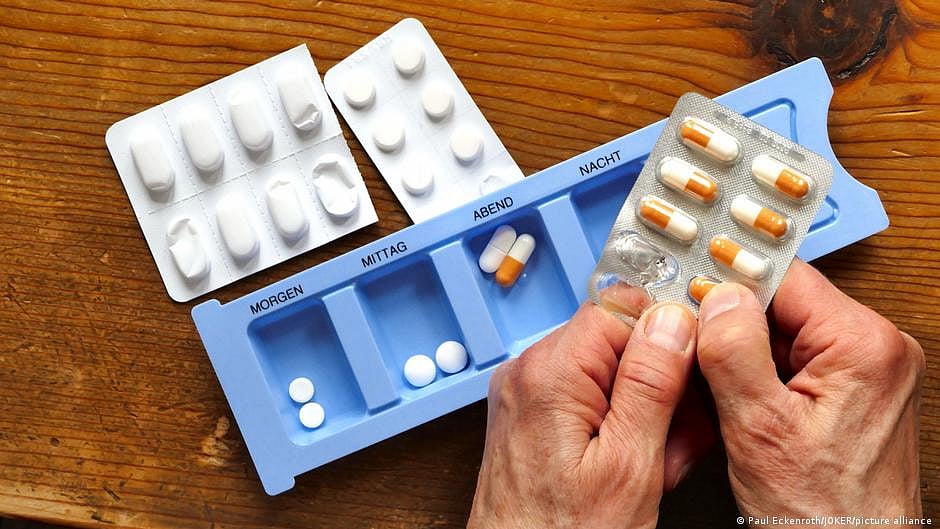
US President Donald Trump on Wednesday unveiled plans for steep tariffs on imported generic medicines from August 2028, saying the move was aimed at bringing pharmaceutical manufacturing back to American shores.
The move, which could cast a shadow over India’s thriving generic drug exports, comes as the country remains the largest supplier of generic medicines to the US — a market that has long been a cornerstone of India’s pharmaceutical success story.
In a post on Truth Social, Trump said the US would maintain a zero tariff on imported generic drugs for two years from 1 August 2026, before imposing a 100 per cent tariff for the following year and raising it further to 200 per cent thereafter.
Calling the policy a push to “reshore” pharmaceutical production, Trump said the tariff structure was designed to encourage companies to establish manufacturing plants and invest in production facilities within the US.
“The policy is aimed at protecting the people of the United States,” Trump said, adding that existing rules for patented, branded and innovative drugs would remain unchanged.
India, often hailed as the “pharmacy of the world”, could face significant challenges from the proposed measures. The country exported pharmaceuticals worth $9.7 billion to the US in 2025, accounting for nearly 38 per cent of its total global pharma exports of $25.8 billion, according to the Global Trade Research Initiative.
Indian generic medicines — widely relied upon for treating ailments ranging from hypertension and diabetes to cancer, infectious diseases and mental health conditions — have played a crucial role in keeping healthcare costs affordable worldwide.
The proposed tariff regime now raises questions over the future of one of India’s most successful export sectors and the delicate balance between affordable medicines and reshoring ambitions in the US.
With PTI inputs
Join our official telegram channel (@nationalherald) and stay updated with the latest headlines