Nation
Bengal SIR: 97 pc of tribunal appeals still pending, ECI tells Supreme Court
More than 38 lakh appeals filed, but just 1.02 lakh disposed of as SC considers pleas for more tribunals and greater disclosure
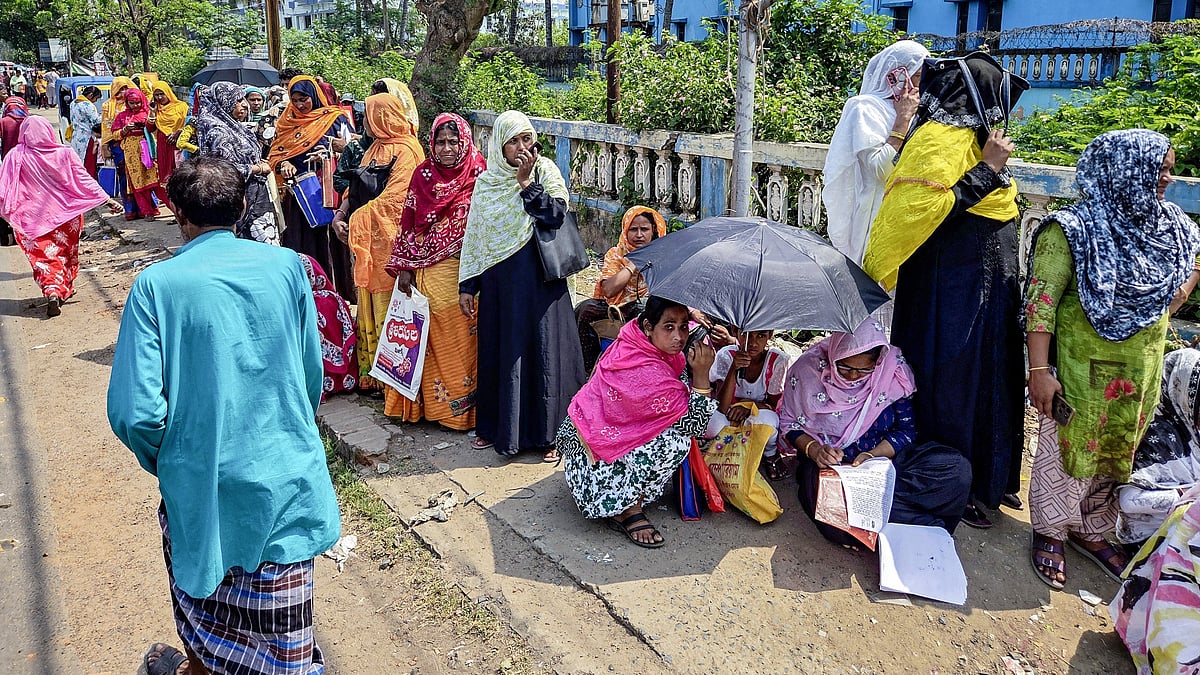
The Supreme Court of India is due to take up petitions related to the Special Intensive Revision (SIR) of electoral rolls in West Bengal on Tuesday, 22 September. The exclusionary nature of the exercise, the urgency of setting up more tribunals to expedite hearings and the lack of information on petitions rejected by the tribunals are likely to come up during the hearing.
One of the petitioners, Prasenjit Bose of the Congress, has sought more tribunals and greater disclosure from the Election Commission of India (ECI).
Two affidavits filed by the ECI on 16 September show that 97 per cent of appeals filed before the appellate tribunals are awaiting disposal. One of the affidavits states that of the 38,20,683 appeals filed before the appellate tribunals, only 1,02,231 — roughly 2.68 per cent — have been disposed of, while 37,18,452 remain pending.
The two affidavits also confirm that the acceptance rate for Form 6 — meant to register ‘new’ voters in the state — has been 20 per cent but the acceptance rate for Form 7 — for deletion of voters — has been 90 per cent
In the second affidavit, the ECI has stated that 19 tribunals have decided a little over 1.26 lakh of the 38.31 lakh appeals filed before them.
ECI data showed that from December 2025, when the SIR draft roll was published, until 7 August, a total of 34.13 lakh Form 6 applications were filed. Of these, 4.86 lakh remained unprocessed, 7.26 lakh enrolment applications were rejected and 14,079 were accepted.
At the same time, the ECI data showed that 6.39 lakh Form 7 applications were filed. Of these, 14,506 were rejected and 3,355 were accepted.
At the last hearing, petitioners, citing RTI information, told the Supreme Court that more than 80 per cent of the appeals had been filed by third parties challenging the inclusion of voters in the rolls, while appeals filed by excluded voters accounted for only about 20 per cent.
The affidavit states that 8,649 appeals seeking restoration of names were rejected, but does not give the reasons. It is not clear from the affidavit whether these applicants were found to be foreign nationals, whether they were served notices informing them that their names would be deleted from the electoral roll, or whether they were given an opportunity to be heard.
It is also unclear how many of those rejected were deemed to be 'foreigners' and referred to the home ministry for necessary action.
The apex court had indicated that additional tribunals could be set up if required, and the ECI has said in its affidavit that it would have no objection to more tribunals. It has also agreed with the petitioners' suggestion to allow video conferencing at the tribunals.
"The software developed by the Commission is location-agnostic, which enables judicial officers presiding over the appellate tribunals to conduct hearings and undertake other proceedings from anywhere, including from their respective places of residence," the ECI said.
The petitioners have also suggested that appellate tribunals in Kolkata and Howrah be directed to expedite disposal of appeals by prioritising them in view of the local body elections due later this year.
The Supreme Court bench headed by CJI Surya Kant had orally said that it could not fix timelines for decisions by the appellate tribunals, but agreed to direct the ECI to file an affidavit providing details on four aspects:
The number of appeals pending before the tribunals.
A break-up of appeals filed by excluded persons and those challenging inclusions.
The number of appeals disposed of so far, including the nature of relief sought.
The number of appeals allowed and the consequential steps being taken to update the electoral rolls pursuant to such orders.
The district-wise data on disposal by the appellate tribunals is given below.
Source: Live Law
Join our official telegram channel (@nationalherald) and stay updated with the latest headlines