Nation
Delhi air remains ‘poor’; unseasonal heat adds to discomfort
Several stations across the city report AQI in the upper ‘poor’ range, with some slipping into the ‘very poor’ zone
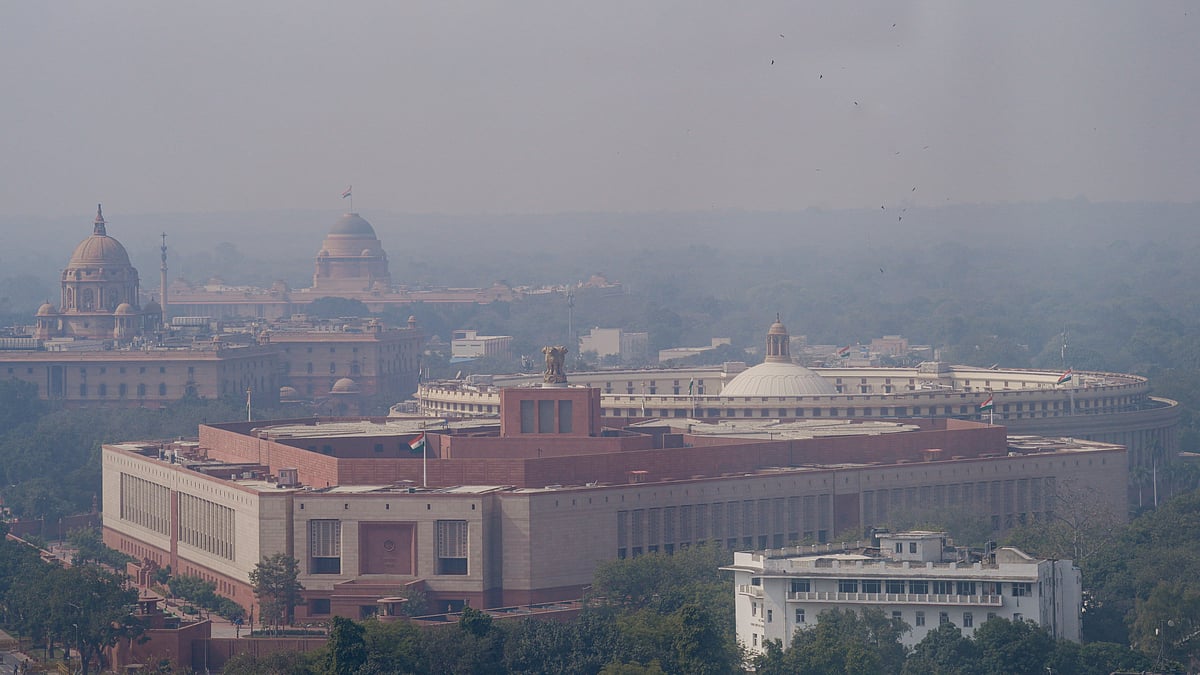
A haze of pollution continued to hang over the national capital on Tuesday morning, with the overall Air Quality Index (AQI) recorded at 259 — firmly within the ‘poor’ category — according to data released by the Central Pollution Control Board (CPCB).
Across the city, several monitoring stations reported readings hovering in the upper reaches of the ‘poor’ band, with some areas slipping into the more alarming ‘very poor’ zone. Wazirpur topped the charts at 362, followed by Sonia Vihar (343), Rohini (340), Ashok Vihar (337), Jahangirpuri (331) and Mundka (328). Anand Vihar, often a pollution hotspot, registered 319, while Bawana recorded 321 and Chandni Chowk 302.
Other prominent locations showed mixed readings: DTU stood at 271, Jawaharlal Nehru Stadium at 267, Narela at 289, and Pusa at 257. IIT Delhi offered relatively cleaner air at 176, placing it in the ‘moderate’ category, though still far from ideal.
The air had shown little improvement on Monday either, when the citywide AQI stood at 218 at 8 am. Of the monitoring stations, 24 reported ‘poor’ air quality and 12 recorded ‘moderate’ levels, while two dipped into the ‘very poor’ bracket — a stark reminder that pollution levels remain unevenly distributed, with certain pockets bearing the brunt more severely.
Adding to residents’ discomfort, Delhi experienced an unusually warm February day on Monday, with the mercury climbing to 31.6 degrees Celsius — a full seven degrees above the seasonal average. It marked the earliest crossing of the 30-degree threshold in five years. The last time temperatures breached that mark earlier in the month was in 2021, when 30.4 degrees Celsius was recorded on 11 February.
The rise has been swift and steady. From 25.4 degrees Celsius on 12 February, the maximum temperature climbed day by day — 26.3 degrees on 13 February, 27 degrees on 14 February, and 28.5 degrees on 15 February — before surging past 30 degrees.
Forecasts suggest Tuesday will remain warm, with bright sunshine and clear skies keeping daytime temperatures between 29 and 31 degrees Celsius. A measure of relief may arrive midweek, as a fresh western disturbance is expected to bring very light rainfall accompanied by gusty winds of up to 40 kmph.
The AQI scale, which ranges from 0 to 500, categorises air quality based on potential health impact. Readings between 201 and 300 fall under ‘poor’, posing breathing discomfort with prolonged exposure, while levels from 301 to 400 are deemed ‘very poor’, increasing the risk of respiratory illness even among healthy individuals.
For now, Delhi finds itself caught in a familiar February paradox — skies bright and sunlit, yet the air heavy and unkind.
With IANS inputs
Join our official telegram channel (@nationalherald) and stay updated with the latest headlines