Nation
How to Combine Bathroom Wall Tile Design with Anti-Skid Tiles
Anti-skid tiles for bathrooms have a textured surface that improves grip when wet
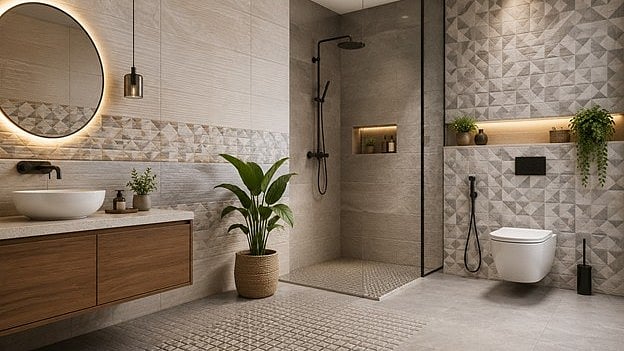
A bathroom should look good and feel safe to walk in. That sounds obvious, but when you start choosing tiles, those two goals often pull in opposite directions. The wall tiles you love for their colour and texture rarely come with a matching floor tile that has anti-skid properties. So you end up with a gorgeous wall and a floor that feels like it belongs in a different room. Ankit, a software engineer in Bengaluru setting up his first 3BHK apartment, spent weeks shortlisting patterned wall tiles for his master bathroom. When his contractor asked about the floor, Ankit realised he had not thought about grip at all. Getting both right meant rethinking his approach.
What Makes A Tile Anti-Skid?
Before pairing wall and floor tiles, it helps to know what anti-skid actually means. Anti-skid tiles for bathrooms have a textured surface that improves grip when wet. This texture is measured by a coefficient of friction (COF) rating. A COF above 0.6 is generally considered safe for wet areas.
The texture can be subtle. Modern anti-skid tiles do not look or feel like sandpaper. Many have a fine matte finish, a lightly brushed surface, or a stone-like grain that provides grip without looking rough. Homeowners often avoid anti-skid tiles, thinking they will ruin the look. They will not, if chosen well.
Starting With The Floor, Not The Wall
The smartest approach is to select your anti-skid floor tile first, then choose the bathroom wall tiles design to complement it. Floors have functional constraints that walls do not. Walls can be glossy, smooth, patterned or textured. Floors need to be safe underfoot.
Once you have a floor tile locked in, building the wall design becomes easier. You are working within a defined palette and finish, and you can layer in visual interest through the wall without worrying about safety.
Pairing Strategies That Work
Choosing the right tile combination creates a balanced and cohesive bathroom. These pairing strategies can help you achieve a practical yet stylish design.
Tone-on-tone pairing
Pick wall tiles in a lighter shade of your floor colour. If the anti-skid tiles for bathroom are a warm grey with a stone texture, choose a smooth, lighter grey for the walls. The tonal connection creates flow, and the difference in finish adds visual interest.
Contrast pairing
Use a neutral anti-skid floor and introduce colour or a pattern on the walls. A plain beige anti-skid floor with a geometric-patterned wall tile in blue or green makes the walls a focal point while the floor stays grounded and safe.
Accent zone pairing
Keep both floor and main wall tiles neutral, and add a single accent strip or feature wall behind the vanity or in the shower niche. This limits the patterned area so the bathroom feels considered rather than chaotic.
Ankit went with a matt charcoal anti-skid floor paired with white subway-style wall tiles and a single row of dark patterned accent tiles near the ceiling. The floor felt secure, the walls felt bright, and the accent row added personality without overwhelming the room.
Common Mistakes When Combining Wall And Floor Tiles
Some tile combinations can affect both the appearance and safety of your bathroom. Avoid these common mistakes for a more balanced result.
• Picking glossy floor tiles for wet zones: Glossy tiles look striking but are dangerous in bathrooms. Save them for walls or dry areas.
• Ignoring the shower floor: The shower area needs the highest-grip tile in the bathroom. A mosaic or smaller-format anti-skid tile works well here because grout lines add friction.
• Clashing textures: A rough stone-look floor with a high-gloss decorative wall can feel disjointed. Aim for a natural progression in texture, not a sharp contrast.
• Choosing dark anti-skid tiles in small bathrooms: Dark textured floors absorb light. In a compact bathroom, lighter anti-skid tiles keep the space feeling open.
Keeping these points in mind will help you create a bathroom that is safe, practical, and visually cohesive.
How To Check Anti-Skid Quality In The Showroom
Ask for the tile’s COF rating. If the showroom cannot provide it, do a simple test: wet the tile surface and press your thumb across it. A good anti-skid tile will resist your thumb sliding. Not a lab test, but it gives you a practical sense of grip.
Reputable tile suppliers test and rate their products for wet-area use. For example, brands like Simpolo Tiles & Bathware offer anti-skid options with Posh Surface technology designed specifically for bathroom floors, with coordinated wall tile designs in the same colour families.
Conclusion
Ankit’s bathroom came together once he stopped treating the floor and walls as separate decisions. A good bathroom wall tile design works with the floor, not despite it. Start with safety, build the look around it, and keep the palette connected. The result is a bathroom that feels beautiful and practical every day.
Join our official telegram channel (@nationalherald) and stay updated with the latest headlines