Nation
Premium petrol, bulk diesel hiked as crude surges; hidden inflation risk builds
Industrial fuel spike likely to raise costs across sectors even as retail rates stay frozen
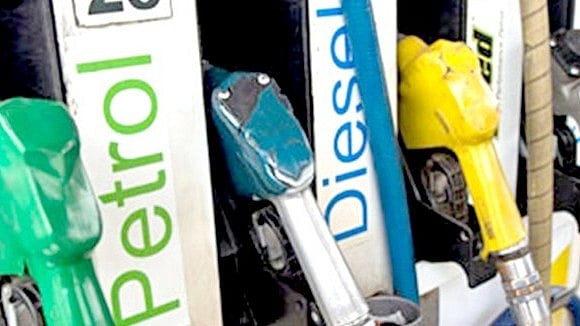
Prices of premium petrol and bulk diesel were raised on Friday in response to a surge in global crude oil rates, but the impact is expected to extend beyond industry and filter into everyday costs over time.
In Delhi, 95-octane petrol now costs Rs 101.89 per litre, up from Rs 99.89. Bulk diesel — used by industries, transporters and large consumers — saw a sharp increase from Rs 87.67 to Rs 109.59 per litre, a jump of nearly Rs 22.
While retail prices of regular petrol and diesel remain unchanged, the steep hike in bulk diesel is likely to push up freight and logistics costs, which in turn could translate into higher prices for goods ranging from food to construction materials. The effect, though indirect, typically feeds into inflation with a lag.
The revisions come as global crude prices spiked amid escalating tensions in West Asia, briefly touching around $119 per barrel before easing to about $108. Concerns over supply disruptions through the Strait of Hormuz — a key route for India’s oil imports — have added to market volatility.
Despite this, pump prices for standard fuels have remained frozen since April 2022. In Delhi, petrol continues at Rs 94.77 per litre and diesel at Rs 87.67. Oil marketing companies (OMCs) have been absorbing fluctuations, cushioning retail consumers from immediate price shocks.
This strategy, however, has created a widening gap between retail and bulk fuel pricing. By raising industrial diesel rates while holding pump prices steady, the burden is effectively shifted to businesses — and eventually, consumers through higher input costs.
The consequences are already visible in sectors dependent on bulk fuel, including transport, logistics and manufacturing. Higher diesel costs can raise freight rates, increase production expenses and, over time, contribute to broader price pressures in the economy.
At the household level, the strain is also evident in cooking fuel. LPG prices remain elevated — often above Rs 900 per cylinder in many cities — and supply disruptions have been reported in several states. Delays in refills and affordability concerns have led to a drop in usage among lower-income households, with some reverting to traditional fuels.
This dual dynamic — stable pump prices but rising costs elsewhere — reflects a broader balancing act. While the government has avoided politically sensitive hikes in petrol and diesel, the economic impact is being redistributed through industrial fuel pricing and household energy stress.
With India importing nearly 88 per cent of its crude oil and about half of its natural gas, sustained global volatility could make this approach increasingly difficult to maintain without either price corrections or targeted relief.
With PTI inputs
Join our official telegram channel (@nationalherald) and stay updated with the latest headlines