Nation
India marks Eid-ul-Fitr with prayers and celebration
The festive mood has been more restrained in parts of West Asia, where ongoing conflict has cast a shadow over celebrations
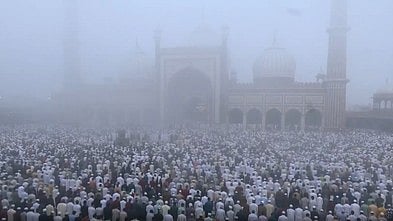
India joined Muslims around the world in celebrating Eid-ul-Fitr on Saturday, marking the end of the holy month of Ramadan with prayers, festive meals and family gatherings.
The festival, often described as the “festival of breaking the fast”, falls on the first day of Shawwal in the Islamic lunar calendar and is determined by the sighting of the crescent moon. As a result, its observance can vary slightly across regions.
In cities across India, the day began with special congregational prayers held shortly after sunrise. Worshippers gathered in mosques and open grounds, offering thanks and seeking blessings following a month of fasting, prayer and spiritual reflection. Unlike daily prayers, the Eid prayer includes additional recitations and is performed without the traditional call to prayer.
A key aspect of the observance is charity, with Muslims required to give alms before the prayers to ensure that those less fortunate can also take part in the celebrations. It is also customary to wear new or best attire and to eat something—often dates—before heading out for prayers.
Ramadan, the ninth month of the Islamic calendar, commemorates the revelation of the Quran to Prophet Muhammad and is considered one of the most sacred periods in Islam. During this time, Muslims fast from dawn to dusk, focusing on discipline, devotion and acts of kindness.
Eid-ul-Fitr is one of the two principal festivals in Islam, alongside Eid al-Adha. The occasion is marked by visits to relatives and friends, the exchange of greetings and gifts, and shared meals that bring communities together. Children often receive presents or money, adding to the festive spirit.
In several countries, governments have declared extended public holidays to allow people to celebrate the occasion with family and loved ones.
However, the festive mood has been more restrained in parts of West Asia, where ongoing conflict has cast a shadow over celebrations. Many families in affected areas are observing the day quietly, mindful of the challenges faced by communities impacted by violence.
Historically, Eid-ul-Fitr was established by Prophet Muhammad in 624 CE in Madinah after the completion of the first Ramadan following the Hijra. Beyond its celebratory aspects, the festival carries deep spiritual meaning, emphasising gratitude, compassion and unity.
As the festival is observed worldwide, it continues to serve as a reminder of faith and generosity, even as global circumstances shape how it is celebrated in different regions.
With IANS inputs
Join our official telegram channel (@nationalherald) and stay updated with the latest headlines