Nation
Petrol, diesel prices hiked again, by 87-91 paise per litre
Prices rise thrice in 10 days following Assembly elections, despite repeated assurances on supply and stability
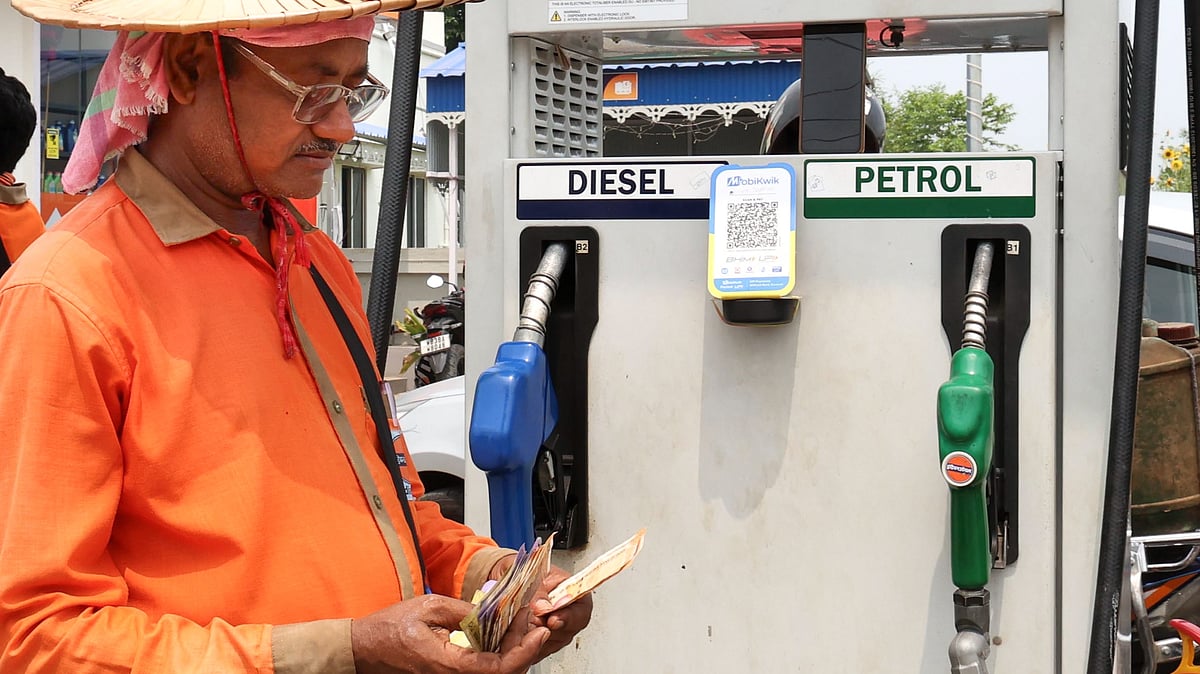
The latest round of fuel price hikes has sharpened questions over whether the government deliberately held back increases during the recent Assembly elections even as it reassured the country that energy supplies remained adequate amid the West Asia conflict.
Petrol and diesel prices were raised again on Saturday, 23 May — the third increase in less than 10 days — taking the cumulative rise since 15 May to nearly Rs 5 per litre.
In Delhi, petrol became dearer by 87 paise, rising from Rs 98.64 to Rs 99.51 per litre, while diesel went up by 91 paise from Rs 91.58 to Rs 92.49.
State-owned oil marketing companies began revising prices on 15 May, citing elevated global energy costs triggered by tensions in West Asia. That day saw a steep Rs 3-per-litre increase, followed by another 90 paise rise on 19 May, and a further hike on Saturday.
The timing has inevitably drawn scrutiny. Through the election period in end-April, the government maintained that India had sufficient fuel supplies and that contingency arrangements were in place to manage disruptions arising from geopolitical instability. Ministers and officials repeatedly projected confidence, stressing stock adequacy and energy security.
Yet the post-election pricing pattern tells a different story. If international pressures were severe enough to justify almost Rs 5 per litre in hikes within days, critics ask why consumers were insulated from those costs during the politically sensitive election period.
The calibrated manner in which oil companies are now “passing on” higher global prices also raises a larger question: were economic realities temporarily deferred to avoid voter backlash?
Fuel prices are not merely an accounting issue. They ripple through the wider economy, influencing transport costs, food inflation and household budgets. Delaying price revisions during elections may offer short-term political relief, but it distorts price signals and undermines public trust.
The government cannot simultaneously claim that supplies are comfortable and markets stable, only to permit a succession of sharp hikes once polling concludes. If global conditions demanded higher prices, candour was owed to the public before the elections, not after them.
The issue is not only the increase itself, but the opacity surrounding its timing.
With PTI inputs
Join our official telegram channel (@nationalherald) and stay updated with the latest headlines