Nation
Sambhal violence: Judge transferred, demoted after ordering case against police
Move raises questions over judicial independence and police accountability in Uttar Pradesh
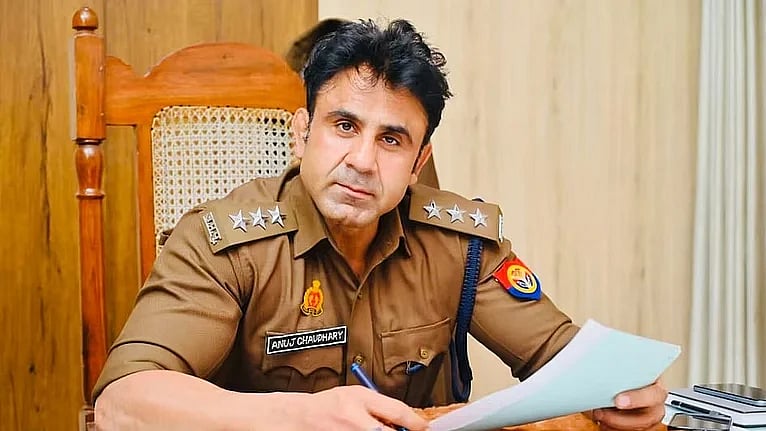
A senior judicial officer in Uttar Pradesh has been transferred and demoted weeks after ordering the registration of a criminal case against several police officers in connection with the Sambhal violence, prompting widespread debate over the timing and implications of the decision.
Chief judicial magistrate Vibhanshu Sudhir, who was posted in Chandausi in Sambhal district, has been moved to Sultanpur. Alongside the transfer, he has been removed from his post as chief judicial magistrate and reassigned as a civil judge (senior division), a step widely viewed as a demotion.
The development follows a significant court order passed by Sudhir while hearing a petition filed by Yaman, the father of Alam, a young man who was injured during the violence in Sambhal. In that order, the judge directed the registration of a case against 15 to 20 police personnel, including additional superintendent of police Anuj Chaudhary and inspector Anuj Tomar, to examine the role of the police during the unrest.
The ruling was seen as a key moment in efforts to establish accountability for the violence. However, it was met with resistance from the local police leadership.
Sambhal’s superintendent of police, Krishna Kumar Bishnoi, publicly stated that the police would not comply with the order and said it would be challenged in the high court.
Following the judge’s transfer and demotion, the case has taken on renewed political and legal significance. While the move has been described by officials as part of a routine administrative reshuffle, critics have questioned both the timing and the decision to downgrade Sudhir’s position so soon after his order against senior police officers.
The episode has brought the Sambhal violence back into sharp focus, with observers closely watching whether the directive to file a case against the police will proceed and how the high court will respond to the challenge.
At the centre of the controversy is a broader debate over the balance between judicial authority, police accountability and administrative power, as well as concerns about the independence of the judiciary when its orders involve powerful state institutions.
Join our official telegram channel (@nationalherald) and stay updated with the latest headlines