Nation
Kerala extends bar hours, faces political and church backlash
Kerala extends bar hours, faces political and church backlash
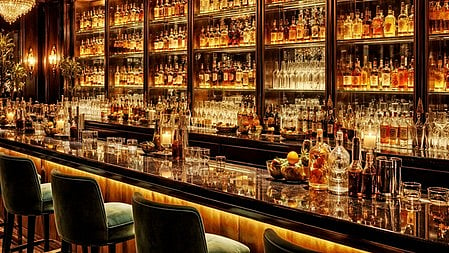
The Kerala government’s decision to lengthen bar operating hours has ignited a political row and drawn strong objections from prominent Christian organisations in the State.
An order issued by the Excise Department permits bars to function from 10 a.m. until midnight, extending the earlier 11 a.m. to 11 p.m. schedule by two hours each day. The move has triggered criticism from Opposition parties, which allege that the decision was taken without detailed Cabinet deliberation or consultation within the ruling Left Democratic Front (LDF).
Officials indicated that the change followed repeated appeals from bar owners’ associations. Over the past five years, industry representatives are said to have submitted multiple requests seeking extended hours, all of which were previously declined. The abrupt approval — coming months before elections — has led critics to suggest that boosting excise revenue, rather than reforming policy, may be the primary objective.
Kerala remains heavily reliant on liquor sales for revenue. As of January 31, 2025, the State had 847 licensed bars in addition to 289 retail outlets run by the Kerala State Beverages Corporation (BEVCO). Excise officials reportedly estimate that longer trading hours could result in a substantial increase in income for the exchequer.
Published: undefined
The controversy follows proposals in the draft liquor policy for 2025–26 to relax dry day restrictions in select tourism zones. Among the suggestions are provisions allowing three-star and higher-category hotels to serve alcohol on dry days during weddings and international conferences, subject to special permissions and fees. There are also indications that bars in certain tourism hubs could be allowed to operate until 3 a.m. during business events.
Church bodies have reacted sharply. The Kerala Catholic Bishops' Council (KCBC), through its Temperance Commission, described the decision as a “lightning-speed” policy shift and called for its immediate withdrawal, warning against what it termed an “excise-pleasing” approach. The Malankara Orthodox Syrian Church has also demanded that the order be revoked, alleging that tourism is being used as a pretext to expand alcohol consumption.
Opposition leaders argue that the timing of the measure has heightened public suspicion and placed the government on the defensive.
The State administration, however, has defended the revision, stating that it seeks to balance economic revival and tourism promotion with regulatory safeguards, while maintaining revenue stability.
With IANS input
Published: undefined
Follow us on: Facebook, Twitter, Google News, Instagram, WhatsApp
Join our official telegram channel (@nationalherald) and stay updated with the latest headlines
Published: undefined