Nation
Laura Fernandez declares victory in Costa Rica presidential race as rival concedes
Right-wing candidate secures clear lead in preliminary count, pledging tough security policies and political change
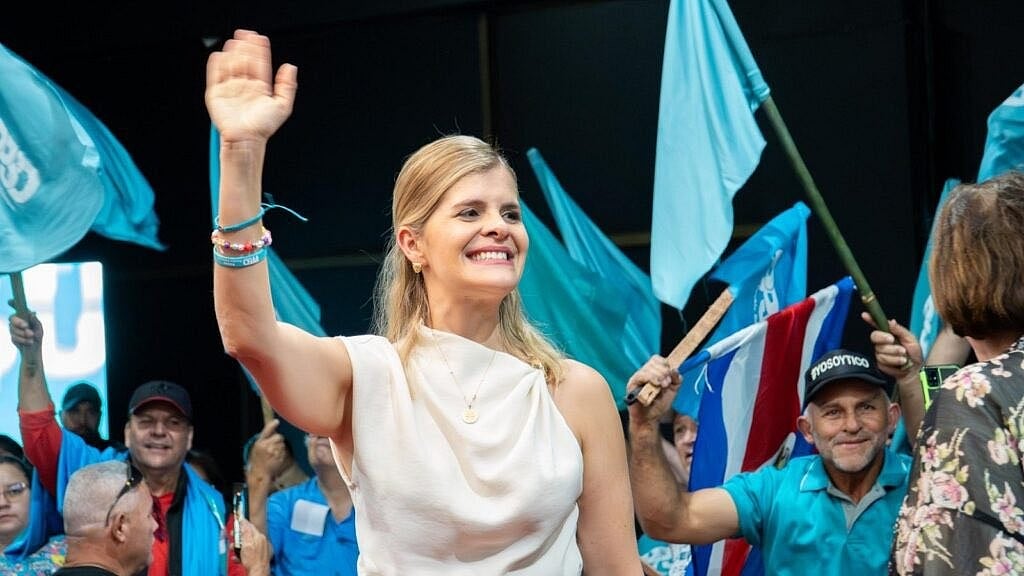
Right-wing candidate Laura Fernandez has declared victory in Costa Rica’s presidential election after early results showed her with a decisive lead, prompting her closest rival to concede defeat.
Speaking to supporters in the early hours of Monday, Fernandez said the country was entering a new political era after electoral authorities reported that she was on course to win outright. Preliminary figures released by the Supreme Electoral Tribunal showed that with 81 per cent of polling stations counted, Fernandez had secured 48.9 per cent of the vote.
Al Jazeera reported that her nearest challenger, economist Alvaro Ramos of the centre-left National Liberation Party, trailed with around 33 per cent and conceded defeat on Sunday night. Claudia Dobles, a progressive architect and former first lady, placed a distant third with just under 5 per cent.
In her victory speech, Fernandez promised what she described as “deep and irreversible change”, telling flag-waving supporters that Costa Rica’s post-1948 political era had run its course.
“It is up to us to build a third republic,” said the 39-year-old politician, vowing to govern with firmness while respecting the rule of law. She said laws that were outdated or obstructed development would be amended or repealed.
Fernandez crossed the 40 per cent threshold required to avoid a second-round run-off, which had been scheduled for 5 April.
She is the chosen successor of outgoing president Rodrigo Chaves and campaigned on continuing his hardline approach to security. During the campaign, she pledged to complete a maximum-security prison project launched by Chaves last year, arguing it would isolate organised crime leaders and curb rising violence.
Fernandez has also advocated mandatory prison labour and tougher sentencing, proposals that have drawn concern from opposition figures and civil society groups.
Security dominated the election campaign, with Costa Rica recording a record number of homicides in 2023. Once regarded as one of the safest and most stable democracies in Central America, the country has seen growing public anxiety over organised crime and gang violence.
Opposition leaders have warned that Fernandez’s tough stance could undermine democratic institutions. Addressing those concerns, she said in her victory speech that her government would remain democratic and would not slide into authoritarianism.
Ramos, in his concession speech, said he would lead a “constructive opposition” while holding the new government to account. “In a democracy, dissent and criticism are not only allowed, they are necessary,” he said.
Voters also elected a new 57-seat National Assembly on Sunday. Fernandez’s Sovereign People’s Party is projected to win around 30 seats, a dramatic increase from its current eight, giving it a majority but falling short of the supermajority required for sweeping constitutional changes.
About 3.7 million Costa Ricans were eligible to vote in the elections, which were closely watched across the region amid broader debates over security, governance and democratic norms.
Join our official telegram channel (@nationalherald) and stay updated with the latest headlines