Nation
Rubio to meet Jaishankar before Ambani-hosted Jamnagar visit
Rubio’s arrival follows deadline for Donald Trump to decide on possible tariff penalties against countries purchasing Russian oil
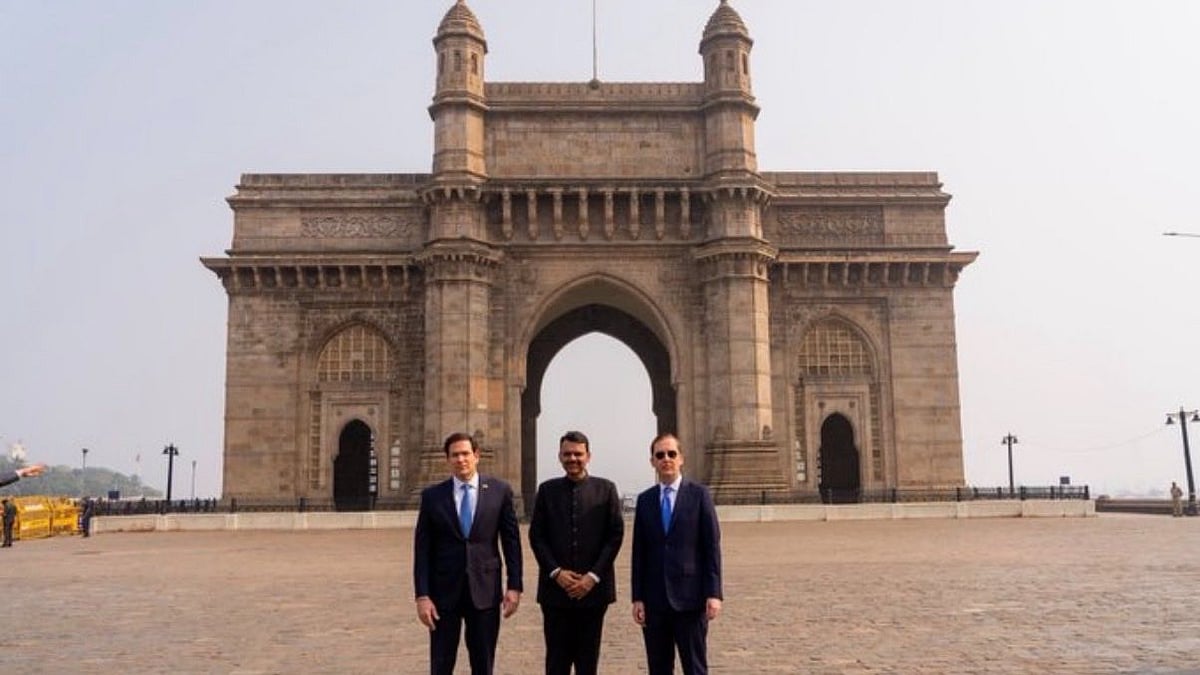
Marco Rubio arrived in Mumbai on Tuesday for a two-day India visit, with talks scheduled with External Affairs Minister S Jaishankar and business leaders
The visit follows a US decision deadline on possible tariffs targeting Russian oil purchases, bringing energy and trade differences into focus
Rubio will travel to Jamnagar on Wednesday to visit Reliance’s refinery and Vantara, in an engagement officials describe as private
US secretary of state Marco Rubio to meet Jaishankar before Ambani-hosted Jamnagar visit, putting energy and corporate ties at the centre of diplomatic engagement.
Rubio arrived in Mumbai on Tuesday for a two-day visit centred on government talks and corporate engagements, as differences over trade and Russian oil purchases test India’s relationship with Washington.
Rubio and his wife, Jeanette Dousdebes Rubio, visited the Gateway of India after their arrival, accompanied by Maharashtra chief minister Devendra Fadnavis.
He is scheduled to meet external affairs minister S. Jaishankar at the Taj Mahal Palace hotel before travelling to Jamnagar on Wednesday to visit Reliance Industries’ energy refinery and the Vantara animal facility.
The Jamnagar programme, hosted by the Ambani family, has been described by officials as a “private visit”. It nevertheless places one of India’s largest corporate groups prominently within a diplomatic trip focused partly on energy cooperation and commercial investment.
Rubio’s arrival follows the deadline for US President Donald Trump to decide on possible tariff penalties against countries purchasing Russian oil, including India. The deadline’s passage does not, by itself, establish what measures Washington will take, but the issue forms a significant backdrop to the talks.
India’s reliance on imported energy has complicated its response to US pressure. Purchases of Russian crude have helped diversify supplies amid disruption in global markets, while exposing New Delhi to recurring friction with Washington.
The proposed use of tariffs against buyers of Russian energy puts India’s pursuit of affordable supplies alongside the demands of a strategic partner seeking closer commercial ties.
Trade negotiations present another unresolved issue. Efforts to conclude a bilateral agreement have stalled over tariffs and market access, even as both governments seek progress in investment, technology and energy.
Jaishankar is also hosting his counterpart from the United Arab Emirates in Mumbai in a separate meeting. The discussions with the two countries will cover bilateral relations, regional developments and the continuing conflicts in West Asia.
Following their talks, Jaishankar and Rubio will attend an event marking the 250th anniversary of American independence. Jaishankar previously attended a US Embassy celebration associated with the anniversary in New Delhi in May.
The Mumbai and Jamnagar itinerary shifts attention from the capital’s usual diplomatic venues to India’s commercial and refining centres.
Reliance’s Jamnagar complex occupies an important position in international oil markets, processing different grades of crude and supplying diesel, aviation fuel and other petroleum products to overseas buyers. Its ability to adjust sourcing and exports has become more consequential as conflict and sanctions disrupt established supply routes.
For Washington, the company offers a substantial private-sector partner as it seeks deeper energy cooperation and investment. For New Delhi, the policy challenge is to ensure that commercial arrangements support domestic energy security and wider economic interests.
A refinery’s export opportunities and overseas investments do not automatically translate into lower fuel costs for Indian consumers. Any agreements emerging from the engagement will therefore need to be assessed against their terms and public benefits, rather than the prominence of the participants.
Rubio’s business outreach also reflects the growing role of large Indian companies in foreign relations. His programme includes interactions with corporate leaders in Mumbai before the Ambani-hosted engagements in Gujarat.
Technology cooperation provides another avenue for discussions. A US National Security Council delegation visited India ahead of Rubio’s arrival to prepare engagements under the TRUST initiative, launched in February 2025.
The initiative covers sectors including semiconductors, artificial intelligence, space and biotechnology, with an emphasis on strengthening supply chains.
Those ambitions offer scope for cooperation despite the trade impasse. Their value for India will depend on the investment secured, access to technology and the domestic capabilities created.
Rubio’s meetings come as both governments attempt to sustain economic engagement without resolving all their differences. The immediate test for the Modi government is whether closer corporate ties can produce broader gains while preserving India’s freedom to make decisions on energy supplies and trade.
With agency inputs
Join our official telegram channel (@nationalherald) and stay updated with the latest headlines