Nation
NCERT’s latest move: Weaving myth, history and gender in Class 9 textbook
The revision in Social Science textbook raises important questions about the right balance between cultural traditions and rigorous historical inquiry
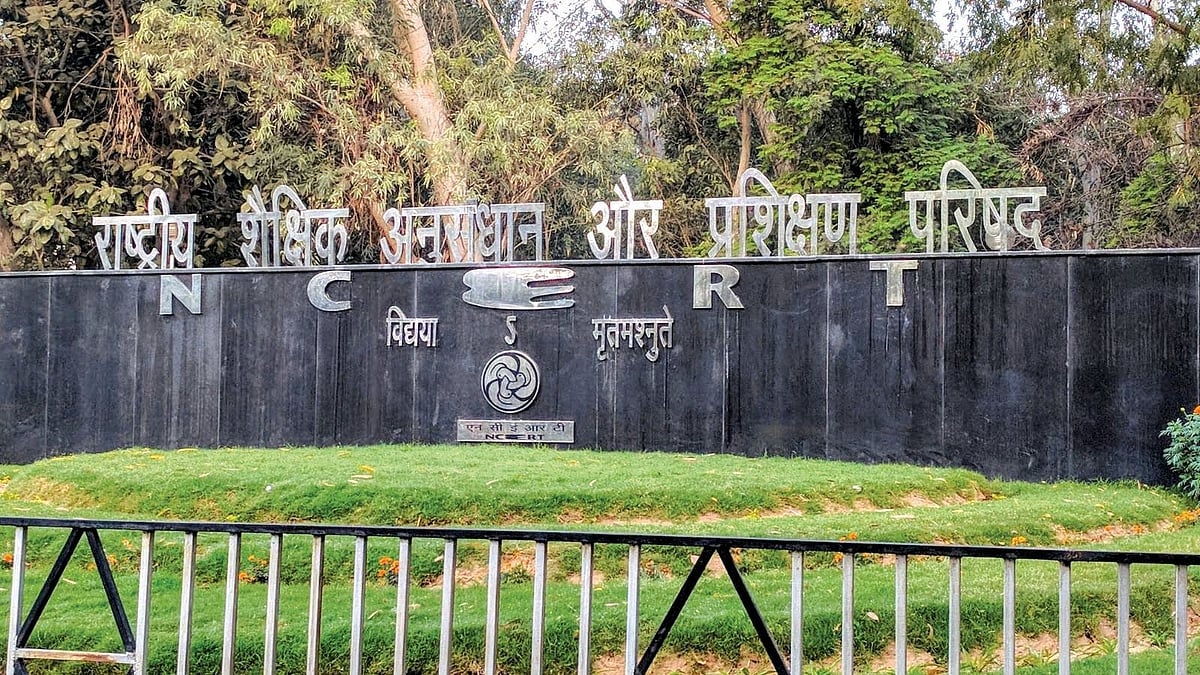
The National Council of Educational Research and Training (NCERT) has unveiled its latest Class 9 Social Science textbook, Understanding Society: India and Beyond-Part 2, marking a notable shift in how Indian history and society are taught in schools. Released six months into the academic session, the book brings ‘fresh’ perspectives by intertwining religious symbolism, especially goddess worship, with royal warfare, while also amplifying the stories of historically overlooked women rulers.
One striking feature of the textbook is its exploration of the long-standing tradition in India of invoking goddesses such as Kali, Durga, Bhavani and other manifestations of Shakti as protectors during wars. The chapter "Resistance and Resilience" highlights legends of kings and princes wielding swords believed to be gifts from goddesses. For example, Annamaraja of Bastar reportedly received his sword from Goddess Manikyadevi (Danteshvari), Kumara Kampana of Vijayanagara is said to have used a goddess-given sword against Sultanate forces in Madurai, and Shivaji traditionally obtained a sword from Goddess Tulja Bhavani.
Such religious symbolism is presented within the context of India's history of invasions—Arab, Turkish, Mughal, and European—and the localised responses spearheaded by rulers and their communities. The textbook documents the narratives of resistance beyond the well-known figures, thereby enriching students' understanding of India’s multifaceted past.
Complementing these themes, the textbook foregrounds women leaders who have ‘often remained in the shadows of mainstream history’. Figures such as Queen Naiki Devi, credited with defeating Muhammad Ghori in 1178, Rani Abbakka Chowta, famed for repelling Portuguese naval forces, and Queen Rudrama Devi, a defiant ruler against the Delhi Sultanate, feature prominently. The inclusion of these stories reflect, rightly or wrongly, NCERT’s continued bid to spotlight women’s leadership, a narrative thread also visible in earlier textbooks featuring Rani Durgavati, Tarabai and Ahilyabai Holkar.
"This social science learning at this (secondary) stage is expected to cultivate analytical and discursive abilities, encourage critical inquiry, promote intercultural understanding, and enable learners to participate with confidence and responsibility in civic and social life," said NCERT chief Dinesh Saklani.
Not surprisingly, this latest bid at ‘dumbing down history’ has invited criticism and scrutiny. Skeptics argue that emphasising divine sanction in warfare risks conflating mythology with fact, potentially complicating students’ ability to critically distinguish between legend and history.
By enriching the curriculum with diverse perspectives—both symbolic and tangible—NCERT, according to Saklani, will deepen social studies learning, cultivating not only knowledge but also critical thinking and inclusive historical awareness.
Join our official telegram channel (@nationalherald) and stay updated with the latest headlines