Nation
Rupee at 90 is ‘new normal’, says senior adviser to PM
Expert warns that steady depreciation is unavoidable as inflation and productivity gaps widen
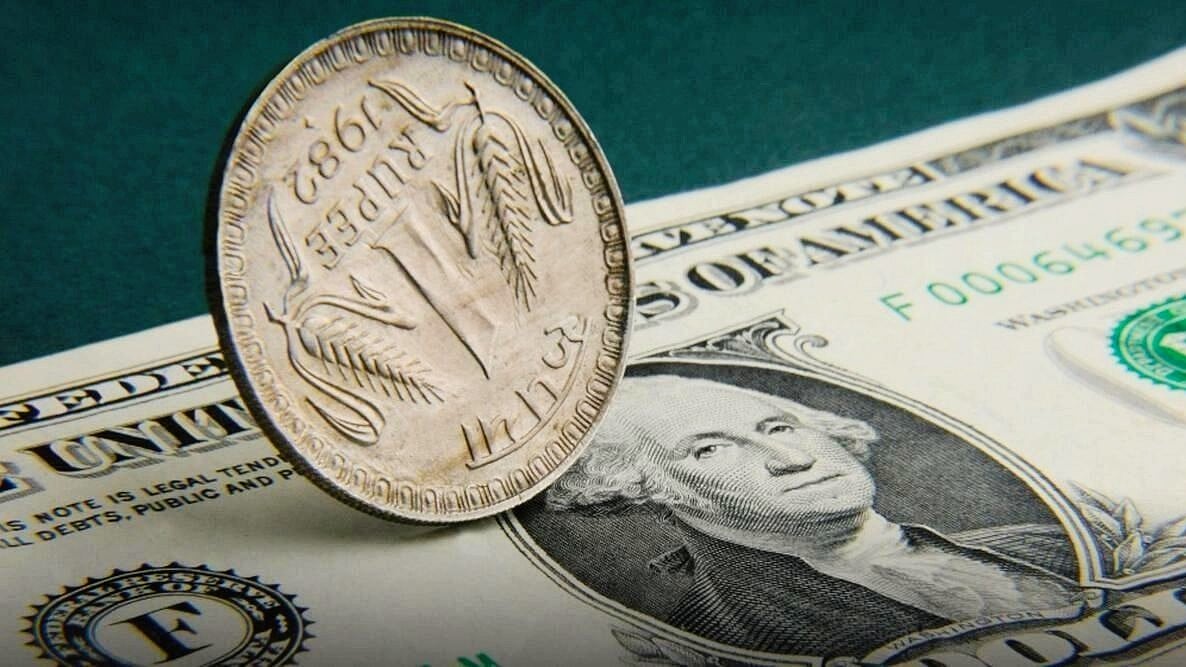
A senior financial-sector veteran has warned that the rupee’s slide past Rs 90 to the US dollar — a record breached on Wednesday, 3 December — should not be treated as an aberration but as the currency’s “new normal”, given India’s relative economic fundamentals.
Nilesh Shah, managing director of Kotak Mahindra Mutual Fund and a part-time member of the Prime Minister’s Economic Advisory Council (EAC-PM), said the rupee is structurally inclined to lose value because India consistently fares worse than its major trading partners on two crucial metrics: inflation and productivity.
“The rupee is destined to weaken,” Shah told reporters, arguing that higher domestic inflation erodes India’s purchasing power faster than that of its peers, while lagging productivity means the country generates less output per unit of labour or capital. Economists note that this combination typically forces a currency to drift downward over time, a trend also seen in other emerging markets.
According to Shah, a 2–3 per cent annual depreciation is “only natural” given these macroeconomic mismatches. While capital inflows and outflows may jolt the exchange rate in the short term — particularly as global investors reposition amid volatile US interest-rate expectations — he insisted that India should not expect any durable appreciation in the currency.
Shah added that a weaker rupee is not merely inevitable but, in certain respects, necessary. With India seeking to boost exports in a global environment marked by sluggish demand and rising protectionism, a gently depreciating currency helps maintain price competitiveness for Indian goods abroad. He pointed out that the real effective exchange rate (REER) — a commonly used gauge of currency misalignment — also indicates room for a further 2–3 per cent fall.
He praised the Reserve Bank of India for maintaining what economists describe as a “managed float” regime: allowing the rupee to be largely market-determined while stepping in only to curb sharp swings. Citing RBI disclosures, Shah claimed the central bank currently holds USD 50–70 billion worth of short rupee forward positions in both non-deliverable forward (NDF) markets and domestic markets, signalling active intervention to smooth volatility rather than defend any particular level.
Ultimately, however, he stressed that “the market will decide the rupee’s direction”. Asked whether Rs 90 per dollar should be treated as India’s new baseline, Shah replied that it should — adding that even the successful conclusion of a long-pending India–US trade pact is unlikely to alter the currency’s trajectory in any meaningful way.
In a separate remark, Shah urged the government to revisit Press Note 3, the 2020 order that imposed tighter scrutiny on inbound investment from countries sharing a land border with India — a move originally framed as a safeguard against opportunistic takeovers during the pandemic.
With India competing for capital at a time when global FDI has become scarcer and more politicised, he argued that New Delhi must re-examine restrictions that may be inhibiting much-needed foreign investment.
With PTI inputs
Join our official telegram channel (@nationalherald) and stay updated with the latest headlines